




How do country families involve kids in real food gardening & cooking?
Cultivating Connection: Kids, Gardens, and Kitchens
In the rhythm of country life, the journey from soil to plate is often a family affair. Far from the grab-and-go convenience of urban centers, rural families frequently embrace a more hands-on approach to food, providing a natural classroom for children to learn about where their meals truly come from. This isn’t just about chores; it’s about fostering responsibility, healthy eating habits, and a deeper connection to nature and sustenance. But how exactly do these families integrate their youngest members into the satisfying cycle of real food gardening and cooking?

Getting Their Hands Dirty: Involving Kids in the Garden
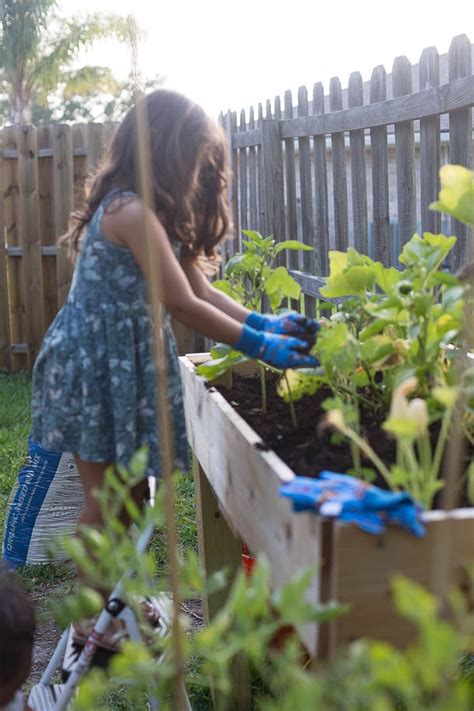
The garden is typically where the journey begins. Country families understand that children are more likely to eat vegetables they’ve helped grow. Involvement can start remarkably young, often with simple, age-appropriate tasks:
- Seed Planting & Watering: Even toddlers can drop seeds into prepared holes or help water plants with a small watering can, experiencing the magic of growth firsthand.
- Their Own Patch: Giving children a small, dedicated section of the garden to plant whatever they choose – be it vibrant marigolds or their favorite cherry tomatoes – instills a sense of ownership and pride.
- Weeding & Pest Patrol: Older children can learn to identify weeds and gently remove them, or help scout for garden pests, understanding the ecosystem dynamics.
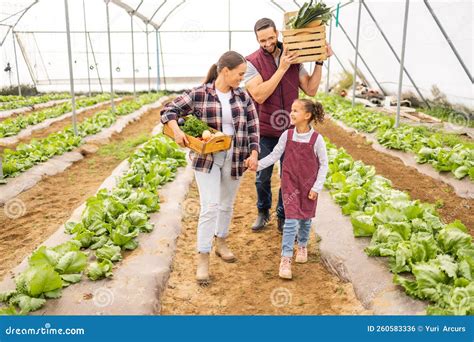
- Harvesting Helpers: The most rewarding part! Kids love picking ripe berries, pulling carrots from the ground, or snapping beans off the vine. It’s tangible proof of their efforts and the freshest snack imaginable.
This hands-on experience teaches patience, the importance of consistent care, and the simple joy of watching something flourish from their efforts. It also provides a foundational understanding of seasons, weather, and the cycle of life.

From Garden to Table: Cooking Together
Once the bounty is harvested, the kitchen becomes the next hub of activity. Involving kids in cooking transforms meal preparation from a parental chore into a family bonding experience and a practical lesson in nutrition and culinary skills.
- Washing & Prepping: Even young children can wash vegetables under supervision, tear lettuce for salads, or snap the ends off beans. As they get older, they can learn safe knife skills with proper guidance and child-friendly tools.
- Mixing & Stirring: Most kids love to mix ingredients for baking, stir pots (when safe), or knead dough. These tasks engage their senses and build confidence.
- Recipe Selection: Empowering children to choose a recipe that utilizes the garden’s harvest gives them a say in family meals and encourages adventurous eating.
- Setting the Table & Serving: Even if they didn’t cook the entire meal, participating in setting the table or serving reinforces their role in the family’s shared experience of food.
Through these activities, children develop fine motor skills, learn about measurements and fractions, and gain a practical understanding of how ingredients combine to create delicious dishes. They also learn about food safety and hygiene.

Benefits Beyond the Plate
The advantages of involving children in gardening and cooking extend far beyond simply having fresh food. Country families instinctively know they are:
- Fostering Healthy Eating Habits: Children are far more likely to try and enjoy foods they’ve grown or helped prepare.
- Teaching Life Skills: Gardening and cooking are fundamental life skills that promote independence and self-sufficiency.
- Encouraging Environmental Awareness: Understanding the effort required to grow food cultivates respect for nature and sustainable practices.
- Building Family Bonds: These activities provide meaningful time together, creating lasting memories and strengthening family relationships.
- Boosting Confidence & Responsibility: Successfully nurturing a plant or creating a dish gives children a sense of accomplishment.

Tips for Seamless Integration
For families looking to adopt this lifestyle, a few tips can make the process smoother:
- Start Small & Simple: Don’t try to grow everything or cook complex meals at once. Begin with easy-to-grow vegetables or simple recipes.
- Make it Fun, Not a Chore: Frame activities as exciting adventures or experiments. Let kids get messy!
- Be Patient & Flexible: Not every seed will sprout, and not every dish will be perfect. Focus on the learning process.
- Provide Age-Appropriate Tools: Child-sized gardening tools and safe kitchen utensils make participation easier and more enjoyable.
- Lead by Example: Children are keen observers. When parents show enthusiasm for gardening and cooking, kids are more likely to follow suit.

Conclusion: A Legacy of Connection
For country families, involving kids in real food gardening and cooking is more than just a passing trend; it’s often a cherished part of their heritage and daily life. It’s about passing down practical skills, instilling a deep appreciation for the land, and cultivating a generation that understands and values the effort behind their food. This holistic approach not only nourishes bodies but also nurtures minds and strengthens the very fabric of family life, creating a legacy of connection to food, nature, and each other.