

How to convert handwritten family recipes with vague measurements into clear guides?

Unlocking the Secrets of Ancestral Kitchens
Handwritten family recipes are more than just instructions; they are edible heirlooms, imbued with memories, love, and the unique flavors of generations past. Yet, the charm often comes with a challenge: vague measurements and unwritten techniques that leave modern cooks scratching their heads. Transforming a grandmother’s “a dash of this” or “cook until done” into a clear, replicable guide is a labor of love that preserves culinary heritage for future generations.
Decoding the “A Little Bit of This and That”
The beauty of intuitive cooking often means a lack of precision. Terms like “a good handful,” “enough flour to make a dough,” “pinch,” “dash,” “to taste,” or “cook until it looks right” are common culprits. These instructions assume a foundational knowledge that might not exist in the next generation. The goal is not to strip the recipe of its soul, but to translate its essence into a language anyone can understand and follow successfully.
Step 1: Become a Culinary Detective
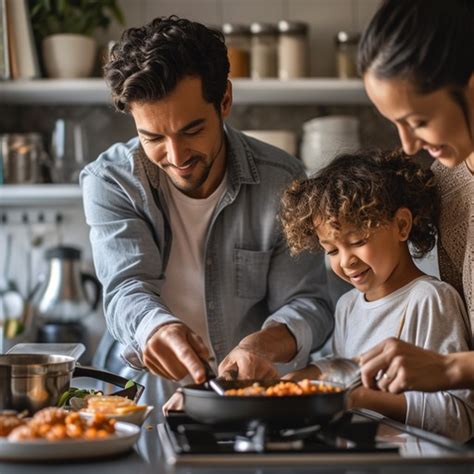
The first step is often the most critical: observation and interview. If the original cook is still around, spend time with them in the kitchen. Watch their techniques, ask pointed questions about quantities, and note down every detail. “How much is a ‘handful’ to you?” “How do you know when it ‘looks right’?” Record everything, even seemingly minor steps. If the original cook isn’t available, look for clues in the recipe itself, other family members’ memories, or similar recipes from the era.
Step 2: The Art of Experimentation and Iteration
Once you’ve gathered initial information, it’s time to get cooking. Choose a manageable portion of the recipe to start with, especially if it’s complex. Follow the vague instructions as best you can, but pay close attention to the impact of each ingredient. Document every substitution and measurement change. Don’t be afraid of failure; it’s part of the learning process. The first attempt might not be perfect, but it provides a baseline for adjustment.

Step 3: Standardizing Measurements and Techniques
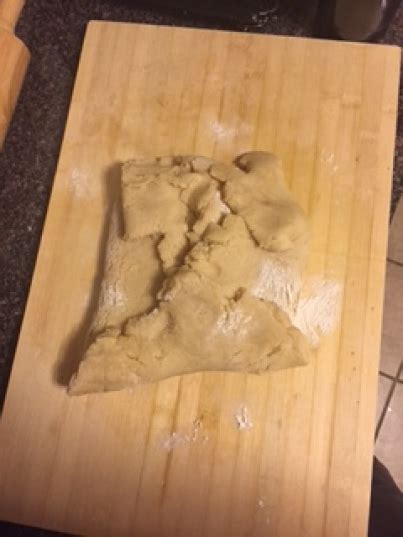
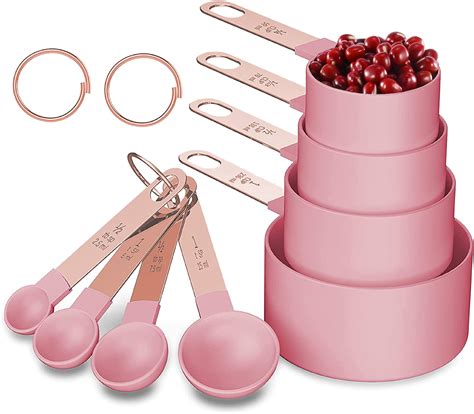
This is where the transformation happens. As you experiment, convert vague terms into standard units. For “a dash,” try 1/8 teaspoon. For “a pinch,” try 1/16 teaspoon or a literal pinch. For “enough flour,” measure the flour you add until the desired consistency is reached. Replace subjective cooking times (“cook until done”) with observable cues and approximate times (e.g., “simmer for 20 minutes, or until potatoes are fork-tender”). Define specific cooking techniques (e.g., “sauté until caramelized,” “bake until golden brown”).
Step 4: Meticulous Documentation and Testing
Keep a detailed log of your trials. Note the original instruction, your interpretation, the precise measurements you used, the results, and any adjustments made. Take photos or videos of crucial steps or desired consistencies. Once you have a revised recipe, test it multiple times. Share it with other family members or trusted friends who can provide objective feedback. This collaborative testing helps refine the instructions and catches any lingering ambiguities.

Step 5: Formatting for Future Generations
The final step is to present your clarified recipe in a user-friendly format. Organize ingredients into precise lists with units (cups, tablespoons, grams, etc.). Break down instructions into numbered, easy-to-follow steps. Include preparation times, cooking times, yield, and any special equipment. Consider adding a short introduction about the recipe’s origin and significance to your family. This not only makes the recipe clear but also retains its emotional value.
By embarking on this culinary journey, you’re not just creating a recipe; you’re safeguarding a piece of your family’s history, ensuring that cherished flavors and traditions can be recreated and enjoyed for many generations to come. It’s a wonderful way to honor the past while contributing to the future of your family’s kitchen.