

How do you manage the *behind the scenes* mess during a complex homestead recipe shoot?
The allure of a beautifully crafted homestead recipe photo often belies the whirlwind of activity and sheer volume of ingredients that goes into its creation. From freshly harvested produce to homemade dairy, complex homestead recipes involve numerous steps, multiple bowls, and an array of tools. The challenge? Capturing the rustic charm and deliciousness without the “behind-the-scenes” chaos overwhelming your final shot, or your sanity.
Embrace the Art of Mise en Place (and Beyond)
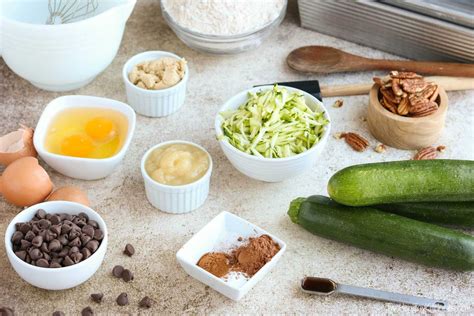
While often associated with professional kitchens, mise en place is your absolute best friend in a complex homestead shoot. This isn’t just about chopping your onions; it’s about having every ingredient prepped, measured, and organized in small, easily accessible containers. Go a step further: group ingredients by the recipe step they’ll be used in. For example, all ingredients for the dough in one section, all for the filling in another. This minimizes frantic searching and reduces the number of containers simultaneously open and active.
The Zone System: Designate Your Workspace
Think of your shooting area as having distinct zones. You’ll likely have your primary “hero shot” zone where the final dish will be photographed. Adjacent to this, create a “staging zone” for ingredients actively being used or styled for a shot. Crucially, establish a “dirty zone” or “holding zone” for used utensils, empty bowls, and discarded scraps. This prevents clutter from creeping into your camera frame and keeps your primary prep and shoot areas clean. A large bin or a designated corner away from the camera’s view is perfect for this.
Strategic Staging and Prop Management
Homestead recipes often call for rustic props – vintage linens, wooden boards, earthenware, and farm-fresh garnishes. While these add character, they can also contribute to visual noise. Plan your props in advance. Only bring out what you intend to use for a specific shot. Have a designated “prop holding” area for items not currently in use. When a prop’s job is done, immediately return it to its holding area or, if dirty, move it to the dirty zone. This systematic approach prevents props from becoming part of the general mess.

The “Clean as You Go” Mantra
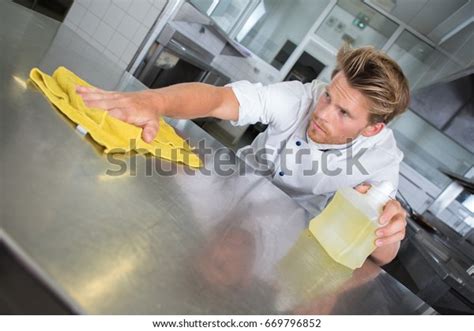
This cannot be stressed enough. As soon as a pot, pan, or utensil is no longer needed, give it a quick rinse and place it in the dishwasher or a designated wash basin. Wipe down surfaces immediately after a spill or splattering. Have a damp cloth and a dry cloth always within reach. This proactive approach prevents small messes from snowballing into an overwhelming cleanup operation at the end of a long shoot, preserving your energy and keeping your set looking professional.
Streamline Your Styling Station
Beyond the cooking itself, there’s the styling process. Often, this involves tweezers, brushes, oils, sprays, and various small garnishes. Keep these styling tools organized in a small tray or caddy. When adjusting food on set, use clean tools and have a designated spot for them to return to. Avoid leaving lids off containers or brushes lying haphazardly. A tidy styling station contributes significantly to overall mess reduction and efficiency.

Post-Shoot Power Hour: Efficient Tidy Up
Even with the best “clean as you go” strategy, there will be a final cleanup. Before you even think about editing, tackle the immediate mess. Group similar items: all cutting boards together, all measuring spoons together, all empty containers. Load the dishwasher systematically. Return unused ingredients to storage. A dedicated “power hour” immediately following the shoot will prevent the lingering mess from becoming a deterrent to future culinary adventures.

Conclusion
Managing the “behind the scenes” mess during a complex homestead recipe shoot is less about avoiding mess entirely and more about intelligent systems and mindful habits. By implementing strategic planning, zone management, diligent cleaning, and organized staging, you can transform potential chaos into a streamlined, enjoyable, and ultimately more productive creative process, yielding beautiful imagery without the lingering headache of an overwhelming cleanup.