



Packing homemade food to stay fresh on country road trips?
The Joy of Homemade Food on the Open Road
There’s nothing quite like hitting the open road, the wind in your hair, and a sense of adventure guiding your way. While the allure of roadside diners is undeniable, packing your own homemade food offers a wealth of benefits: it’s healthier, more budget-friendly, and often much more satisfying. However, the unique challenges of a country road trip – varying temperatures, limited access to refrigeration, and bumpy roads – demand smart strategies to keep your culinary creations fresh and safe. This guide will help you master the art of packing food for your next great escape.
Choose Your Edibles Wisely
The first step to fresh food on the road is selecting items that are naturally resilient and travel well. Prioritize foods with lower moisture content and those that don’t easily spoil in fluctuating temperatures.
- Road-Trip Champions: Consider sturdy sandwiches (with fillings like cheese, sliced meat, or nut butter), wraps, hard-boiled eggs, pre-cut raw vegetables (carrots, celery sticks, bell peppers), whole fruits (apples, oranges, bananas), nuts, seeds, dried fruits, granola bars, and homemade muffins or cookies.
- Handle with Care: If bringing cooked items like pasta salads or chicken, ensure they are thoroughly cooled before packing and kept strictly chilled.
- Foods to Avoid (or Limit): Steer clear of mayonnaise-based salads, raw meats or fish, highly perishable dairy products, and anything that requires delicate handling or precise temperature control.
Essential Gear for Optimal Freshness
Your packing equipment is just as important as the food itself. Investing in the right tools can make all the difference in maintaining freshness.
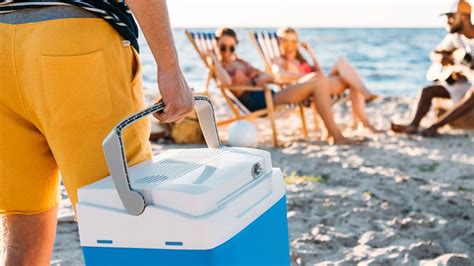
- High-Quality Cooler: A well-insulated, leak-proof cooler is non-negotiable. Hard-sided coolers generally offer better insulation than soft-sided ones for longer trips.
- Ice Packs & Gel Packs: These are superior to loose ice as they don’t melt into water, which can contaminate food. For extended journeys, consider dry ice (handle with extreme caution and ensure ventilation).
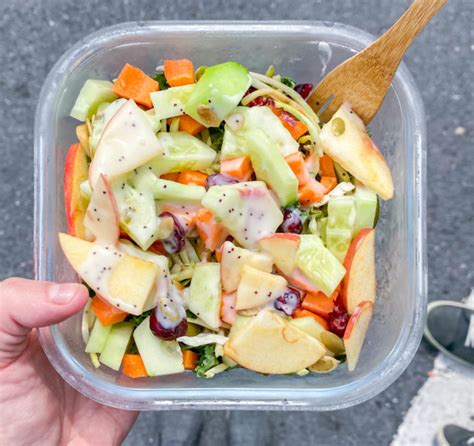
- Airtight Containers: Glass or sturdy BPA-free plastic containers prevent leaks, contain odors, and protect food from crushing. Individual portion sizes are often best to avoid opening large containers repeatedly.
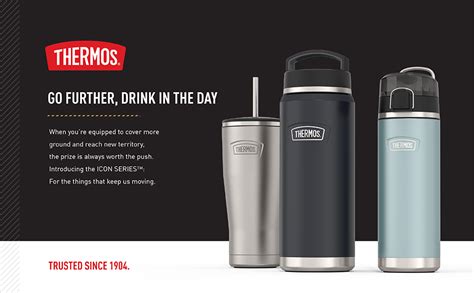
- Thermos Bottles: Excellent for keeping drinks cold or hot for hours, and even for transporting soups or stews.
- Reusable Bags & Wraps: For separating items, carrying snacks, and minimizing waste.
Mastering the Packing Strategy
How you pack your cooler can significantly impact how long your food stays fresh.
- Pre-Chill Everything: Before packing, make sure your food is thoroughly chilled in the refrigerator, and pre-chill your cooler by adding ice packs for an hour or two before loading.
- Bottom-Up Layering: Place ice packs or frozen bottles of water at the bottom. Next, add the most temperature-sensitive items (e.g., cooked meats, dairy). Follow with less perishable items, then snacks and drinks you’ll access frequently on top.
- Fill the Gaps: Minimize air pockets by filling empty spaces with additional ice packs, crumpled newspaper, or even clean towels. Less air circulation means better insulation.
- Separate Wet from Dry: Use waterproof bags or containers to prevent liquids from leaking onto other foods and making them soggy.

Prioritizing Food Safety on the Go
Food safety is paramount to avoid unwanted stomach upsets and ensure an enjoyable trip. The “danger zone” for bacterial growth is between 40°F and 140°F (4°C and 60°C).
- Maintain Cold Temperatures: Always strive to keep perishable foods below 40°F (4°C). If food has been in the danger zone for more than two hours, it’s best to discard it.
- Hygiene Habits: Pack hand sanitizer or wet wipes for clean hands before and after handling food.
- Avoid Cross-Contamination: Use separate cutting boards or surfaces (if applicable) and ensure raw foods are never in contact with cooked or ready-to-eat items.
- Trust Your Senses: If food looks, smells, or tastes off, do not risk it. When in doubt, throw it out.

Maximizing Freshness Throughout Your Journey
Even with the best packing, ongoing management helps. Keep your cooler out of direct sunlight whenever possible, perhaps under a blanket or in the shaded part of your vehicle. Minimize how often you open the cooler, as each opening allows cold air to escape. If your trip extends over several days, plan to replenish ice packs or ice at gas stations or grocery stores. Prioritize eating your most perishable items earlier in the trip.
By following these comprehensive tips, you can ensure that your homemade meals remain delicious, safe, and fresh, enhancing your country road trip experience with every bite. Happy travels and happy eating!