





How do heirloom recipes adapt to today’s homegrown garden ingredients?

The Timeless Appeal of Heirloom Recipes Meets Modern Cultivation
Heirloom recipes carry stories, history, and a connection to our culinary past. They are more than just instructions; they are edible legacies passed down through generations, often reflecting the ingredients and cooking methods of a bygone era. Concurrently, the popularity of homegrown gardens has surged, with more people cultivating their own produce, driven by a desire for freshness, sustainability, and a deeper connection to their food source.
Bridging these two worlds—the ancient art of heirloom cooking and the vibrant reality of today’s homegrown garden—offers a uniquely rich and sustainable cooking experience. However, it’s not always a direct swap. Adapting these time-honored dishes to utilize the bounty from your modern backyard requires a thoughtful approach, understanding the nuances of ingredient differences, and a willingness to embrace culinary flexibility.
Navigating Ingredient Differences: From Past to Present
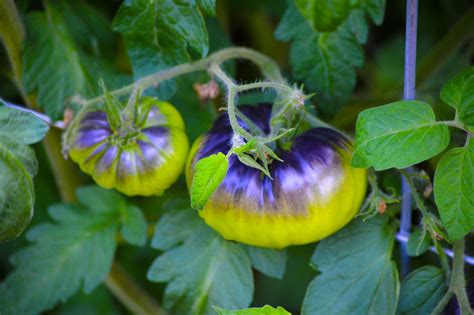
The “same” vegetable today might differ significantly from its historical counterpart referenced in an heirloom recipe. Modern commercial varieties are often bred for yield, disease resistance, and shelf life, sometimes at the expense of the intense, specific flavors and textures found in older cultivars. Conversely, many gardeners today cultivate heirloom varieties of fruits and vegetables, which, while true to their lineage, might still differ from what was regionally common centuries ago.
This means a cook adapting an heirloom recipe must be mindful of potential differences in water content, sweetness, acidity, or even size. For example, a “common tomato” in a 19th-century recipe might refer to a specific, now rare, variety. Understanding these potential variations is the first step in successful adaptation.
Practical Adaptation Strategies for the Home Cook
Ingredient Matching (or Thoughtful Substitution)
Focus on understanding the role of the ingredient in the original recipe. If an old recipe calls for “field greens,” consider what wild or cultivated greens your garden offers that would provide similar bitterness, crunch, or tenderness. For specific items like potatoes or beans, research common heirloom varieties that mimic the characteristics of older cultivars, or choose modern varieties with similar starch/sugar profiles. Don’t be afraid to experiment with lesser-known heirloom varieties from your garden; they might offer an unexpected depth of flavor.
Adjusting Quantities and Moisture
Homegrown vegetables often have higher water content and more intense flavors than supermarket produce. This can significantly affect the consistency of sauces, soups, or baked goods. Be prepared to adjust liquid amounts – add less initially, or be ready to cook down dishes longer to achieve the desired texture. Taste and adjust seasonings as you go, recognizing that the vibrant flavor of fresh garden produce might require less added salt or herbs than recipes formulated for milder, store-bought ingredients.

Embracing Seasonal Abundance
Heirloom recipes were inherently seasonal, born from what was available at a specific time of year. Today’s homegrown gardener similarly works with seasonal bounty. This might mean making a green bean casserole with fresh-picked beans instead of canned, or a summer fruit pie with perfectly ripe berries directly from the bush. Don’t be afraid to substitute within the spirit of the recipe. If a winter stew calls for carrots but your garden is overflowing with parsnips, a thoughtful swap can honor the recipe’s intent while celebrating your harvest.

Beyond the Plate: Preservation and Flavor Enhancement
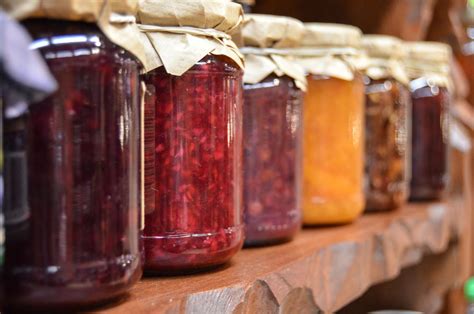
Many heirloom recipes originated during times when preservation was key to survival and extending the harvest. Your homegrown garden provides the perfect opportunity to revive these techniques. Canning jams, pickling vegetables, drying herbs, or fermenting foods connects directly with the spirit of preserving garden abundance, just as our ancestors did. Using your own freshly grown ingredients for these preservation methods ensures unparalleled quality and flavor.
Moreover, the superior flavor of homegrown produce means heirloom recipes often shine even brighter. A simple tomato sauce made with garden-fresh heirloom tomatoes will taste fundamentally different – richer, more complex, and vibrant – than one made with store-bought alternatives. This inherent quality elevates the final dish, making the adaptation truly worthwhile.
Tips for a Successful Culinary Journey
- Start Small: Choose simpler heirloom recipes first to get a feel for the adaptation process.
- Document Everything: Keep notes on substitutions, quantity adjustments, and outcomes. This creates your own ‘heirloom’ adaptation guide for future reference.
- Taste, Taste, Taste: The most important tool in your kitchen is your palate. Continuously taste your dish and adjust as needed.
- Be Flexible: Recipes, especially old ones, are guides. Embrace the spirit of experimentation and make the dish your own.
Conclusion
The journey of adapting heirloom recipes to today’s homegrown ingredients is a rewarding one. It bridges generations, celebrates sustainable living, and elevates the simple act of cooking into a profound connection with both history and nature. By understanding the ingredients, embracing flexibility, and trusting your culinary instincts, you can breathe new life into cherished traditions and create extraordinary meals that truly reflect the bounty of your garden and the wisdom of the past. Enjoy the process of creating new traditions from old.