




What are the best natural methods for preserving summer garden herbs?

The vibrant flavors and intoxicating aromas of a summer herb garden are one of nature’s greatest gifts. As the season progresses, bountiful harvests often leave us wondering how to best capture and preserve these botanical treasures to enjoy long after the warm weather fades. Fortunately, a variety of natural methods allow us to extend the life of our favorite herbs, ensuring their essence enriches our cooking and well-being throughout the year without artificial additives.
Embracing Natural Preservation
Choosing natural preservation methods for your garden herbs isn’t just about avoiding chemicals; it’s about honoring the plant’s inherent qualities and maximizing its flavor. These techniques leverage fundamental processes like dehydration, freezing, and infusion to maintain the integrity of the herbs, providing a delicious connection to your summer garden even in the depths of winter.
Drying: The Timeless Method
Drying is perhaps the oldest and most straightforward way to preserve herbs. It works by removing moisture, which inhibits spoilage. Herbs with lower moisture content and sturdy leaves, such as rosemary, thyme, oregano, and bay leaves, are excellent candidates for drying. Delicate herbs like basil and mint can also be dried, though they may lose some potency.
Air Drying
For centuries, herbs have been air-dried. Harvest herbs in the morning after the dew has evaporated but before the sun is too strong. Gently rinse and pat dry. Remove any damaged leaves. Tie small bunches (5-10 stems) together at the base with twine, ensuring good air circulation between sprigs. Hang them upside down in a warm, dry, well-ventilated area away from direct sunlight, which can bleach colors and diminish flavor. A pantry, attic, or even a protected porch can work. Drying can take anywhere from one to three weeks, depending on the herb and humidity levels. Herbs are fully dry when they crumble easily to the touch.

Dehydrator or Oven Drying
For quicker results, a food dehydrator set to a low temperature (around 95-115°F / 35-46°C) can be very effective. Spread herbs in a single layer on dehydrator trays. Check periodically until brittle. An oven can also be used on its lowest setting, with the door slightly ajar to allow moisture to escape, but this method requires close monitoring to prevent cooking the herbs.
Freezing: Capturing Freshness
Freezing is ideal for herbs you want to use fresh in cooking, as it retains much of their original color, flavor, and texture. It’s particularly good for soft-leaved herbs like basil, parsley, cilantro, chives, mint, and dill.
Ice Cube Trays
Finely chop your fresh herbs. Fill ice cube tray compartments about two-thirds full with the chopped herbs. Pour olive oil, melted butter, or even water over the herbs, ensuring they are fully submerged. Freeze until solid. Once frozen, pop out the cubes and transfer them to freezer-safe bags or containers. Label and date them. These herb cubes can be added directly to soups, stews, sauces, and roasts.

Flash Freezing Whole Leaves
For herbs like basil, you can flash freeze individual leaves. Lay whole, clean, dry leaves in a single layer on a baking sheet lined with parchment paper. Freeze until solid (about an hour). Once frozen, transfer the leaves to a freezer-safe bag, pressing out as much air as possible. These can be easily broken off and used as needed.
Preserving in Oil or Vinegar
Infusing oils and vinegars with herbs is a wonderful way to create flavorful condiments for dressings, marinades, and cooking.
Herbal Oils
To make an herbal oil, gently bruise clean, dry herbs (like rosemary, thyme, oregano, or sage) and place them in a clean, sterilized glass bottle. Fill the bottle with good quality olive oil or another neutral oil. Ensure the herbs are fully submerged. Store in a cool, dark place for 2-4 weeks, shaking gently every few days. Strain out the herbs before using. Important Safety Note: To prevent the risk of botulism, fresh garlic and herbs in oil must be refrigerated and used within a week, or acidulated (e.g., with vinegar) if stored longer. For shelf-stable herb oils, always use thoroughly dried herbs, or opt for vinegar infusions.
Herbal Vinegars
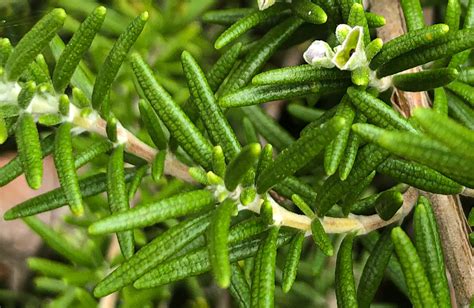
For herbal vinegars, use sturdy herbs like rosemary, thyme, oregano, tarragon, or even chives. Place clean, dry sprigs into a clean glass bottle. Fill with white wine vinegar, apple cider vinegar, or distilled white vinegar. Store in a cool, dark place for 2-4 weeks. Strain out the herbs for a clear vinegar or leave them in for a decorative touch. These vinegars are excellent for salad dressings, marinades, and pickling.
Creating Herbal Salts and Sugars
Herbal salts and sugars are fantastic ways to infuse everyday seasonings with garden fresh flavors. They make excellent gifts too!
Herbal Salts
Chop fresh, sturdy herbs (rosemary, thyme, oregano, sage, parsley, celery leaves) finely. Combine them with coarse sea salt in a food processor, pulsing until the herbs are well distributed and the salt takes on a greenish hue. Spread the mixture thinly on a baking sheet and allow it to air dry for several days, or bake in a very low oven (around 150°F / 65°C) for 1-2 hours until completely dry. Store in an airtight container. This is perfect as a finishing salt for roasted vegetables, meats, or eggs.
Herbal Sugars
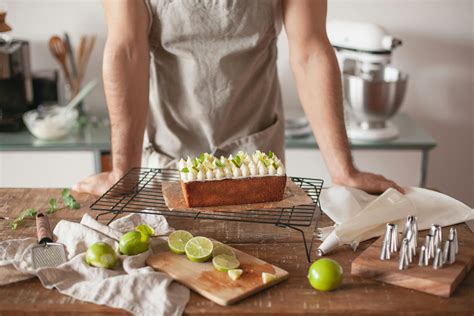
Delicate, aromatic herbs like mint, lavender, and rose petals work beautifully in sugar. Layer clean, dry herb leaves or petals with granulated sugar in an airtight jar. Allow to sit for 1-2 weeks, shaking occasionally. The sugar will absorb the herb’s fragrance. Sieve out the herbs if desired, or leave them for visual appeal. Use in teas, desserts, or to rim cocktail glasses.
Storing Your Preserved Herbs
Proper storage is crucial for maintaining the quality and longevity of your naturally preserved herbs.
- Dried Herbs: Store whole or lightly crumbled dried herbs in airtight containers (glass jars are ideal) away from light, heat, and moisture. Grinding them just before use will maximize their flavor.
- Frozen Herbs: Keep frozen herb cubes or leaves in well-sealed freezer bags or containers to prevent freezer burn. They can last for 6-12 months.
- Herbal Oils: As mentioned, fresh herb oils must be refrigerated and used quickly. Shelf-stable oils made with dried herbs should be stored in a cool, dark place and consumed within a few months.
- Herbal Vinegars: Store in a cool, dark pantry. They can last for several months to a year.
- Herbal Salts/Sugars: Keep in airtight containers in a cool, dry place. Moisture is their enemy, as it can cause clumping or spoilage.
Enjoying Your Harvest Year-Round
Preserving your summer garden herbs naturally is a rewarding endeavor that extends the bounty of your harvest. Whether you choose to dry them, freeze them, infuse them, or blend them into salts and sugars, these methods ensure that the vibrant essence of your garden can be savored through every season, bringing warmth and flavor to your table long after the last summer day.