



How to show real food recipe fails authentically, inspiring learning, not frustration?

In a world saturated with perfectly styled food photos and flawless cooking videos, the reality of the kitchen often gets lost. Every cook, from novice to professional, experiences recipe failures. The challenge for content creators isn’t whether to hide these missteps, but rather how to show real food recipe fails authentically, transforming potential frustration into genuine learning and inspiration for their audience.
Embracing Authenticity: Why Fails Resonate
Sharing your culinary blunders isn’t a sign of weakness; it’s a powerful act of authenticity. It humanizes your brand or personal journey, making you more relatable to an audience tired of curated perfection. When viewers see that even experienced cooks encounter setbacks, it fosters trust and encourages them to embark on their own cooking adventures without the fear of failure.
Authenticity counters the prevalent ‘imposter syndrome’ felt by many aspiring home cooks who might believe they’re the only ones struggling. By openly showcasing your struggles, you create a safe space for others to acknowledge their own, turning individual frustration into a shared, empowering experience.

Strategies for Documenting Culinary Mishaps Effectively
The Power of Perspective and Humor
Frame your recipe fails with a lighthearted, self-deprecating tone. Humor is an incredibly effective tool for defusing potential frustration. Instead of dwelling on what went wrong in a negative way, approach it as an amusing anecdote or a learning curve. A witty caption or a chuckle in your video can turn a disaster into a memorable, endearing moment.
Allow yourself to laugh at the situation, and your audience will likely laugh with you, not at you. This positive spin makes the content enjoyable and less intimidating.

Dissecting the Disaster: What Went Wrong?
Beyond simply showing the fail, the true value lies in dissecting it. Explain what you believe went wrong. Was it an incorrect measurement, oven temperature issue, poor technique, or a bad ingredient? Walk your audience through your thought process.
This analytical approach transforms a simple ‘fail’ into a mini-lesson. By sharing your troubleshooting, you equip your audience with problem-solving skills they can apply in their own kitchens, making your content genuinely educational.
Offering Solutions and Lessons Learned
A recipe fail should ideally culminate in a valuable takeaway. What did you learn from this experience? How would you approach it differently next time? Perhaps you can even offer a corrected version or alternative techniques.
This demonstrates growth and a commitment to improvement, turning a mistake into a stepping stone. Showing the path from failure to a successful outcome (even if it’s a subsequent attempt) provides a complete narrative arc that is incredibly satisfying and inspiring for viewers.
Before and After: The Redemption Arc
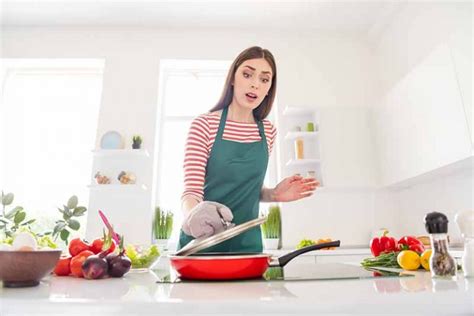
If feasible, follow up a failed attempt with a successful one, showcasing a ‘before and after’. This not only highlights your perseverance but also provides a clear example of how to overcome a challenge. It gives your audience hope and a tangible demonstration of how learning from mistakes leads to better results.
The redemption arc reinforces the idea that cooking is a skill developed through practice, patience, and learning from every experience, good or bad.
Fostering Learning, Not Frustration
The ultimate goal is to inspire. By transparently sharing your culinary journey, including the bumps along the way, you empower your audience to embrace their own cooking adventures with confidence. Encourage comments, questions, and shared experiences. Build a community where failures are discussed openly as part of the learning process, not hidden in shame.
Remember, authentic content creates deeper connections. When you’re real about your recipe fails, you’re not just a content creator; you’re a fellow traveler on the culinary path, making the journey more enjoyable and less daunting for everyone involved.