



Best method for tenderizing tough cuts of venison from scratch?

Understanding Venison Toughness
Venison, particularly from older animals or less utilized muscles, can be notoriously tough. This toughness primarily stems from its lean nature, low fat content, and strong muscle fibers, especially if the animal was stressed before harvest or not properly field-dressed and aged. Unlike domesticated meats, wild game often has more connective tissue and less marbling, which contributes to its chewiness if not handled correctly. But with the right techniques, even the toughest cuts can become wonderfully tender and flavorful.
Mechanical Tenderization: Breaking Down Fibers
One of the most immediate ways to break down tough muscle fibers is through mechanical means. This involves physically disrupting the structure of the meat, making it easier to chew and allowing marinades to penetrate more deeply.
- Pounding: Using a meat mallet, pound the venison evenly to a consistent thickness. This action physically breaks up muscle fibers and connective tissue. Be gentle but firm to avoid tearing the meat excessively. This method is excellent for steaks that you intend to pan-fry or grill quickly.
- Scoring or Cubing: For tougher cuts destined for stewing or braising, scoring the surface in a crisscross pattern or cubing the meat into smaller, uniform pieces helps shorten muscle fibers and allows heat to penetrate more evenly, promoting tenderness.

Enzymatic Tenderization: Nature’s Way
Certain natural ingredients contain enzymes that can chemically break down proteins in meat, leading to increased tenderness. However, caution is advised as overuse can result in a mushy texture.
- Fruit-Based Marinades: Pineapple (bromelain), papaya (papain), and kiwi (actinidin) contain potent protein-digesting enzymes. A marinade incorporating a small amount of puréed fruit or juice can be highly effective. Marinate for no more than 1-2 hours for thinner cuts, or 3-4 hours for thicker pieces, to prevent the meat from becoming too soft.
- Dairy Products: Yogurt, buttermilk, and kefir contain lactic acid, which mildly denatures proteins, and also natural enzymes that contribute to tenderization. Marinating venison in dairy for 12-24 hours can yield incredibly tender and moist results, often imparting a subtle tang.
Acidic Marinades: Flavor and Tenderness
Acidic ingredients help to denature proteins and break down connective tissue, contributing to tenderness while also infusing the meat with flavor. They are a cornerstone of many venison recipes.
- Vinegar and Wine: Red wine, apple cider vinegar, or balsamic vinegar are excellent choices. They provide a robust flavor profile and gradually break down tough fibers. Marinate for several hours or overnight in the refrigerator.
- Citrus Juices: Lemon, lime, or orange juice can be used, but like fruit enzymes, their strong acidity means shorter marinating times (typically 2-6 hours) to avoid ‘cooking’ the meat or making it mushy.
- Balancing Act: Always balance acidic marinades with oil to protect the meat from drying out and to carry fat-soluble flavors. Herbs, spices, and aromatics like garlic and onion further enhance the taste.
Brining for Moisture and Tenderness
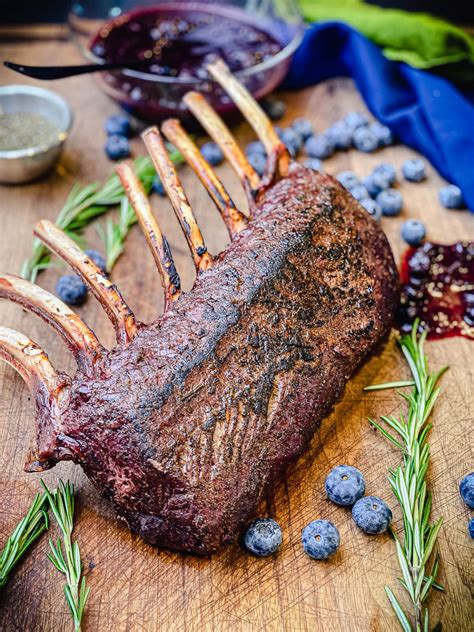
While often associated with poultry, brining can work wonders for lean venison. A brine solution (salt dissolved in water, often with sugar and spices) helps the meat absorb moisture and seasoning, resulting in a more tender and juicy final product.
- Process: Submerge venison cuts in a solution of 1/4 cup salt per quart of water (adjusting for sugar and other flavorings). Brine for 4-12 hours in the refrigerator, depending on the thickness of the meat.
- Benefits: The salt helps to denature proteins, causing them to unravel and trap moisture, preventing dryness often associated with lean venison. This method doesn’t necessarily break down tough fibers but improves the meat’s texture and juiciness significantly.
Slow Cooking: The Ultimate Tenderizer
For truly tough cuts like roasts, shanks, or stew meat, low and slow cooking is arguably the most effective method for achieving fork-tender results. This process allows connective tissues, particularly collagen, to slowly break down into gelatin.
- Braising: Sear the venison first to develop a flavorful crust, then simmer it gently in a flavorful liquid (broth, wine, or combination) in a covered pot or Dutch oven for several hours until it’s falling apart. This method is perfect for shoulder, neck, or leg roasts.
- Stewing: Similar to braising but typically involves smaller, uniformly cut pieces. Stewing allows the meat to become incredibly tender while absorbing the rich flavors of the broth and accompanying vegetables.
- Low Temperature Roasting: Even large roasts can benefit from low-temperature roasting (around 225-275°F / 107-135°C) for extended periods, allowing enzymes to work and connective tissue to break down without drying out the meat.
Butchering and Preparation Tips
Proper initial handling of venison plays a crucial role in its eventual tenderness.
- Aging: If possible, properly age the venison in a controlled environment for several days to a week after harvest. This allows natural enzymes within the meat to begin breaking down muscle fibers.
- Trimming: Thoroughly remove all silver skin, fascia, and excess fat before cooking. These tough, sinewy membranes will not tenderize significantly during cooking and can detract from the eating experience.
- Cutting Against the Grain: Always slice cooked venison against the grain of the muscle fibers. This shortens the fibers, making the meat much easier to chew and giving the impression of greater tenderness.

Conclusion
Tenderizing tough cuts of venison from scratch involves a multi-faceted approach. Whether you choose mechanical breakdown, enzymatic action, acidic marinades, brining for moisture, or the tried-and-true method of slow cooking, each technique offers a path to transforming lean, challenging cuts into succulent, enjoyable meals. Experiment with these methods to discover your preferred way to unlock the true potential of wild game, ensuring every bite is tender and full of flavor.