


What real food traditions build strong family bonds and country skills?

The Enduring Power of Food Traditions
In an increasingly fast-paced world, many families seek ways to reconnect, build resilience, and instill practical skills in their children. Surprisingly, the answer often lies in ancient, real food traditions that bring generations together around the hearth, garden, and table. These practices not only nourish the body but also weave a rich tapestry of shared experiences, teaching invaluable life lessons and fostering deep family bonds and essential country skills.
The Kitchen as a Classroom: Cooking and Baking Together
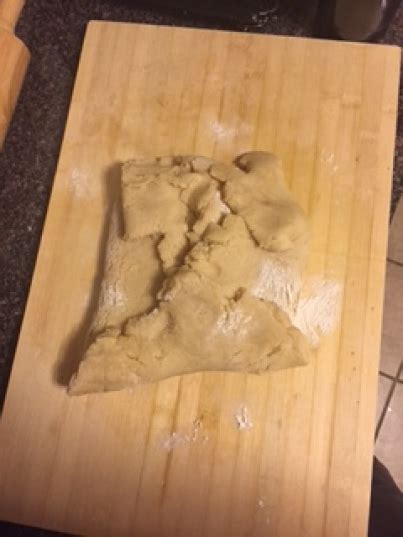
One of the most foundational food traditions is shared cooking and baking. From kneading dough for homemade bread to preparing a family-favorite casserole, the kitchen transforms into a dynamic classroom. Children learn about measurements, ingredient properties, and the satisfaction of creating something delicious from scratch. Beyond the tangible skills of following a recipe or handling utensils, they absorb lessons in teamwork, patience, problem-solving, and contributing to a common goal. The shared laughter, occasional mistakes, and the ultimate joy of eating the fruits of their labor forge powerful, lasting memories.

From Garden to Table: Cultivating Food and Connection
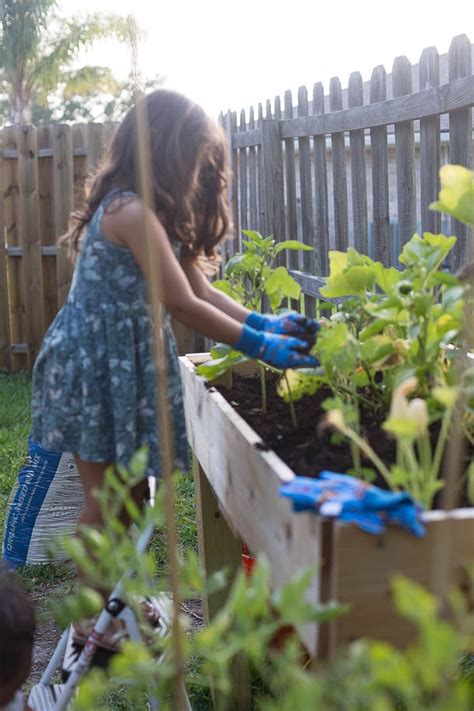
Engaging in gardening as a family tradition connects everyone directly to their food source and the rhythm of nature. Tending a garden, no matter how small, teaches children about plant life cycles, soil health, and the effort required to grow food. They learn the difference between various vegetables, the importance of water and sunlight, and the patience needed for a harvest. This hands-on experience cultivates a profound respect for food, reduces waste, and develops practical skills like digging, planting, and harvesting. The journey from seed to plate—often culminating in a meal prepared with their own bounty—deepens appreciation and strengthens the family unit through shared labor and natural cycles.
The Art of Preservation: Securing the Harvest
Beyond growing, traditional food preservation methods are vital for building country skills and self-sufficiency. Canning fruits and vegetables, making jams and jellies, fermenting sauerkraut, or drying herbs are skills passed down through generations. These activities teach resourcefulness, planning, and a deeper understanding of food cycles. Families learn how to extend the life of their harvest, ensuring nutritious food throughout the year, independent of grocery store fluctuations. The satisfaction of a pantry stocked with homemade goods, processed with their own hands, instills a sense of security and accomplishment.

Feasting and Foraging: Exploring Local Flavors
Seasonal feasting, whether centered around a holiday, a harvest festival, or simply a Sunday dinner, grounds families in their cultural heritage and the natural world. These gatherings often involve specific traditional dishes that carry stories and memories. Additionally, simple foraging for wild berries, mushrooms (with expert guidance), or edible plants can become an exciting family adventure, teaching identification skills, respect for ecosystems, and an intimate knowledge of local landscapes. These experiences foster observation skills, an adventurous spirit, and a deeper connection to the land and its offerings.
Building Legacies Through Culinary Heritage
Ultimately, real food traditions are more than just about sustenance; they are about heritage, connection, and life skills. They are the stories told over simmering pots, the recipes handwritten and passed down, and the hands working together in shared purpose. These traditions cultivate resilience, self-reliance, and a deep appreciation for the effort that goes into feeding a family. By embracing them, families not only build stronger bonds but also equip future generations with invaluable country skills and a rich culinary legacy that will endure for years to come.