





How to effectively deter deer from a small country vegetable garden naturally?
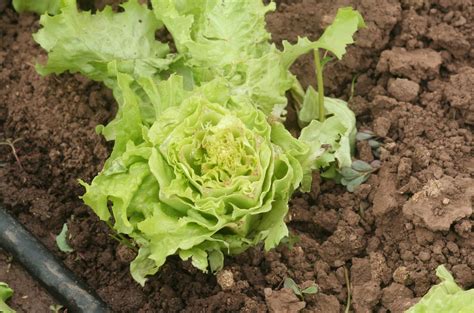
A small country vegetable garden is a dream for many, offering fresh produce and a connection to nature. However, this dream can quickly turn into a nightmare when local deer discover your edible oasis. Their voracious appetites can decimate a garden overnight. The good news is that with a bit of ingenuity and consistency, you can deter deer naturally, protecting your hard work and enjoying your bounty.
Understanding Deer Behavior
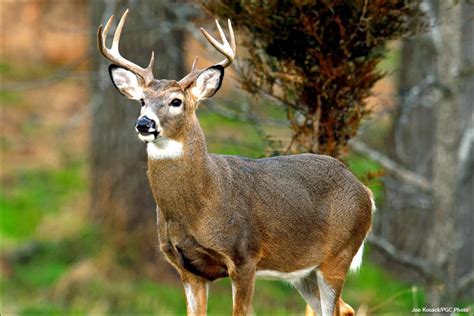
Before implementing deterrents, it’s helpful to understand why deer are attracted to your garden and their general behavior. Deer are creatures of habit, often following established trails and feeding patterns. They are primarily browsers, meaning they prefer to nibble on a variety of plants rather than grazing. Young, tender plants are particularly appealing. They have an excellent sense of smell and can jump surprisingly high, making many traditional fences ineffective. Knowing their preferences can help you plan your defenses more strategically.
Physical Barriers: Your First Line of Defense
When it comes to deer, physical barriers are often the most reliable solution for a small garden, though they require an initial investment of time and resources.
Fencing Solutions
- Tall Fences: A fence needs to be at least 7-8 feet high to prevent most deer from jumping over. While this might seem excessive for a small garden, a well-placed tall fence can be the most effective one-time solution. Consider using sturdy posts and durable mesh or wire.
- Double Fencing: If a tall fence isn’t feasible, two shorter fences (around 4-5 feet high) placed 3-4 feet apart can confuse deer, making them less likely to attempt a jump. They find it difficult to gauge the landing space between the two barriers.
- Invisible Fencing (Monofilament Line): For a less visually intrusive option, stringing several strands of heavy-duty fishing line or monofilament between posts at varying heights (from 18 inches to 6 feet) can create an ‘invisible’ barrier. Deer often walk into these lines, get startled, and retreat without seeing the obstacle.
Natural Repellents: Scent and Taste Deterrents
Deer have sensitive noses and taste buds, making natural repellents an excellent tool. These work by making your garden either smell unappetizing or taste unpleasant to them.
Homemade and Commercial Natural Sprays
Many common household items can serve as effective deer repellents:
- Egg and Water Mixture: The smell of rotting eggs is highly off-putting to deer. Mix 3 raw eggs with 1 gallon of water, let it sit for a day, then strain and spray on plants. Reapply after rain.
- Hot Pepper Spray: Capsaicin (the compound that makes peppers hot) irritates deer. Blend hot peppers with water and a little dish soap, then strain and spray.
- Soap Shavings: Hang small bags of strongly scented bar soap (like Irish Spring) around the perimeter of your garden or near susceptible plants. The strong scent can deter them.
- Garlic or Onion Spray: Mince garlic or onions, steep them in hot water, strain, and spray.
Rotate repellents regularly, as deer can grow accustomed to a single smell or taste over time. Always reapply after significant rainfall.
![🔥 [50+] Beautiful Natural Scenery Wallpapers | WallpaperSafari](/images/aHR0cHM6Ly90czQubW0uYmluZy5uZXQvdGg/aWQ9T0lQLnppdmplazRuVnJRcWxJc211Q1BOVVFIYUVvJnBpZD0xNS4x.webp)
Planting Unattractive Crops and Companion Planting
While deer will eat almost anything if hungry enough, there are certain plants they tend to avoid due to strong scents, bitter tastes, or fuzzy/thorny textures. Incorporating these into or around your garden can act as a natural deterrent:
- Herbs: Mint, rosemary, thyme, oregano, sage, lavender, and garlic.
- Flowers: Marigolds, zinnias, daffodils, poppies, and foxglove.
- Other Plants: Rhubarb (leaves are poisonous), prickly pear cactus, and plants with fuzzy leaves like lamb’s ear.
Strategically planting these ‘buffer’ crops around your more desirable vegetables can create a less appealing entryway for deer.
Visual and Auditory Deterrents
Deer are wary of the unexpected. Utilizing visual and auditory disruptions can startle them and send them scurrying.
- Motion-Activated Sprinklers: These devices connect to a garden hose and emit a sudden burst of water when motion is detected. The surprise and the water blast are highly effective.
- Shiny Objects: Hanging old CDs, aluminum pie plates, or reflective tape from stakes or branches can create flashing lights and movement that spook deer.
- Wind Chimes or Radios: Unexpected sounds can deter deer. A set of loud wind chimes or a battery-powered radio tuned to a talk show (human voices) can be effective, especially if moved occasionally.
Garden Layout and Maintenance Tips
Simple garden design and upkeep can also play a role in deterring deer.
- Raised Beds and Containers: While not deer-proof, elevated gardens can make it slightly more challenging for deer to access plants, especially if combined with other methods.
- Remove Attractants: Don’t leave fallen fruit or vegetables lying around, as these can draw deer to your garden. Keep your garden tidy.
- Relocate Bird Feeders: If you have bird feeders, ensure they are not close to your vegetable garden, as spilled seeds can attract deer.
Combining Strategies for Best Results
The most effective deer deterrence usually involves a multi-pronged approach. No single method is 100% foolproof, as deer can adapt. By combining physical barriers with scent and taste repellents, and occasional visual/auditory deterrents, you create an environment that is consistently unwelcoming.
Observe your garden regularly for signs of deer activity and adjust your strategies accordingly. If one method seems to be losing its effectiveness, switch it up or add another layer of protection. Persistence is key.

Protecting your small country vegetable garden from deer naturally requires a proactive and adaptive approach. With careful planning, a mix of deterrents, and a little patience, you can safeguard your harvest and enjoy the fruits (and vegetables!) of your labor.