




What are foolproof methods for preserving abundant garden produce simply?
Introduction: Harnessing Your Bountiful Harvest
Every gardener dreams of a bumper crop, but sometimes the sheer abundance can feel overwhelming. What do you do when your zucchini plants are producing daily, or your tomato vines are laden with ripe fruit all at once? The answer lies in simple, foolproof preservation methods that extend the life of your homegrown goodness, allowing you to enjoy the flavors of summer long after the season ends. This guide will walk you through straightforward techniques that don’t require specialized skills, transforming your harvest into pantry staples.

Freezing: The Ultimate Convenience
Perhaps the easiest and most versatile preservation method, freezing locks in nutrients and and flavor with minimal effort. Most vegetables benefit from a quick blanching before freezing – a brief dip in boiling water followed by an ice bath – to stop enzyme action and maintain color and texture. Berries, sliced peaches, and corn kernels can often be frozen raw on baking sheets before being transferred to freezer bags. Purees, like tomato sauce or pumpkin, also freeze beautifully in airtight containers or ice cube trays for smaller portions. Always label and date your frozen goods to ensure freshness.
Water Bath Canning: Sweet & Savory Delights
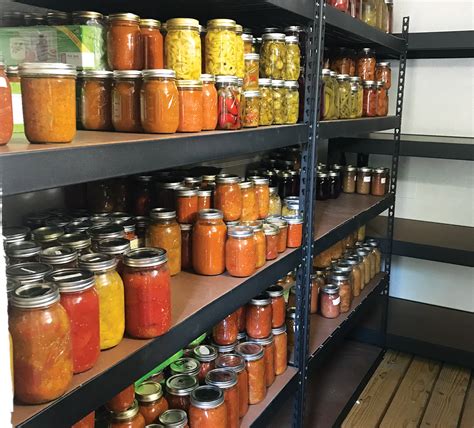
Water bath canning is ideal for high-acid foods such as fruits, jams, jellies, pickles, and tomato products (often with added acid). This method involves processing filled jars in boiling water for a specific duration, creating a vacuum seal. It’s a wonderful way to create shelf-stable condiments and spreads. Think homemade strawberry jam, dill pickles, or zesty tomato salsa. Ensure you follow tested recipes from reliable sources like the National Center for Home Food Preservation to guarantee safety and quality.
Pressure Canning: For Low-Acid Staples
For low-acid foods like most vegetables (green beans, corn, carrots), meats, and soups, pressure canning is essential. A pressure canner reaches temperatures higher than boiling water, effectively destroying harmful bacteria. While it might seem intimidating at first, modern pressure canners are user-friendly. Like water bath canning, adhering strictly to tested recipes and processing times is crucial for safety. Pressure canning allows you to store a wide variety of vegetables and proteins, providing a robust supply of ready-to-eat meals.
Dehydrating: Concentrated Flavor & Light Storage
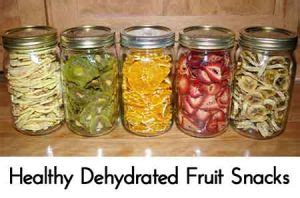
Dehydrating, or drying, removes moisture from food, inhibiting spoilage and concentrating flavors. This method is excellent for herbs, fruit leathers, apple rings, sun-dried tomatoes, and even sliced zucchini or sweet potato chips. You can use a food dehydrator, a low oven, or even the sun in very dry climates. Dried foods are lightweight, take up minimal storage space, and make for nutritious snacks or additions to stews and baked goods. Store dehydrated items in airtight containers in a cool, dark place.
Fermentation: Tangy & Probiotic-Rich Options
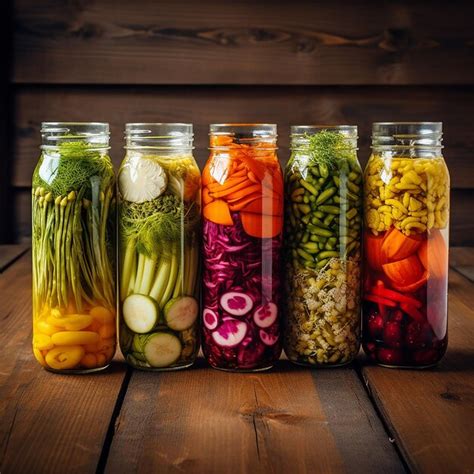
Fermentation is an ancient preservation technique that not only extends shelf life but also enhances nutritional value and flavor. Think homemade sauerkraut, kimchi, or lacto-fermented pickles. Beneficial bacteria convert sugars into lactic acid, which acts as a natural preservative. All you typically need is your produce, salt, water, and a clean jar. This method offers a delicious way to enjoy your harvest with added probiotic benefits, and many fermented foods can be stored in a cool place or refrigerator for months.
Root Cellaring & Cool Storage: The Low-Tech Approach
For certain crops, sometimes the simplest method is the best. Root cellaring or cool storage is ideal for vegetables like potatoes, carrots, beets, apples, and winter squash. A dark, cool, and relatively humid environment (like a basement, garage, or dedicated root cellar) can keep these items fresh for months. Ensure good air circulation and and check regularly for any signs of spoilage. This method requires no special equipment beyond a suitable storage space and careful monitoring.
Embrace Your Preserving Journey
Preserving your garden’s bounty doesn’t have to be complicated. By choosing a few simple methods that suit your produce and lifestyle, you can transform an overwhelming harvest into a year-round pantry of delicious, wholesome food. Experiment with different techniques, start with small batches, and soon you’ll be confidently enjoying the fruits (and vegetables!) of your labor all year long. Happy preserving!