


Best methods for preserving a large tomato harvest without canning?

Embracing Your Tomato Bounty Beyond the Canning Pot
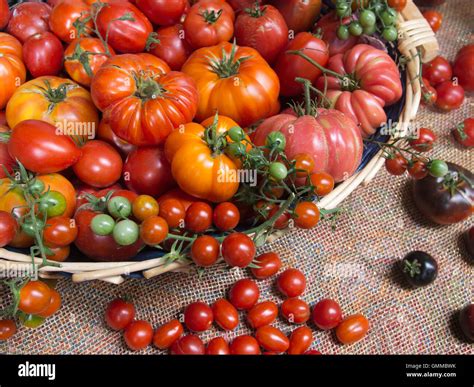
As summer wanes and your tomato plants groan under the weight of their ruby-red treasures, the thought of preserving the harvest can feel overwhelming, especially if canning isn’t your preferred method. Fear not, country dwellers and garden enthusiasts! There are numerous practical and delicious ways to safeguard your tomato abundance without ever touching a pressure canner or boiling water bath. These alternative preservation techniques are often simpler, require less specialized equipment, and can yield incredibly versatile ingredients for your pantry year-round.
Freezing Tomatoes: The Easiest Route
Freezing is arguably the most straightforward and least labor-intensive method for preserving tomatoes. It’s incredibly versatile, allowing you to store them in various forms for different culinary applications.
Whole or Halved Tomatoes
For quick freezing, simply wash your tomatoes, remove the core, and place them whole or halved on a baking sheet lined with parchment paper. Flash freeze them for a few hours until solid, then transfer to freezer-safe bags or containers. When you’re ready to use them, a quick run under warm water will loosen the skins, making them incredibly easy to peel. These are perfect for sauces, soups, and stews.
Pureed or Sauced Tomatoes
If you prefer ready-to-use sauce bases, cook down your tomatoes into a puree or a simple sauce before freezing. Chop tomatoes, simmer them until soft, then pass through a food mill or blend until smooth. Season lightly or leave plain, then pour into freezer bags, ice cube trays, or rigid freezer containers. Once frozen, smaller portions from ice cube trays can be transferred to bags for convenient use. This method is excellent for pasta sauces, chili, and pizza bases.
Roasted Tomatoes
Roasting tomatoes before freezing concentrates their flavor beautifully. Halve or quarter your tomatoes, toss with a little olive oil, salt, and pepper (and perhaps some herbs like oregano or basil), then roast in a moderate oven until softened and slightly caramelized. Let them cool completely, then freeze them on a baking sheet before transferring to freezer bags. Roasted tomatoes add depth to any dish and are fantastic in risottos or as a side dish.
Drying Tomatoes for Intense Flavor
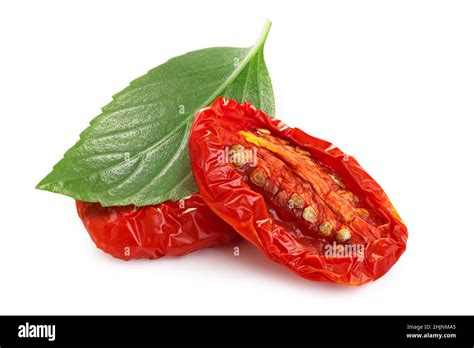
Drying tomatoes transforms them into intensely flavored, chewy morsels perfect for salads, pasta, bread, and antipasti. This method removes water content, concentrating their natural sugars and umami.
Sun-Drying Tomatoes
Traditionally, tomatoes are sun-dried, requiring warm, dry weather and several days. Slice tomatoes (paste varieties work best), arrange them on screens, and cover with netting to protect from insects. Flip periodically until they are leathery and pliable but no longer sticky. Store in airtight containers in a cool, dark place, or pack in olive oil (refrigerate if oil-packed).
Oven or Dehydrator Drying
If you lack consistent sunshine, an oven set to its lowest temperature (around 150-200°F or 65-95°C) with the door slightly ajar, or a food dehydrator, works wonderfully. Slice tomatoes about 1/4 inch thick, arrange them in a single layer, and dry until they reach the desired leathery consistency. This can take anywhere from 6-12 hours in a dehydrator or longer in an oven. Ensure they are completely dry to prevent mold during storage.
Fermentation: A Tangy Twist
Fermenting tomatoes is a less common but incredibly rewarding preservation method that introduces beneficial probiotics and a unique tangy flavor. You can ferment whole cherry tomatoes, sliced larger tomatoes, or even tomato paste.
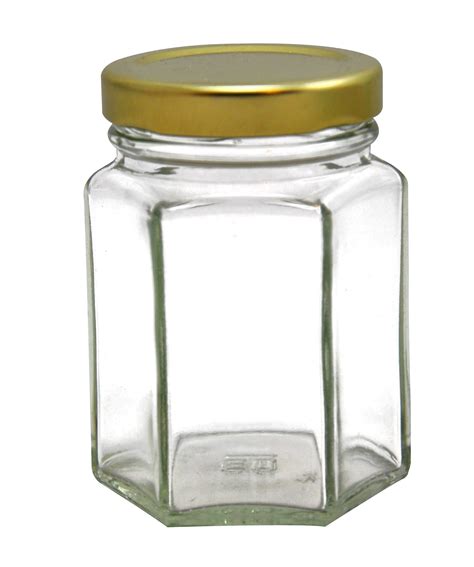
Simply pack clean tomatoes into a sterilized jar, add a brine (typically 2-3% salt solution), and optionally include herbs like garlic, dill, or basil. Ensure tomatoes are submerged under the brine using a fermentation weight. Seal with an airlock lid or burp daily, and let sit at room temperature for several days to a couple of weeks, depending on desired tanginess. Once fermented, store them in the refrigerator, where they will last for several months. They make a fantastic addition to sandwiches, salads, or as a side with grilled meats.
Making and Storing Tomato Paste/Sauce Bases
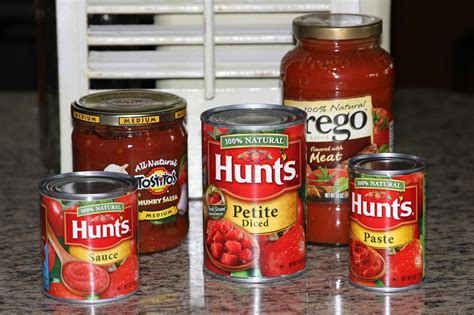
For a concentrated dose of tomato flavor, consider making your own tomato paste or a rich, thick sauce base. This involves slow-cooking tomatoes for many hours until most of the water has evaporated, resulting in a deeply flavored concentrate.
The resulting paste or thick sauce can then be frozen in small portions (e.g., ice cube trays, small freezer bags) or refrigerated if stored under a layer of olive oil in a sealed container. These intensely flavored bases are invaluable for enriching winter stews, soups, and casseroles.
Storage Tips and Beyond
Regardless of the method you choose, proper storage is key to long-lasting preservation:
- Label Everything: Include the date and contents for easy identification.
- Airtight is Best: Minimize air exposure to prevent freezer burn or spoilage.
- Cool, Dark, Dry: For dried tomatoes not packed in oil, a cool, dark, and dry pantry is ideal.
Beyond these methods, consider making fresh salsa or bruschetta mixes that can be enjoyed immediately or even frozen in smaller batches for shorter-term preservation. The possibilities are as endless as your harvest.
Conclusion
Preserving a large tomato harvest doesn’t have to be daunting or require an extensive canning setup. With methods like freezing, drying, and fermenting, you can capture the peak flavor of your homegrown tomatoes and enjoy them throughout the year. Experiment with different techniques to find what best suits your lifestyle and culinary preferences, ensuring that not a single precious tomato goes to waste.