





Easiest ways to preserve a glut of summer garden tomatoes for winter meals?
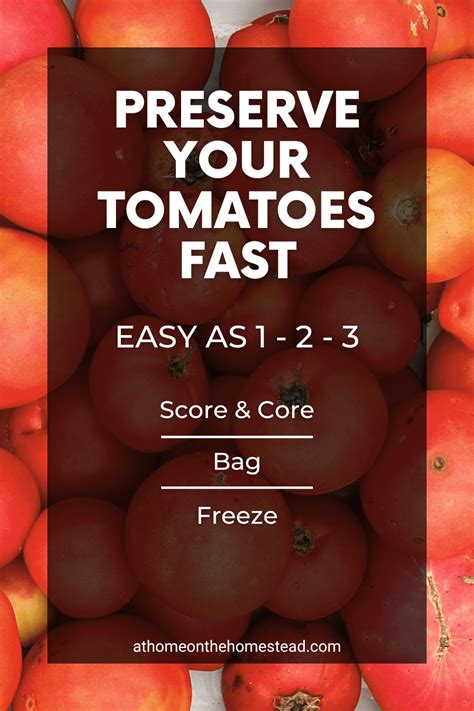
The peak of summer brings an abundant harvest to many home gardens, and for many, that means a glorious, overwhelming glut of ripe, juicy tomatoes. While there’s nothing quite like a fresh-from-the-vine tomato, the joy quickly turns to a challenge when you have baskets full and winter is looming. Fear not! Preserving this summer gold for colder months is easier than you might imagine, ensuring you can enjoy that sun-kissed flavor long after the last frost.
Freezing Tomatoes: The Ultimate Time-Saver
Freezing is arguably the simplest and most straightforward method for preserving tomatoes, requiring minimal effort and no special equipment beyond freezer bags or containers. It’s perfect for those who want to process tomatoes quickly and efficiently.
Whole or Halved Tomatoes
For many recipes, especially those where tomatoes will be cooked down, freezing them whole or halved is incredibly convenient. Simply wash your tomatoes, remove the core, and place them on a baking sheet lined with parchment paper. Freeze until solid (this prevents them from sticking together), then transfer them to freezer-safe bags or containers. When you’re ready to use them, just run them under warm water, and the skins will slip right off!
Chopped or Diced Tomatoes
If you prefer your tomatoes pre-processed, blanch them briefly in boiling water (about 30-60 seconds) then plunge into ice water. This makes peeling effortless. Once peeled, core and chop your tomatoes to your desired size. Pack them into freezer bags, removing as much air as possible, or into airtight containers. Label with the date and quantity.
Tomato Purée or Sauce Base
For a head start on winter soups, stews, and sauces, cook down a batch of tomatoes into a thick purée or a basic sauce. You can roast them first for deeper flavor, or simply simmer them until soft, then pass them through a food mill or blender. Cool completely before freezing in airtight containers, ice cube trays (for smaller portions), or freezer bags. Thaw and use as a base for pasta sauces, chili, or casseroles.

Canning Tomatoes: Shelf-Stable Goodness
Canning offers the immense satisfaction of a pantry stocked with jars of summer’s bounty, ready for any culinary whim. While it requires a bit more equipment and attention to safety, the reward of shelf-stable tomatoes is well worth the effort. Always follow tested canning recipes and guidelines from reputable sources like the National Center for Home Food Preservation (NCHFP).
Crushed or Diced Tomatoes
Wash, core, and peel your tomatoes (blanching makes peeling easy). Chop them into desired pieces. For crushed tomatoes, you can simply mash them. Pack the prepared tomatoes into hot, sterilized canning jars, leaving 1/2 inch headspace. Add a teaspoon of lemon juice or 1/4 teaspoon of citric acid per pint (2 teaspoons lemon juice or 1/2 teaspoon citric acid per quart) to ensure proper acidity for water bath canning. Top with hot water or tomato juice if needed, remove air bubbles, wipe rims, and apply lids and rings. Process in a boiling water canner according to altitude and jar size recommendations.
Tomato Sauce
Making and canning your own plain tomato sauce is incredibly rewarding. Simmer peeled and cored tomatoes until soft, then pass them through a food mill or blender to achieve your desired consistency. You can cook the purée further to thicken it. Add acidity as with crushed/diced tomatoes, then ladle into hot, sterilized jars, leaving headspace. Process in a boiling water canner.

Sun-Drying or Oven-Drying Tomatoes: Flavor Concentrates
Drying tomatoes concentrates their flavor into intensely sweet and savory morsels. These are fantastic in salads, pasta dishes, or rehydrated in warm water for sauces. While traditional sun-drying requires specific climate conditions, an oven or a food dehydrator works wonderfully.
Dehydrator Method
Wash and slice tomatoes (Roma or paste tomatoes work best) about 1/4 to 1/2 inch thick. Arrange them in a single layer on dehydrator trays. Dry at 135°F (57°C) for 8-12 hours, or until pliable and leathery but not brittle. Store in airtight containers in a cool, dark place or freeze for extended freshness.
Oven Method
Preheat your oven to its lowest setting (usually 175-200°F or 80-93°C). Slice tomatoes as for dehydrating, toss with a little olive oil, salt, and herbs if desired. Arrange on baking sheets lined with parchment paper. Bake for several hours, often 4-8, checking frequently, until they are dried to a leathery consistency. Prop the oven door open slightly with a wooden spoon to allow moisture to escape. Cool completely before storing.

Roasting Tomatoes: Deep Flavor for Winter Meals
Roasting tomatoes before freezing is an excellent way to deepen their flavor, creating a rich, smoky base perfect for winter soups, stews, and sauces. This method adds an extra layer of complexity that raw or blanched tomatoes might lack.
Halve or quarter your tomatoes. Toss them with a drizzle of olive oil, salt, pepper, and herbs like oregano or basil. Spread them in a single layer on a baking sheet. Roast at 375°F (190°C) for 30-45 minutes, or until softened and slightly caramelized. Let them cool completely, then transfer to freezer bags or containers. They can be used whole, or puréed into a sauce once thawed.

General Tips for Success
- Choose Wisely: Use ripe, firm tomatoes free from blemishes. For sauces and drying, paste tomatoes (like Roma) with less water content are ideal.
- Cleanliness is Key: Always start with clean hands, utensils, and work surfaces. Sterilize jars and lids thoroughly when canning.
- Label Everything: Clearly label all preserved items with the date and contents. This helps you track freshness and ensures you know what you’re grabbing from the freezer or pantry.
- Don’t Waste Scraps: Even skins and cores can be simmered to make a flavorful tomato broth for stock.
With these straightforward methods, you can turn your summer tomato abundance into a treasure trove of deliciousness that will nourish you through the coldest winter months. Enjoy the taste of summer, all year round!