



How to use garden bounty to make zero-waste pantry staples from scratch?

Cultivating a Zero-Waste Pantry with Garden Abundance
Imagine a pantry filled with delicious, nutrient-rich staples, all made from the vibrant produce harvested just steps from your back door. This isn’t a utopian dream; it’s the accessible reality of turning your garden bounty into zero-waste pantry essentials. Beyond the satisfaction of eating fresh, homemade food, this approach dramatically reduces plastic waste, minimizes food miles, and often saves money. By embracing traditional preservation methods and a little creativity, you can enjoy the taste of summer long into the colder months and cultivate a truly sustainable kitchen.
The Benefits of DIY Pantry Staples
Making your own pantry staples from scratch offers a multitude of advantages. Firstly, you gain complete control over ingredients, avoiding artificial additives, excessive sugar, and preservatives often found in store-bought items. Secondly, it’s a powerful step towards a zero-waste lifestyle. Reusable jars, bottles, and cloth bags replace single-use plastic packaging, significantly cutting down on household waste. Finally, it fosters a deeper connection to your food system, appreciation for seasonal eating, and a sense of accomplishment.

Essential Techniques for Preserving Your Harvest
Harnessing your garden’s yield requires mastering a few key preservation techniques. These methods are time-tested and allow you to store produce safely for extended periods.
Drying and Dehydration
Drying is one of the oldest methods of food preservation. From herbs like oregano, basil, and mint to fruit leathers, sun-dried tomatoes, and even sliced zucchini or sweet potato chips, a dehydrator or even a low oven can transform fresh produce into shelf-stable snacks and seasonings. Dried goods are compact, lightweight, and retain a concentrated flavor.
Fermentation
Fermentation is a living preservation method that enhances flavor and nutritional value. Sauerkraut, kimchi, lacto-fermented pickles, and hot sauces are excellent ways to preserve cabbage, cucumbers, peppers, and other vegetables. All you need are jars, salt, and time, plus optionally a starter culture or whey. The beneficial bacteria created during fermentation also support gut health.
Canning and Pickling
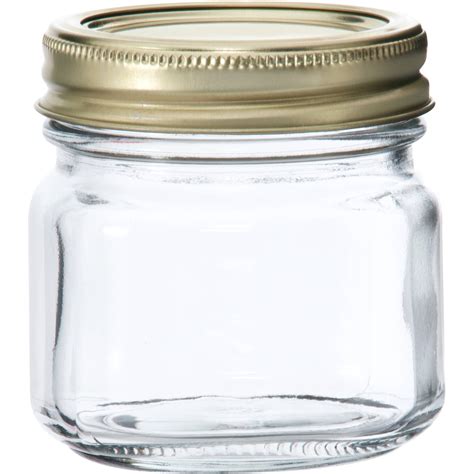
Water bath canning is ideal for high-acid foods like tomatoes, fruits, and vinegared pickles. Pressure canning is required for low-acid vegetables, meats, and soups. While requiring a bit more equipment and attention to safety protocols, canning allows you to create large batches of sauces, jams, jellies, and pickled vegetables that last for years.
Recipe Ideas for Common Pantry Staples
Let’s dive into some practical ideas for turning specific garden produce into everyday pantry items.
Tomato Sauce and Paste
Transform bushels of ripe tomatoes into rich pasta sauces, pizza sauces, and concentrated tomato paste. Cook them down, blend, season, and can or freeze them in jars or ice cube trays for easy portioning. Sundried tomatoes can also be made and stored in olive oil.

Vegetable Broth Concentrate
Don’t waste vegetable scraps! Onion skins, carrot peels, celery ends, herb stems, and other trimmings can be simmered to create a flavorful vegetable broth. Reduce it significantly to create a concentrated paste that can be frozen or even dehydrated into broth powder.
Fruit Leathers and Jams
Excess berries, apples, peaches, or plums are perfect for making fruit leathers or homemade jams and jellies. Fruit leathers are a healthy, portable snack for all ages, while jams add a touch of sweetness to breakfast or desserts. Use minimal sugar or natural sweeteners to keep them healthy.
Herb Blends and Infused Oils
Dry your herbs and create custom seasoning blends for rubs, marinades, or general cooking. Consider infusing olive oil with garlic, rosemary, chili, or other robust herbs for a gourmet touch (ensure proper storage to prevent botulism, especially with fresh garlic).
Tips for Zero-Waste Success
- Batch Cook & Preserve: Dedicate specific days to processing large quantities of produce to maximize efficiency.
- Invest in Reusables: Stock up on glass jars (Mason jars are excellent), reusable lids, and cloth bags.
- Label Everything: Clearly label your preserves with the item and date to keep your pantry organized and ensure freshness.
- Start Small: Don’t feel overwhelmed. Pick one or two preservation methods or recipes to start, then gradually expand your repertoire.
- Compost Scraps: Any inedible scraps from your processing can go into your compost pile, completing the zero-waste cycle back to your garden.
Embrace Your Homemade Pantry
Turning garden bounty into zero-waste pantry staples is a rewarding journey that connects you more deeply with your food, reduces your environmental footprint, and fills your home with the wholesome goodness of homemade provisions. With each jar of sauce, package of dried herbs, or fermenting crock, you’re not just preserving food; you’re cultivating a more sustainable, flavorful, and self-sufficient lifestyle. Get started today and savor the taste of your garden all year round!