



How to improve heavy clay soil for better vegetable garden yields?

Understanding the Challenges of Heavy Clay Soil
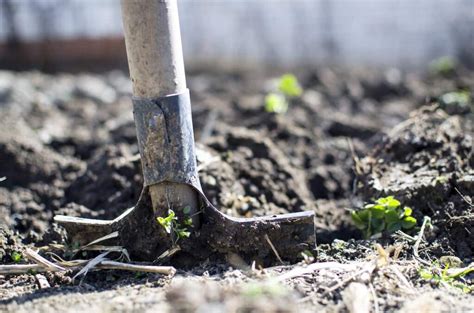
Heavy clay soil can be a gardener’s bane and blessing. While rich in nutrients, its dense, compact structure poses significant challenges for vegetable growth. Clay particles are tiny and stick together tightly, leading to poor drainage, slow warming in spring, and a tendency to become waterlogged or rock-hard when dry. This suffocates roots, hinders nutrient uptake, and makes cultivation difficult. However, with the right approach, even the most stubborn clay can be transformed into a productive garden.
The key to improving heavy clay lies in altering its physical structure to create larger pore spaces. This allows for better air circulation, water infiltration, and root penetration, fostering a healthier environment for your plants. It’s a long-term process, but the rewards—robust plants and abundant yields—are well worth the effort.
The Power of Organic Matter: Your Best Friend
Adding organic matter is by far the most effective and sustainable way to improve heavy clay soil. Organic materials act like microscopic sponges, loosening the soil structure, improving drainage, increasing aeration, and enhancing its ability to retain nutrients. As it decomposes, organic matter also feeds beneficial microorganisms, further improving soil health.
Compost: The Gold Standard
Regularly incorporating well-rotted compost is paramount. Aim to add a 2-4 inch layer of compost to your garden beds each spring and fall. Dig it into the top 6-12 inches of soil, or simply apply it as a top dressing. Over time, earthworms and other soil life will help work it deeper into the clay. Finished compost made from a variety of materials (leaves, grass clippings, kitchen scraps) provides a balanced mix of nutrients and excellent soil conditioning properties.
Aged Manure and Leaf Mold
Similarly, aged animal manure (cow, horse, chicken) is an excellent source of organic matter and nutrients. Ensure it is well-composted to avoid burning plants with high nitrogen content or introducing weed seeds. Leaf mold, created by composting fallen leaves, is another fantastic, free amendment that improves soil structure and water retention.
Cover Cropping: Nature’s Soil Builder
Planting cover crops (also known as green manures) in the off-season is a powerful strategy for improving clay soil. Crops like clover, vetch, rye, or buckwheat are sown in late summer or fall and tilled into the soil in spring before planting. Their root systems penetrate and break up compacted clay, while the plant material adds significant organic matter when incorporated, enriching the soil and preventing erosion.
Consider Raised Beds for Immediate Impact
If you’re facing particularly stubborn clay or desire faster results, raised garden beds offer an excellent solution. By building a raised structure and filling it with a custom mix of good quality topsoil, compost, and other amendments, you bypass the challenges of existing clay altogether. While not directly improving the underlying clay, it provides an immediate optimal growing environment and allows you to gradually work on improving the native soil around the beds.
Other Important Strategies for Clay Soil
Minimize Compaction
Avoid walking on your garden beds, especially when the soil is wet. Compaction is clay soil’s worst enemy, undoing all your hard work. Establish permanent pathways and use garden boards or stepping stones to distribute your weight when working in the beds. Double-digging can be beneficial for breaking up initial compaction, but it’s a strenuous one-time effort.
When to Consider Gypsum
Gypsum (calcium sulfate) can sometimes help improve the structure of sodic clay soils (those high in sodium). It causes tiny clay particles to clump together, creating larger aggregates and improving drainage. However, it’s not a universal fix and won’t help if your clay isn’t sodic. A soil test can determine if your soil would benefit from gypsum. Always consult local experts or perform a soil test before applying.
Mulching for Long-Term Health
Apply a 2-4 inch layer of organic mulch (shredded leaves, straw, wood chips) around your plants. Mulch helps regulate soil temperature, conserves moisture, suppresses weeds, and as it breaks down, contributes valuable organic matter to the soil surface, continually feeding the clay below.
Conclusion: Patience and Persistence Pay Off
Improving heavy clay soil is not a one-time project but an ongoing commitment. Each year, as you incorporate more organic matter, minimize compaction, and practice good gardening habits, you’ll notice a significant improvement in your soil’s texture, workability, and fertility. Your plants will thank you with stronger growth, healthier roots, and ultimately, better vegetable garden yields. Embrace the process, and you’ll transform challenging clay into a rich, vibrant foundation for your gardening success.