




How to find authentic local food & connect with villagers on rural trips?

Rural travel offers a profound escape from the well-trodden tourist paths, promising unique cultural insights, untouched natural beauty, and the chance to truly live like a local. Beyond scenic vistas, the heart of any authentic rural journey lies in its food and its people. This guide will equip you with strategies to unearth genuine culinary treasures and forge meaningful connections with the residents of the villages you visit, transforming your trip from a mere vacation into an unforgettable cultural immersion.

The Culinary Compass: Finding Authentic Local Food
The quest for authentic local cuisine is an adventure in itself. Forget chain restaurants and tourist traps; the real flavors are often found in the most unassuming places. The key is to blend in, observe, and engage with the local rhythm.
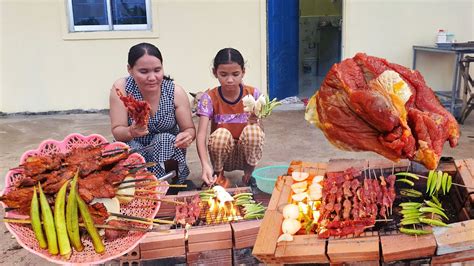
- Observe Where Locals Eat: The busiest street food stall or the packed, no-frills eatery tucked away from the main road is usually a good bet. Locals are the best critics and will naturally gravitate towards the best and most authentic flavors.
- Engage with Guesthouse Owners & Locals: Don’t be shy to ask for recommendations. They’ll know the hidden gems – the grandmother making the best stew or the family selling fresh produce from their farm. Their advice is invaluable.
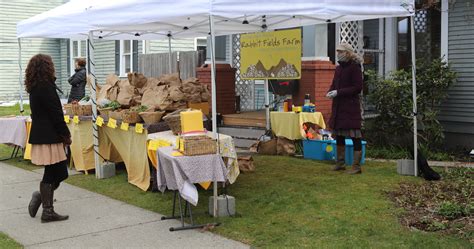
- Visit Local Markets: Farmers’ markets are a vibrant hub of local life and the best place to find fresh, seasonal ingredients. It’s also a fantastic opportunity to observe local produce, cooking traditions, and even sample ready-to-eat street food.
- Learn Basic Food Phrases: A simple “delicious!” (e.g., ‘delicioso’ in Spanish, ‘sedap’ in Malay) or asking “What is this?” in the local language can open doors and warm hearts, often leading to recommendations or even an invitation.
- Embrace the Unfamiliar: Be adventurous! Step out of your comfort zone and try dishes you’ve never heard of. You might discover a new favorite and gain a deeper appreciation for the local culinary heritage.

Beyond the Plate: Connecting with Villagers
True cultural immersion extends beyond tasting local dishes; it’s about connecting with the people who create and share them. Villagers often live lives rich in tradition and community, and many are eager to share their culture with respectful visitors.
- Show Genuine Interest: Ask questions about their lives, their traditions, or their craft. Listen actively and with an open mind. A simple “hello” and a smile go a long way in breaking the ice.
- Learn Basic Greetings: Even a few words in the local language – “hello,” “thank you,” “please” – can break down barriers and show immense respect. It demonstrates you’ve made an effort to connect on their terms.
- Participate in Local Activities: If there’s a village festival, a cooking class, a weaving workshop, or even just a communal gathering, inquire if it’s appropriate for you to join. These are prime opportunities for interaction and shared experiences.
- Support Local Businesses Directly: Buy handicrafts from local artisans, stay in locally-owned guesthouses, and eat at family-run eateries. This direct support helps the community thrive and often leads to more personal interactions and stories.
- Offer Small Gestures: Sometimes a small, thoughtful gift (if appropriate for the culture), or simply offering to help with a task (like carrying groceries), can forge unexpected bonds and show your appreciation.
- Be Patient and Respectful: Rural life often moves at a different pace. Be mindful of cultural nuances, local customs, and personal space. Always ask for permission before taking photos, especially of individuals.

Navigating Rural Roads: Practical Tips for a Deeper Dive
To truly unlock the magic of rural travel and facilitate these genuine interactions, a few practical considerations are key. Your preparedness and respect for local ways will enhance your experience and theirs.
- Dress Appropriately: Research local dress codes, especially when visiting religious sites or participating in community events. Modest attire is often appreciated and shows respect for local customs.
- Understand Local Etiquette: Be aware of gestures, greetings, and table manners that might differ from your own. A quick online search or asking your guesthouse host can provide valuable insights and prevent unintentional offenses.
- Be Patient and Flexible: Things might not always run on schedule, and plans can change. Embrace the slower pace and unexpected detours – they often lead to the most memorable experiences and genuine encounters.
- Travel Slowly: Resist the urge to rush from one place to another. Spending a few extra days in one village allows for deeper connections to form and gives you time to observe and participate in daily life rather than just passing through.
- Give Back Responsibly: Consider volunteering or supporting community projects if you feel a strong connection, but always ensure your efforts are genuinely helpful, sustainable, and not disruptive to local structures.

Embrace the Journey
Rural travel is an invitation to slow down, listen, learn, and truly connect. By seeking out authentic local food, showing genuine interest in the lives of villagers, and approaching your journey with an open heart and mind, you won’t just see a place – you’ll experience its soul. These are the moments that transform a trip into a rich tapestry of memories, stories, and friendships that will last long after you’ve returned home.