



What are the easiest heirloom vegetable seeds to save for next year’s country garden?
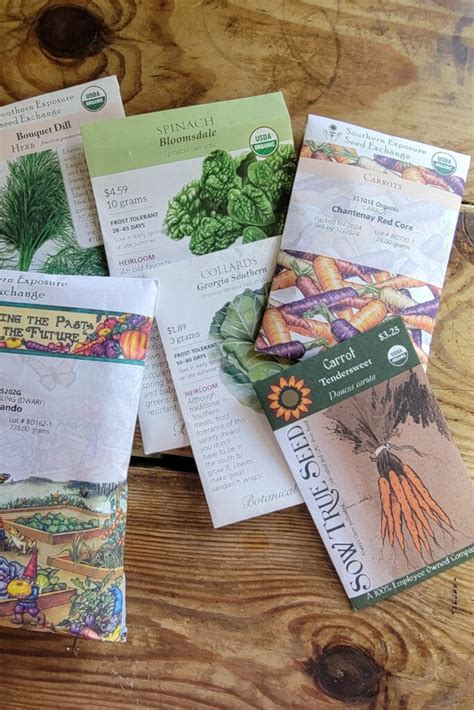
Embracing the tradition of saving heirloom vegetable seeds is a deeply rewarding practice for any country gardener. Not only does it connect you to generations of cultivators, but it also fosters self-sufficiency, preserves genetic diversity, and saves money. For those new to seed saving, selecting the right vegetables to start with can make all the difference, ensuring a successful and encouraging first experience. The goal is to choose varieties that are open-pollinated (essential for true-to-type offspring) and have straightforward seed collection and processing methods.
Why Save Heirloom Seeds?
Saving heirloom seeds allows you to cultivate vegetables that offer superior flavor, unique characteristics, and a strong connection to agricultural history. Unlike hybrid varieties, heirloom seeds produce plants identical to their parent, meaning you can reliably grow your favorite beans, tomatoes, or lettuce year after year. This practice significantly reduces gardening costs, eliminates the need to buy new seeds annually, and helps maintain biodiversity, supporting a more sustainable food system right from your backyard.
Beyond the practical benefits, there’s an immense satisfaction in knowing you’re preserving a living legacy. Each seed holds the genetic blueprint of a plant that has thrived, often for decades or even centuries, adapted to various climates and conditions. By saving these seeds, you become a steward of this natural heritage, ensuring these precious varieties continue to enrich our gardens and tables.
Key Traits for Easy Seed Saving
When selecting vegetables for easy seed saving, look for these crucial characteristics:
- Open-Pollinated (OP): This is non-negotiable. Only open-pollinated varieties will produce seeds that grow into plants true to the parent. Avoid F1 hybrids, as their seeds will not consistently reproduce the same plant.
- Self-Pollinating or Easy Isolation: Many plants self-pollinate, making seed saving simpler as there’s less risk of cross-pollination from other varieties. For plants that can cross-pollinate, like squash, you’d need to ensure adequate isolation distance or hand-pollinate, which adds complexity.
- Easy Seed Extraction and Cleaning: Some seeds, like those from legumes or peppers, are straightforward to harvest and clean. Others, especially those encased in fleshy fruits, might require more involved fermentation or drying processes.
- Reliable Seed Set: Choose plants that consistently produce a good quantity of viable seeds under typical garden conditions.
Top Heirloom Vegetables for Beginner Seed Savers
Based on these criteria, here are some of the easiest heirloom vegetable seeds for new gardeners to save:
1. Beans (Dry Varieties)
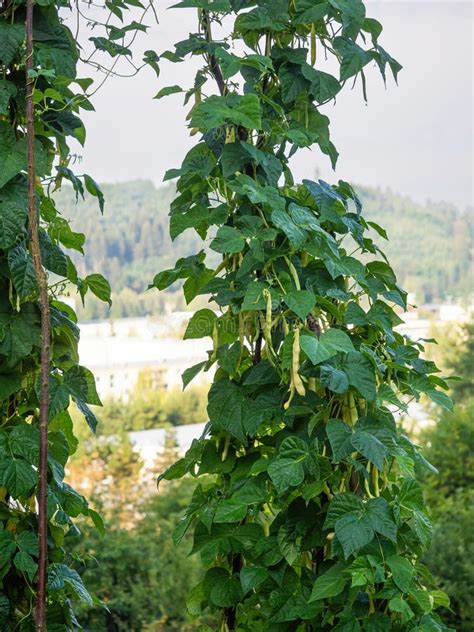
Beans are arguably one of the easiest seeds to save. Let the pods fully mature and dry on the plant until they are brittle and crunchy. The seeds inside should be hard and dry. Once harvested, shell the beans from their pods. Ensure they are completely dry before storing them in an airtight container in a cool, dark place. Common choices include ‘Kentucky Wonder’ pole beans or ‘Provider’ bush beans.
2. Peas (Dry Varieties)
Similar to beans, peas are incredibly simple. Allow the pea pods to yellow, shrivel, and become brittle on the vine. The peas inside should be hard. Harvest the dry pods, shell the peas, and ensure they are thoroughly dry. Store them as you would beans. Varieties like ‘Sugar Snap’ or ‘Green Arrow’ work wonderfully.
3. Lettuce
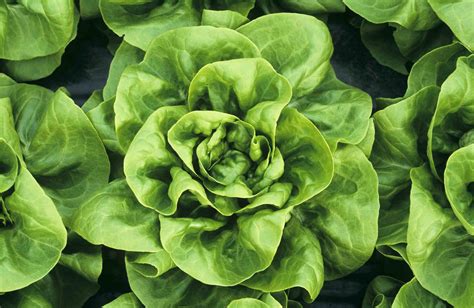
Lettuce is a self-pollinating plant, making it a great candidate. Allow a few plants to ‘bolt’ (send up a flower stalk) as the weather warms. The flowers will produce fluffy white seed heads, similar to dandelions. Once these turn fluffy and dry, gently rub them between your fingers to release the small seeds. You might need to shake the stalk into a paper bag. Separate the seeds from the chaff and store them. Try saving seeds from ‘Black Seeded Simpson’ or ‘Buttercrunch’.
4. Peppers
Peppers are another straightforward choice. Allow the peppers to fully ripen and change color on the plant, even past their eating stage for some varieties (e.g., a red bell pepper for seed should be very red, almost wrinkling). Slice open the pepper, scrape out the seeds, and spread them on a paper plate or screen to dry completely for several days in a well-ventilated area. Once dry, store them. Most open-pollinated bell peppers or ‘Jalapeño M’ are excellent for this.
5. Tomatoes
Tomatoes are self-pollinating and relatively easy, though they require a fermentation step to remove the gel coating around the seeds, which inhibits germination. Choose ripe, healthy tomatoes from your favorite open-pollinated variety (‘San Marzano’, ‘Brandywine’, ‘Cherokee Purple’). Squeeze the pulp and seeds into a jar with a little water. Cover loosely and let it sit for 2-3 days until a mold forms on top. This fermentation breaks down the gel. Skim off the mold, rinse the viable seeds at the bottom thoroughly, and spread them on a non-stick surface (glass, ceramic plate, coffee filter) to dry completely. Store when bone dry.
Basic Seed Saving Steps
- Harvest: Collect seeds from healthy, vigorous plants that exhibit desirable traits. Ensure the seeds are fully mature (often indicated by drying pods, fruits, or seed heads).
- Clean: Remove any chaff, pulp, or debris from the seeds. Dry seeds like beans and peas just need shelling. Fleshy fruits like tomatoes need fermentation and rinsing.
- Dry: This is critical for viability and preventing mold. Spread seeds in a single layer in a well-ventilated area away from direct sunlight. Ensure they are bone-dry before storage.
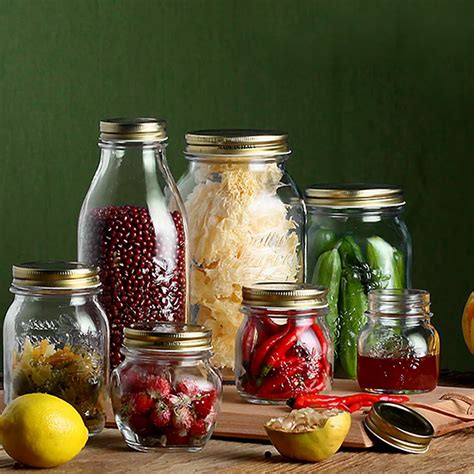
- Store: Place thoroughly dried seeds in airtight containers (glass jars, plastic bags) in a cool, dark, and dry location. Label clearly with the variety and date.
Tips for Success
- Label Everything: Immediately label your seeds with the variety, date, and any other relevant notes. This is crucial for organization.
- Isolate Varieties: If saving seeds from multiple varieties of the same species (e.g., different types of peppers), ensure they are isolated to prevent cross-pollination. This might mean planting them far apart or staggering planting times.
- Select Strong Parents: Always choose seeds from the healthiest, most productive plants that exhibit the traits you desire (e.g., disease resistance, good flavor, early production).
- Test Viability: Before planting a large batch, you can test a small sample of seeds for germination by placing them on a damp paper towel.
Conclusion
Starting your seed-saving journey with easy-to-manage heirloom vegetables like beans, peas, lettuce, peppers, and tomatoes will build your confidence and provide a tangible connection to your garden’s legacy. With a little patience and attention to detail, you’ll soon have a thriving seed bank, ready to sprout a new generation of delicious, time-tested produce in your country garden year after year. Happy gardening and happy saving!