

DIY root cellar shelving: Which wood prevents mold & pests best?
The Quest for Durable and Pest-Free Root Cellar Shelving
Building a root cellar is an excellent way to preserve your harvest, providing a cool, dark, and humid environment for vegetables and fruits. However, the very conditions that make a root cellar effective for food storage can also create an ideal breeding ground for mold, mildew, and pests if your shelving isn’t properly chosen. The material you use for your DIY root cellar shelves is critical, directly impacting the longevity of your produce and the overall hygiene of your storage space.
The primary challenge lies in selecting wood that naturally resists decay, repels insects, and can withstand consistent humidity without succumbing to rot. Beyond durability, food safety is paramount, meaning any chosen wood should not leach harmful chemicals into your stored provisions. This guide will explore the best wood options for your root cellar shelving, focusing on their natural defenses against common cellar adversaries.

Key Characteristics of Ideal Root Cellar Wood
Before diving into specific types, understanding what makes wood suitable for a root cellar environment is essential:
- Mold and Rot Resistance: The high humidity in a root cellar is a perfect environment for fungi. Wood with natural decay resistance is crucial.
- Pest Deterrence: Certain woods contain natural compounds or oils that repel insects and rodents, protecting your stored food.
- Durability and Strength: Shelves need to hold considerable weight. The wood must be strong enough to support your harvest for extended periods.
- Food Safety: It’s vital to use non-toxic wood. Avoid chemically treated lumber, as it can leach harmful substances.
- Moisture Stability: Wood that resists warping, shrinking, or swelling excessively in humid conditions will maintain structural integrity.
Top Wood Choices for Mold and Pest Prevention
Cedar: The Aromatic Defender
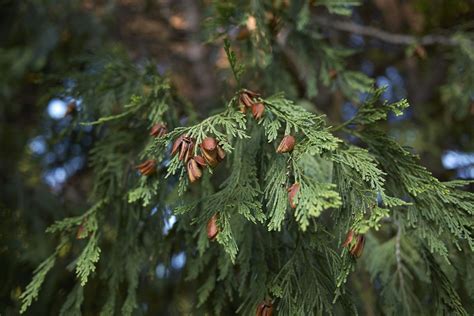
When it comes to natural resistance, cedar, particularly Western Red Cedar and Aromatic Cedar, consistently ranks at the top. Western Red Cedar is renowned for its exceptional natural resistance to rot, decay, and insect attacks due to its unique cellular structure and natural oils. It also handles moisture fluctuations well, making it less prone to warping.
Aromatic Cedar (often Eastern Red Cedar) is famous for its distinct scent, which acts as a natural insect repellent, particularly against moths and other pantry pests. While both are excellent choices, ensure good ventilation in your cellar if using a lot of aromatic cedar, as the strong smell could potentially transfer to very porous foods over long periods.
Redwood: A Resilient Giant
Similar to cedar, redwood boasts impressive natural resistance to decay and insects. Its inherent tannins and oils protect it from moisture and pests, making it a highly durable option for humid environments like root cellars. Redwood is also known for its stability and strength, capable of bearing heavy loads without issues. Its generally straight grain and softer nature make it relatively easy to work with for DIY projects.
Cypress: The Water-Resistant Wonder
Cypress is another excellent contender, particularly for high-humidity applications. Often found in wetlands, cypress trees develop a natural resistance to water and rot. Its heartwood contains cypressene, an oil that provides significant protection against decay and insect infestation. Cypress is stable, strong, and handles the fluctuating conditions of a root cellar very well.

White Oak: Sturdy and Subtle Resistance
While not as overtly aromatic as cedar or redwood, white oak possesses good natural resistance to rot and insects, primarily due to its dense cellular structure and high tannin content. Unlike red oak, white oak’s pores are often plugged with tyloses, making it more impermeable to water and thus more resistant to decay. It’s a very strong and durable wood, ideal for heavy shelving, though it can be more expensive and harder to work with than the softer options.
Woods to Approach with Caution (or Avoid Entirely)
- Treated Lumber: Absolutely avoid pressure-treated wood for root cellar shelving. The chemicals used (e.g., chromated copper arsenate – CCA, micronized copper azole – MCA) are toxic and can leach into your food, making it unsafe for consumption.
- Untreated Softwoods (Pine, Spruce, Fir): While readily available and affordable, these woods have very low natural resistance to rot and insects. They will quickly deteriorate in a humid root cellar unless sealed meticulously with food-safe sealants, which adds cost and maintenance. If you must use them, consider charring (Shou Sugi Ban technique) for enhanced resistance, or ensure very good air circulation and low humidity.
Preparation and Maintenance for Longevity
Even with the best wood choices, proper preparation and ongoing maintenance are crucial:
- Airflow is Key: Design your shelving with gaps between slats and away from walls to ensure maximum air circulation. This helps prevent moisture buildup and discourages mold growth.
- Food-Safe Finish (Optional): Most naturally resistant woods like cedar, redwood, and cypress can be left unfinished. If you feel a finish is necessary, opt for food-grade mineral oil, tung oil, or linseed oil (ensure it’s pure, not boiled linseed oil which often contains chemical dryers). These will offer some protection without toxicity.
- Regular Cleaning: Periodically wipe down your shelves with a diluted vinegar solution or mild, food-safe cleaner to remove any dust, soil, or early signs of mold.
- Monitor Humidity: While root cellars are humid, excessive, stagnant humidity can still be problematic. Ensure your root cellar has adequate ventilation to allow for some air exchange.

Conclusion: Building for Success
Selecting the right wood for your DIY root cellar shelving is a foundational step in creating an effective and safe food storage solution. By opting for naturally resistant woods like cedar, redwood, or cypress, you significantly reduce the risk of mold and pest infestations, ensuring your hard-earned harvest remains fresh and healthy for as long as possible. Combine these wood choices with smart design and diligent maintenance, and your root cellar will serve you well for years to come.