




Secret to tender stew meat from tough cuts?

Unlocking Tenderness: Transforming Tough Cuts into Melt-in-Your-Mouth Stew
There’s nothing quite as comforting as a hearty stew, but encountering chewy, tough meat can quickly spoil the experience. Many home cooks shy away from economical “tough” cuts like chuck, round, or shank, fearing an unpalatable outcome. However, these cuts are actually ideal for stewing, possessing deep flavor and a secret potential for incredible tenderness – you just need to know the right techniques to unlock it.

The Science Behind the Suppleness: Collagen and Connective Tissue
The secret lies in understanding what makes these cuts tough: a high concentration of connective tissue, primarily collagen. Unlike leaner, more tender cuts, collagen is abundant in muscles that get a lot of exercise. When cooked quickly or incorrectly, collagen tightens, making the meat tough. But when subjected to low, slow heat over an extended period in a moist environment, this collagen breaks down and melts into gelatin. This gelatin enriches the liquid, adds body to the stew, and, most importantly, lubricates the muscle fibers, resulting in that coveted fall-apart tender texture.
The Golden Rule: Low and Slow Cooking
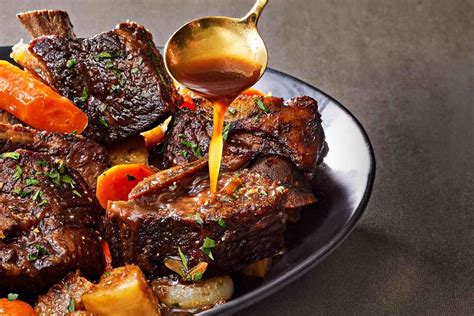
This is arguably the most crucial step. Whether you’re using a Dutch oven, slow cooker, or pressure cooker, the principle remains the same: cook at a low temperature for a long duration. For traditional stewing, this means simmering gently, not boiling vigorously, for several hours until the meat can be easily shredded with a fork. Pressure cookers achieve a similar effect much faster by raising the boiling point and accelerating the collagen breakdown.
Pre-Treatment Prowess: Marinating and Brining
While low and slow cooking is paramount, certain pre-treatments can give your meat a head start:
- Marinating: Acidic marinades (vinegar, wine, citrus juice, yogurt) help to slightly denature proteins and tenderize the outer layers of the meat before cooking. Enzymes found in fruits like pineapple or papaya are potent tenderizers, but use them sparingly as they can turn meat mushy if left too long.
- Salting/Brining: Salting meat hours or even a day before cooking can help it retain moisture and break down some muscle fibers, leading to a more tender result.
Browning, Braising, and Building Flavor
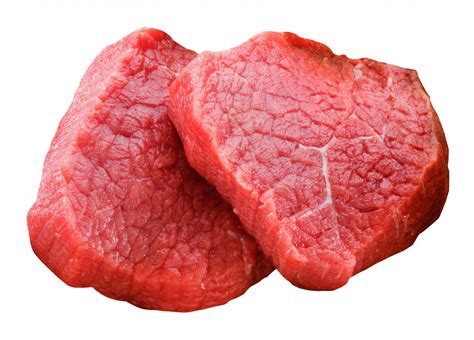
Don’t skip browning your meat before adding liquids. Searing the cubes develops a rich, complex flavor through the Maillard reaction, which is essential for a deep-tasting stew. After browning, deglaze the pot with liquid (wine, broth, water) to capture all those flavorful bits. Then, ensure your meat is mostly submerged in liquid – this is the braising environment where the magic happens. Incorporating acidic ingredients like diced tomatoes, tomato paste, or wine into your braising liquid also aids in breaking down collagen.
Patience is a Virtue: The Final Touch
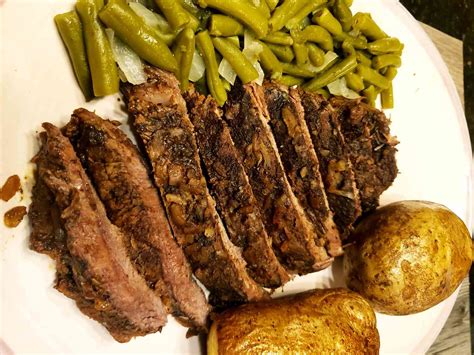
Resist the urge to rush. Stew meat reaches its peak tenderness only after sufficient cooking time. You’ll know it’s ready when it offers almost no resistance to a fork. Once cooked, allowing the stew to rest briefly off the heat can also help the juices redistribute, leading to a more uniformly tender bite. Often, stews taste even better the next day, as flavors meld and the meat continues to soften.

Embrace the Tough Cuts
With these techniques, you’ll no longer fear those less expensive, tougher cuts. Instead, you’ll see them as opportunities to create incredibly flavorful and wonderfully tender stews that are truly worth the wait. So, grab your chuck roast, prepare your aromatics, and get ready to transform your kitchen into a haven of culinary comfort.