


How to naturally thicken gravy in a country-style pot roast recipe without cornstarch?

Why Avoid Cornstarch for Pot Roast Gravy?
While cornstarch is a quick and efficient thickener, some home cooks prefer to avoid it for various reasons. It can sometimes impart a slightly glossy finish or a distinctive texture that doesn’t quite fit the rustic, hearty profile of a country-style pot roast. Opting for natural alternatives not only provides a desired consistency but often contributes a deeper, more integrated flavor to your gravy, making it truly shine alongside your tender meat and vegetables.

The Classic Flour Roux Method
A roux is a fundamental thickening agent in classical cooking and works wonderfully for pot roast gravy. It’s a simple mixture of fat (often the drippings from your roast) and flour, cooked together to form a paste before liquid is added. For a pot roast, after removing the meat and vegetables from the pot, you can use the rendered fat. If there isn’t enough fat, add a tablespoon or two of butter or oil.
For every cup of liquid you want to thicken, you’ll need about 1 tablespoon of fat and 1 tablespoon of all-purpose flour. Heat the fat in the pot over medium heat, then whisk in the flour. Cook, stirring constantly, for 1-2 minutes for a light roux, or longer for a darker, nuttier flavor (up to 5 minutes). Gradually whisk in your simmering pot roast liquid, ensuring no lumps form. Continue to simmer and whisk until the gravy thickens to your desired consistency.
Reducing the Pan Juices for Intense Flavor
Sometimes, the simplest method is the best. Reduction concentrates flavors and naturally thickens liquids. After removing the meat and vegetables, pour off most of the excess fat from the pot, leaving behind the rich pan drippings and browned bits (fond). Add a cup or two of beef broth, red wine, or even water to deglaze the pot, scraping up all those flavorful bits from the bottom.
Bring the liquid to a simmer over medium-high heat and let it gently boil, uncovered, stirring occasionally. As the water evaporates, the natural gelatins from the meat and the concentrated solids will thicken the gravy, creating an incredibly flavorful and naturally rich sauce. This method is fantastic if your pot roast already yielded a good amount of flavorful liquid.
Mashed Vegetables: A Rustic Thickener
One of the most authentic country-style ways to thicken gravy is by incorporating some of the cooked vegetables directly into the sauce. This adds body, nutrients, and a wonderfully rustic texture. Towards the end of the pot roast cooking, remove a few pieces of carrots, potatoes, or onions that have cooked down to tenderness.
Mash them thoroughly with a fork, potato masher, or even blend them with a little liquid until smooth. Stir these mashed vegetables back into the gravy, whisking them in until they are fully incorporated. The starches in the vegetables will naturally thicken the gravy, and their flavor will meld seamlessly with the existing pot roast juices. This method works exceptionally well if you don’t mind a slightly textured gravy.
Arrowroot Powder or Tapioca Flour
If you need a slightly quicker thickening method than a roux or reduction but still want to avoid cornstarch, arrowroot powder and tapioca flour are excellent gluten-free alternatives. They behave similarly to cornstarch but can offer a clearer, glossier finish and are often preferred for their ability to withstand longer cooking times without breaking down as easily as cornstarch.
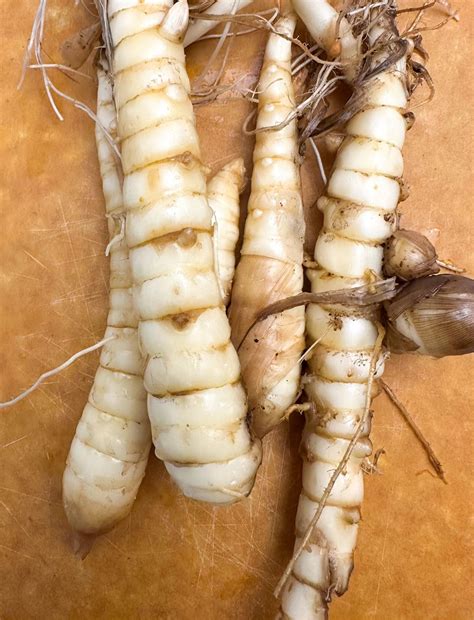
To use either, create a slurry by whisking 1 tablespoon of arrowroot powder or tapioca flour with 2 tablespoons of cold water or broth until smooth. Slowly whisk this slurry into your simmering gravy. Continue to simmer and stir for just a minute or two until the gravy thickens. Be careful not to overcook, especially with arrowroot, as prolonged boiling can cause it to lose some of its thickening power.
Tips for Perfect Gravy
- Skim the Fat: Regardless of your chosen method, always skim off excess fat from the top of your pan drippings for a cleaner, richer-tasting gravy.
- Season Gradually: Taste your gravy as you thicken it. Reduction will concentrate flavors, so add salt and pepper towards the end to avoid over-seasoning.
- Strain for Smoothness: If you prefer a completely smooth gravy, strain it through a fine-mesh sieve after thickening. This is especially useful if using the reduction or mashed vegetable methods.
- Low and Slow: Patience is key. Natural thickening often takes a bit more time than cornstarch, but the depth of flavor is worth it.
Embracing these natural thickening methods ensures your country-style pot roast gravy is not just thick, but also incredibly flavorful, perfectly complementing the rich, savory meat and vegetables.