

What BTS tips help show the real, messy side of homestead food prep without deterring readers?

Embracing the Reality of Homestead Food Prep
Homesteading content often paints an idyllic picture: neatly organized pantries, perfectly preserved jars, and pristine, rustic kitchens. While aspirational, this curated image can sometimes feel intimidating or even inauthentic to those grappling with the realities of large-scale food preparation. The truth is, processing a bountiful harvest, butchering meat, or baking sourdough in bulk often involves a generous amount of beautiful chaos, a flurry of flour, vegetable scraps, and sticky counters. The challenge for content creators is to reveal this real, messy side without deterring an audience seeking inspiration.
Showing the ‘behind the scenes’ (BTS) can build stronger connections and foster a more relatable community. It demystifies the process, making homesteading feel achievable even for beginners who might be put off by what appears to be flawless execution. Authenticity breeds trust and encourages engagement, proving that perfection is not a prerequisite for a fulfilling homesteading journey.

Why Show the Mess? The Power of Authenticity
In an age of highly filtered content, viewers crave genuine experiences. When you share the reality of your homestead kitchen – the flour dust on the floor, the pile of peelings waiting for the compost, or the multiple cutting boards in use – you’re offering transparency. This vulnerability makes your content more compelling and trustworthy. It demonstrates that you’re a real person tackling real tasks, facing similar challenges to your audience, which in turn fosters a stronger sense of community and relatability.
This approach also serves an educational purpose. By showing the full process, including the less glamorous parts, you give a complete picture of the effort and dedication involved. It helps set realistic expectations for newcomers, encouraging them to start where they are rather than waiting for an ‘ideal’ setup that may never materialize.
Strategic Storytelling: From Chaos to Charm
1. Focus on the Process, Not Just the Plate
Instead of just showcasing the final, beautifully jarred product, document the journey. Show the overflowing baskets of tomatoes waiting to be processed, the steaming pots, the tools laid out, and the hands-on labor. Explain *why* things look a certain way at a certain stage. For instance, a chaotic countertop might be the result of a highly efficient assembly line for canning pickles – an organized chaos with a purpose.
2. Highlight the ‘Why’ Behind the Wild
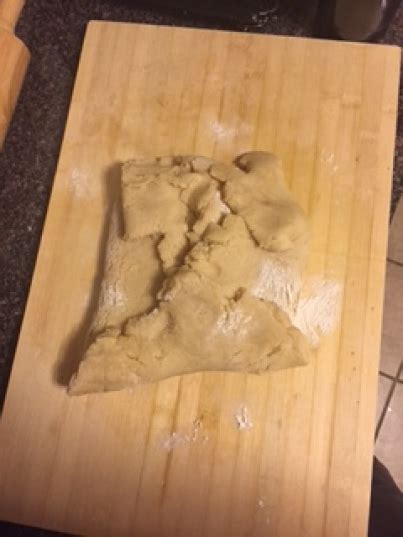
Often, the messiest periods of food prep are a direct result of abundance or efficiency. Are you making 50 loaves of bread? Show the mountain of dough, the flour everywhere, and then explain the satisfaction of a stocked freezer. Are you preserving an entire season’s garden? Show the sheer volume of produce and the multiple steps involved. This context transforms potential ‘deterrents’ into impressive feats of self-sufficiency.
3. Embrace the ‘Oops!’ with Humor
Did a jar shatter? Did a batch of sourdough fall flat? Did you accidentally double the salt? Share these moments with a touch of self-deprecating humor. These relatable mishaps show your humanity and teach valuable lessons. Your audience will appreciate the honesty and learn from your experience, realizing that even seasoned homesteaders make mistakes.
Visual & Narrative Techniques for Gentle Honesty
Visual Tip: The “Swept Path” Effect
Even in a busy kitchen, you can create visual focal points. Use your camera to highlight the specific task at hand – perhaps a close-up of hands chopping, or perfectly diced vegetables in a bowl – while allowing the background to show the controlled mess. This technique gives a glimpse of reality without making the entire scene overwhelming.
Visual Tip: Before & After (Realistic Version)
Show a quick sequence: the initial chaos, a few key process shots, and then the eventual tidying up or the satisfying array of finished products. This narrative arc provides closure and demonstrates that the mess is temporary, leading to a rewarding outcome.
Narrative Tip: Use Self-Deprecating Humor
When narrating, embrace the humor in the situation. Phrases like, “My kitchen looks like a flour bomb exploded, but at least we’ll have bread for weeks!” or “Don’t mind the chaos, this is the symphony of a full freezer” can reframe the perceived mess as part of the authentic homesteading experience.

Narrative Tip: Offer Solutions/Context
If you’re showing a particularly messy process, briefly mention how you manage it. “This is when I pull out my dedicated preserving towels,” or “I usually clean as I go, but today was an exception because I needed to get these peaches canned before they turned!” This adds value and shows you’re still in control.
What to Avoid: The Line Between Real and Repulsive
While authenticity is key, there’s a line. Always prioritize hygiene and safety. Avoid showing genuinely unsanitary conditions, cross-contamination, or anything that could be perceived as unhealthy. The goal is ‘messy but productive,’ not ‘dirty and neglectful.’ Readers are looking for relatability, not reasons to question your food safety practices.
Additionally, avoid dwelling excessively on negative aspects without a positive spin or solution. The overarching tone should still be one of passion, hard work, and the rewards of homesteading. The mess is simply part of the journey, not the focus of the despair.

The Benefits of Being Real
By skillfully showcasing the real, messy side of homestead food prep, you not only create more engaging and trustworthy content but also inspire others. You demonstrate that homesteading isn’t just for the impeccably organized; it’s for anyone willing to roll up their sleeves and get a little (or a lot) messy. This approach builds a resilient community, empowers aspiring homesteaders, and celebrates the genuine labor of love that goes into nourishing your family from scratch.

Conclusion: Celebrating the Beautiful Chaos
The true essence of homesteading often lies in its beautiful, productive chaos. By using strategic BTS tips – focusing on process, sharing the ‘why,’ embracing humor, and employing clever visual and narrative techniques – content creators can effectively reveal the real, messy side of food prep. This approach builds a deeper connection with your audience, inspires realistic action, and ultimately makes your homesteading journey even more compelling and relatable.