



What are simple DIY ways to reduce household waste on a country homestead?

Embracing the Homestead Ethos: Waste Reduction
Life on a country homestead often means a closer connection to the land and a desire for self-sufficiency. This ethos naturally extends to managing household waste, where simple DIY methods can dramatically reduce your environmental footprint and even save resources. Far from urban recycling facilities, homesteaders have a unique opportunity to get creative and implement sustainable practices that benefit both their property and the planet.
The Power of Composting: From Scraps to Soil
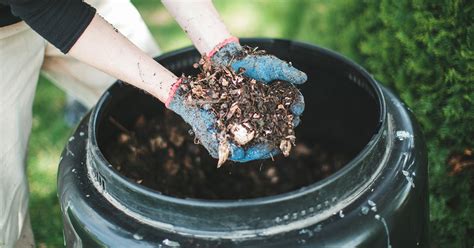
One of the most effective and easiest ways to reduce waste on a homestead is through composting. Food scraps, garden trimmings, leaves, and even cardboard can all be transformed into rich, nutrient-dense soil for your garden. Start with a simple pile in a corner of your yard, or invest in a compost bin. Maintain a good balance of ‘greens’ (nitrogen-rich items like food scraps) and ‘browns’ (carbon-rich items like dry leaves and straw), and turn the pile regularly to aerate it. Not only does this divert significant waste from landfills, but it also enriches your garden naturally, reducing the need for chemical fertilizers.
Beyond traditional composting, consider a worm farm (vermicomposting) for an even faster breakdown of kitchen scraps, especially if you have limited space or want to process waste indoors during colder months. Worm castings are a superfood for plants!
Repurpose and Upcycle: Giving New Life to Old Things
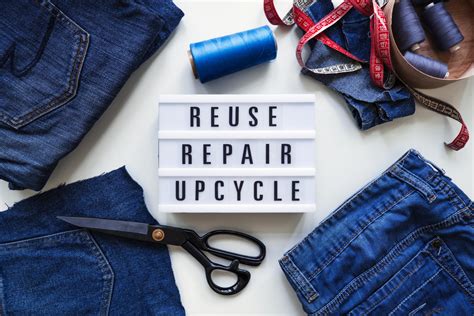
Before tossing something out, ask yourself if it can be repurposed or upcycled. Old tires can become planters or even a base for a chicken coop. Glass jars are perfect for food storage, canning, or organizing screws in the workshop. Wooden pallets can be dismantled and used for raised garden beds, furniture, or fencing. Fabric scraps can become rags, quilts, or stuffing. This mindset not only reduces waste but also fosters creativity and self-reliance, aligning perfectly with the homestead spirit.
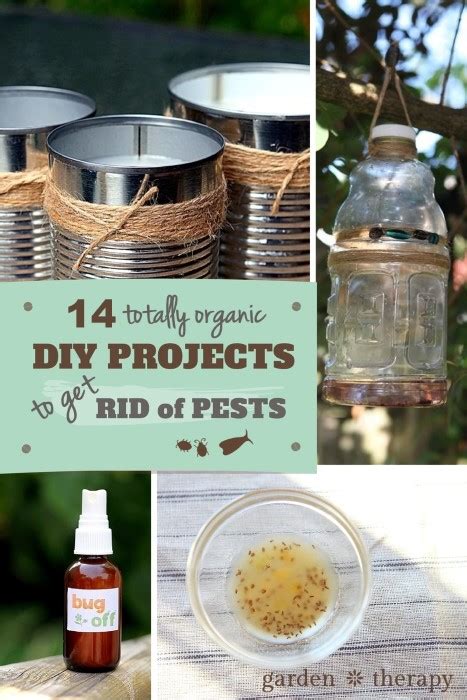
Think about packaging too. Can plastic containers be used for seed starting? Can metal cans become tool caddies or decorative lanterns? The possibilities are endless when you view waste as a resource waiting for a new purpose.
Mindful Consumption: Reduce Before You Reuse
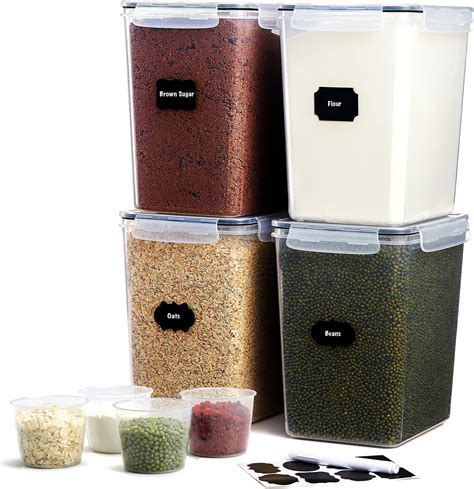
The ultimate waste reduction strategy is to prevent it from entering your home in the first place. Prioritize buying in bulk when possible, using reusable bags and containers to minimize packaging waste. For example, buying grains, flour, and dried beans in large quantities can drastically cut down on single-use plastic. Consider making your own staples like bread, yogurt, cleaning supplies, and even personal care products. This not only reduces packaging but also gives you control over ingredients and often saves money.
Grow your own food! A thriving vegetable garden and fruit trees are perhaps the most direct way to reduce food waste packaging and transport. Preserve your harvest through canning, freezing, or dehydrating to enjoy local produce year-round and avoid store-bought alternatives.

Beyond the Bin: Smart Waste Management
Even with diligent composting and repurposing, some waste will remain. For items that absolutely cannot be reused or composted, research local recycling options, even if they’re a drive away. Sometimes community collection points or specific drop-off days are available. For items like electronics or hazardous waste, plan periodic trips to specialized facilities. Conduct a “waste audit” regularly – examine what’s in your trash can to identify patterns and new opportunities for reduction. Are you consistently throwing away a certain type of plastic? Can you find an alternative product or source?

Conclusion: A Sustainable Homestead Awaits
Reducing household waste on a country homestead is an ongoing journey, but one filled with rewarding outcomes. By embracing simple DIY practices like composting, creative repurposing, mindful consumption, and smart waste management, you’ll not only lighten your environmental load but also cultivate a more self-sufficient and sustainable way of life. Every small step contributes to a greener, cleaner homestead and a healthier planet.