


How to get picky eaters to enjoy real garden food?

Encouraging picky eaters to embrace the bounty of a home garden can feel like an uphill battle. Yet, connecting children with where their food comes from is one of the most powerful ways to foster a lifelong love for fresh, healthy produce. It transforms vegetables from mysterious, unappealing items on a plate into exciting discoveries they helped create. The journey from seed to table offers invaluable lessons and creates positive associations with food.
Cultivating Curiosity: Involve Them in the Garden
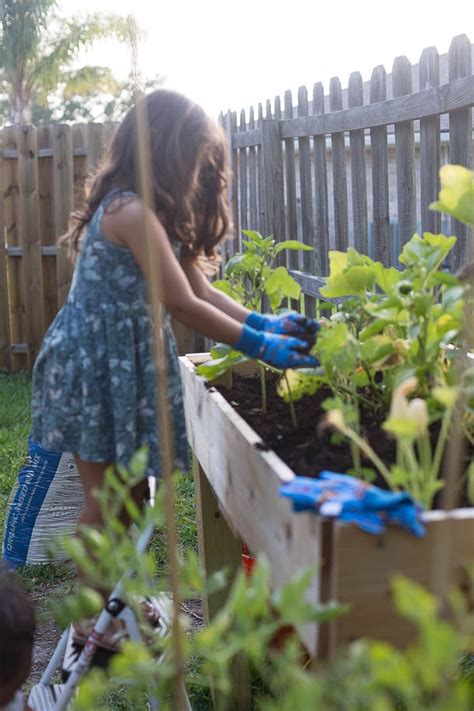
One of the most effective strategies is to get children involved in the gardening process from start to finish. When kids plant the seeds, water the sprouts, and watch the plants grow, they develop a sense of ownership and curiosity. They’re more likely to try something they’ve invested time and effort into. Let them choose a few easy-to-grow vegetables, like cherry tomatoes, snap peas, or strawberries, and give them their own small plot or container to tend.

This hands-on experience demystifies food and turns eating into an adventure. Harvesting their own ripe produce is a particularly rewarding moment, often leading to immediate taste tests right there in the garden. The freshness and flavor of just-picked food can be a revelation, even for the most discerning palates.
Make Food Fun: Creative Presentation and Play
Once the harvest is in, presentation can make all the difference. Turn vegetables into fun shapes with cookie cutters, arrange them into faces or scenes on a plate, or create colorful “rainbow” platters. Give garden vegetables whimsical names – “super strength spinach,” “bunny crunch carrots,” or “dragon scales zucchini” – to pique their interest.

Incorporate taste tests where they can describe the flavors and textures. Blindfolded taste tests can also be a fun way to challenge preconceived notions. Remember, repeated exposure is key; it can take many tries before a child accepts a new food. Don’t force them, but keep offering in a no-pressure environment.
From Garden to Kitchen: Cooking Together
Bring the garden experience into the kitchen by cooking together. Even very young children can help wash vegetables, tear lettuce, or stir ingredients. Older children can chop (with supervision), measure, and follow simple recipes. When children participate in preparing a meal, they are far more likely to eat it, taking pride in their culinary contributions.

Start with simple recipes that highlight the fresh flavors of your garden bounty, such as a fresh garden salad, roasted vegetables, or a homemade pizza topped with their favorite garden picks. Empowering them with choices – “Do you want to add these tomatoes or these peppers to the pasta?” – also increases their willingness to eat.
Leading by Example and Embracing Patience
Children are excellent imitators, so parents and caregivers eating a wide variety of garden foods with enthusiasm is crucial. Make meal times positive, family experiences where everyone enjoys the same healthy foods. Avoid making separate meals for picky eaters, as this can reinforce their habits.

Patience is paramount. It’s okay if they don’t love everything immediately. Continue to offer a variety of garden foods without pressure. Sometimes, simply having the food available and seeing others enjoy it is enough to spark curiosity over time. Celebrate small victories, like trying one bite, and focus on the positive aspects of healthy eating rather than any struggles.
Exploring and Learning: Beyond Your Backyard
Expand their understanding of food by visiting local farmers’ markets, community gardens, or even a pick-your-own farm. Talk about where different foods come from and how they benefit our bodies. Read books about gardening and healthy eating. The more they learn about the journey and benefits of real food, the more likely they are to appreciate and enjoy it.

Ultimately, fostering a love for garden food in picky eaters is about creating positive experiences, building connections, and maintaining a patient, supportive approach. By involving them in the process, making food fun, cooking together, and leading by example, you can transform mealtime struggles into opportunities for growth, discovery, and delicious healthy eating for the whole family.