



How to cook perfect cast iron cornbread with a crispy crust?
Unlock the Secret to Perfect Cast Iron Cornbread
There’s nothing quite like a warm slice of cornbread, especially when it boasts a golden, crispy crust and a tender, fluffy interior. While many methods exist, cooking cornbread in a cast iron skillet is the undisputed champion for achieving that coveted crunch. If you’ve struggled to get that perfect crust, fear not – we’re about to unveil the techniques that will elevate your cornbread game to legendary status.

Why Cast Iron is Your Cornbread’s Best Friend
The magic of cast iron lies in its exceptional heat retention and even heat distribution. Unlike other bakeware, a well-seasoned cast iron skillet gets incredibly hot and stays hot, creating a searing surface that instantly begins to crisp the batter upon contact. This high, consistent heat is the secret weapon behind that deeply browned, shatteringly crisp crust we all crave.
Preheating is Paramount
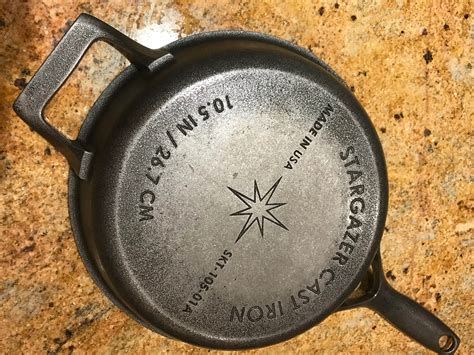
The single most crucial step for a crispy crust is preheating your cast iron skillet. Don’t just preheat the oven; place your empty cast iron skillet inside the oven as it preheats. This allows the skillet to get uniformly screaming hot. A common temperature for cornbread is 400-425°F (200-220°C).
The Right Fat Makes All the Difference
Once your skillet is piping hot, the next vital ingredient for crispiness is the fat. A generous tablespoon or two of bacon grease or a neutral high-smoke-point oil (like vegetable or canola) is essential. Remove the hot skillet from the oven, add the fat, and swirl it around to coat the bottom and sides thoroughly. The fat should shimmer and be very hot, almost smoking, but not burning.
This hot fat creates a protective, non-stick layer and fries the outside of the cornbread batter as it contributes significantly to the crispy texture.
Crafting the Perfect Cornbread Batter
While the skillet and fat do much of the heavy lifting for the crust, a good batter ensures a tender crumb. Here are a few tips:
- Quality Cornmeal: Use a good quality stone-ground cornmeal for the best flavor and texture. Yellow or white cornmeal works equally well.
- Buttermilk: Many traditional recipes call for buttermilk, which reacts with baking soda to create a light, tender crumb.
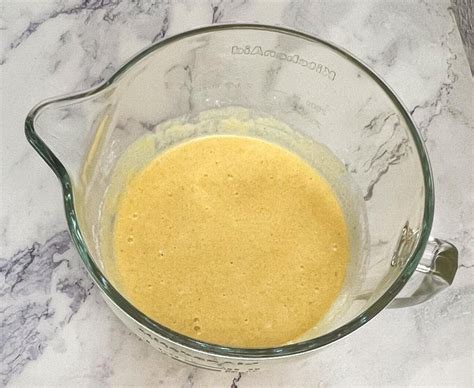
- Don’t Overmix: Mix your dry ingredients, then mix your wet ingredients, and finally, combine them with just a few stirs until barely moistened. Lumps are okay! Overmixing develops gluten, leading to tough cornbread.
The Hot Pour and Baking Process
Once your batter is ready and your skillet with hot fat is waiting, quickly pour the batter into the hot skillet. You should hear a satisfying sizzle as the batter hits the hot fat. Spread it evenly if needed, but work fast before the skillet cools down too much.

Immediately return the skillet to the preheated oven. Bake at 400-425°F (200-220°C) for 20-25 minutes, or until the top is golden brown and a wooden skewer inserted into the center comes out clean. The cooking time can vary based on your oven and the thickness of your cornbread.
Tips for a Flawless Finish
- Check for Doneness: Besides the skewer test, the edges of the cornbread should pull away slightly from the sides of the skillet.
- Cooling: Once baked, immediately invert the cornbread onto a cooling rack. This prevents the bottom from steaming and becoming soggy. The crispy crust will be fully exposed to air, maintaining its crunch.
- Serve Warm: Cornbread is best served warm, straight from the oven. Slather it with butter, a drizzle of honey, or serve alongside your favorite chili or greens.

Mastering cast iron cornbread with a crispy crust is a culinary triumph that’s well within your reach. By following these simple yet crucial steps – preheating the skillet, using hot fat, and avoiding overmixing – you’ll be baking perfect, unforgettable cornbread every time. Get ready to impress your family and friends with this timeless comfort food!