



How to preserve a big garden harvest for real food recipes all winter?
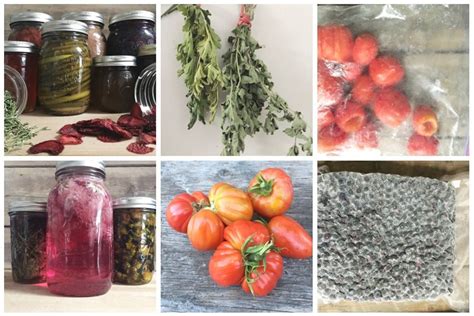
The bounty of a thriving garden is one of life’s purest joys, but a significant harvest often brings with it the delightful challenge of preservation. How do you ensure that the vibrant flavors and wholesome goodness you’ve cultivated can nourish your family through the lean winter months? The secret lies in a multi-faceted approach to food preservation, transforming your summer abundance into a pantry stocked for real food recipes all winter long.
Freezing: The Go-To for Freshness
Freezing is arguably the simplest and most accessible method for preserving a wide variety of garden produce. From blanched green beans and corn kernels to pureed pumpkin and berries, freezing locks in nutrients and flavor with minimal effort. Vegetables like broccoli, cauliflower, peas, and spinach benefit from a quick blanching before freezing to maintain color and texture. Fruits can often be frozen raw, either whole or sliced, perfect for smoothies, pies, or sauces.
Proper preparation is key: wash, chop, blanch if necessary, cool rapidly, and then package in airtight containers or freezer bags, removing as much air as possible to prevent freezer burn. Labeling with the date and contents will save you headaches later in the season.

Canning: Shelf-Stable Goodness
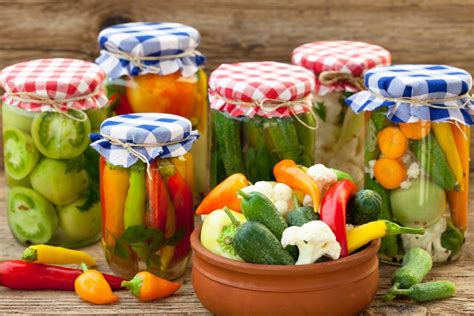
For truly shelf-stable storage, canning is a time-honored tradition. This method uses heat to seal food in jars, creating a vacuum that prevents spoilage. There are two primary canning methods: water bath canning for high-acid foods (fruits, pickles, jams, jellies, tomatoes with added acid) and pressure canning for low-acid foods (most vegetables, meats, and mixed recipes like soups). Pressure canning is critical for low-acid foods to eliminate the risk of botulism.
Canning requires careful attention to detail, proper sterilization of jars, and adherence to tested recipes. The rewards, however, are immense: a pantry full of beautifully preserved ingredients ready to be incorporated into hearty winter meals, from stewed tomatoes and pickled cucumbers to peach preserves and dilly beans.
Dehydrating: Concentrating Flavor
Dehydration removes water content from food, inhibiting microbial growth and concentrating flavors. This method is excellent for herbs, fruits (think apple rings, fruit leather), and many vegetables (onions, peppers, carrots, zucchini slices for chips or soup mixes). Dehydrated foods take up significantly less storage space and are lightweight, making them perfect for backpacking meals or quick additions to dishes.

A food dehydrator provides the most consistent results, but you can also use an oven on its lowest setting with the door ajar, or even sun-dry in hot, dry climates. Ensure foods are dried thoroughly until brittle or leathery, then store in airtight containers away from light and heat.
Root Cellaring and Cold Storage: Nature’s Refrigerator
Some garden staples, particularly root vegetables and certain fruits, thrive in cool, dark, and humid conditions without any processing. Potatoes, carrots, beets, parsnips, turnips, and apples can be stored for months in a proper root cellar, unheated basement, or even a cool garage. The ideal conditions usually involve temperatures between 32-50°F (0-10°C) and high humidity (around 85-95%).
Before storing, ensure produce is clean, dry, and free from bruises or blemishes. Wrap some items like carrots or beets in damp sand, sawdust, or peat moss to maintain humidity, or simply place them in perforated plastic bags. Regular checks are important to remove any spoilage and prevent it from spreading.
Fermentation: Live Food, Bold Flavors
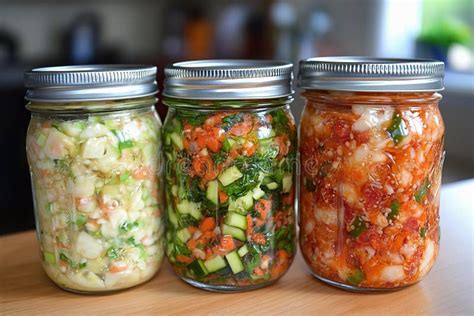
Fermentation is an ancient preservation technique that not only extends the life of food but also enhances its nutritional value and introduces complex flavors. Lactic acid fermentation, commonly used for making sauerkraut, kimchi, and pickles, involves beneficial bacteria converting sugars into lactic acid, which acts as a natural preservative. This process also creates probiotics, supporting gut health.
While often associated with cabbage and cucumbers, many other vegetables can be fermented, including carrots, beets, green beans, and even fruits. Fermentation generally requires salt, water, and a clean environment, alongside patience. The resulting tangy, savory, or spicy creations are fantastic additions to winter meals, offering a vibrant contrast to cooked dishes.
Getting Started: A Harvest Plan
Don’t feel overwhelmed by the array of options. Start by assessing your harvest and your family’s preferences. What do you eat most? What methods are most appealing or feasible for you? Perhaps you’ll freeze berries and green beans, can tomatoes, dehydrate herbs, and store potatoes in your cool basement.
Embracing a variety of preservation techniques ensures you make the most of your garden’s generosity. This winter, imagine reaching into your pantry for your own homegrown, perfectly preserved ingredients, ready to transform into delicious, real food recipes that taste of summer’s sunshine.