




How to organically amend clay soil for a productive backyard vegetable garden?
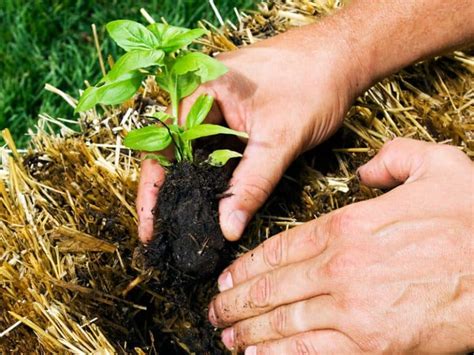
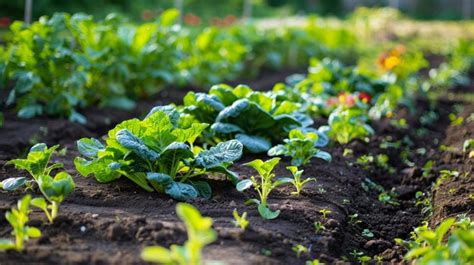
Clay soil, with its dense structure and poor drainage, often presents a formidable challenge for backyard gardeners dreaming of lush vegetable patches. However, with the right organic strategies, this seemingly difficult soil can be transformed into a highly productive growing medium, brimming with life and nutrients. Amending clay soil organically not only improves its physical properties but also enhances its biological activity, leading to healthier plants and bountiful harvests without relying on synthetic chemicals.
Understanding the Challenge of Clay Soil
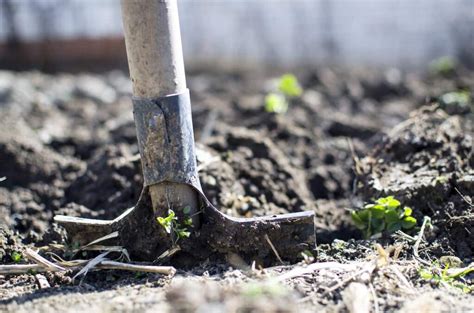
Characterized by very fine particles, clay soil compacts easily, leading to poor aeration and slow drainage. This can suffocate plant roots, prevent proper nutrient uptake, and make the soil slow to warm in spring. When wet, it’s sticky and heavy; when dry, it turns into a rock-hard block. The key to unlocking its potential lies in improving its structure, making it more crumbly and hospitable for roots and beneficial microorganisms.
The Organic Solution: Harnessing the Power of Organic Matter
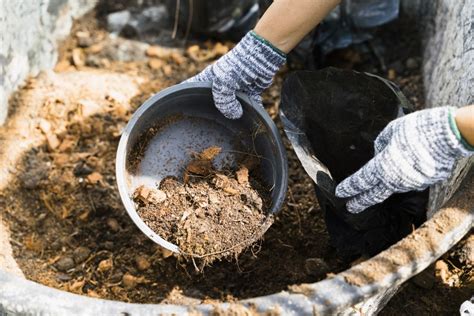
The single most effective way to amend clay soil organically is to incorporate copious amounts of organic matter. Organic matter acts like a natural glue, binding the fine clay particles into larger aggregates, creating pore spaces for air and water. It also improves drainage, moderates soil temperature, and provides a slow-release reservoir of nutrients for your plants.
Compost: The Gold Standard Amendment
Well-rotted compost is your best friend when dealing with clay soil. It’s rich in diverse organic materials, beneficial microbes, and essential nutrients. Aim to incorporate a layer of 2-4 inches of compost into the top 6-12 inches of your garden beds annually, especially before planting season. This regular application will steadily improve soil structure over time.
Beyond compost, consider other organic materials:
- Aged Manure: Cow, horse, or chicken manure, when fully aged (to prevent burning plants with excess nitrogen), is excellent for boosting soil fertility and structure.
- Leaf Mold: Decomposed leaves create a spongy, moisture-retaining material that greatly benefits clay soil.
- Wood Chips/Arborist Mulch: While fresh wood chips can temporarily tie up nitrogen if tilled directly into the soil, as a top dressing, they slowly break down, adding organic matter and feeding soil life. If incorporating, ensure they are well-aged or balance with nitrogen.

Beyond Amendments: Other Organic Strategies
Embrace Cover Crops
Cover crops, also known as “green manures,” are plants grown specifically to benefit the soil. Deep-rooted cover crops like daikon radish or tillage radish can physically break up compacted clay layers, while legumes (clover, vetch) fix nitrogen, and cereal grains (rye, oats) add significant biomass when tilled in (or “chopped and dropped” in no-till systems). Plant cover crops in off-seasons and incorporate them into the soil before they go to seed.

Minimize Tillage and Compaction
While initial tilling to incorporate amendments might be necessary, strive for a “no-till” or “reduced-till” approach in subsequent seasons. Frequent deep tilling can disrupt the newly formed soil structure and bring dormant weed seeds to the surface. Instead, focus on surface applications of compost and mulches. Avoid walking on garden beds, especially when wet, to prevent re-compacting the soil.
Proper Watering and Drainage Management
Clay soil retains water for a long time. Water deeply but less frequently than sandy soils, allowing the top layer to dry out slightly between waterings. Consider raised beds or French drains in particularly problematic areas to improve drainage, though organic amendments will naturally mitigate many drainage issues over time.
Step-by-Step Amending Process
- Assess Your Soil: Dig a small test pit to understand the extent of compaction and the depth of the clay layer.
- Initial Loosening (Optional but Recommended): For very dense clay, an initial deep tilling or double-digging can help break up hardpans, but use sparingly in subsequent years.
- Apply Organic Matter: Spread a generous 2-4 inch layer of well-rotted compost, aged manure, or a mix of organic materials over the entire bed.
- Incorporate: Gently fork or till the organic matter into the top 6-12 inches of soil. The goal is to mix it thoroughly but avoid pulverizing the soil, which can destroy nascent structure.
- Mulch Heavily: After planting, apply a 2-4 inch layer of organic mulch (straw, leaves, wood chips) to conserve moisture, suppress weeds, and slowly add more organic matter as it decomposes.
- Repeat Annually: Consistently add compost and organic mulches each year to maintain and further improve soil structure.
Conclusion
Transforming dense clay soil into a fertile, productive garden isn’t an overnight task, but it is incredibly rewarding. By consistently incorporating organic matter like compost, utilizing cover crops, and practicing mindful cultivation, you can gradually enhance soil structure, improve drainage, and create an inviting environment for roots, beneficial microbes, and ultimately, a thriving backyard vegetable garden. Patience and persistence with organic methods will yield bountiful harvests for years to come.