


How to transform garden excess into versatile, long-lasting homemade pantry staples?

An overflowing garden is a dream come true for any home cook, but the sheer volume of fresh produce can quickly become overwhelming. Rather than letting your hard work go to waste, learn how to transform that garden excess into versatile, long-lasting homemade pantry staples. Not only does this reduce food waste, but it also provides you with healthy, additive-free ingredients and saves money in the long run.
Why Preserve Your Harvest?
Preserving your garden’s bounty offers a multitude of benefits. You gain control over the ingredients, ensuring no unwanted chemicals or preservatives make it into your food. It’s an incredibly satisfying way to connect with your food source and enjoy seasonal flavors long after the growing season has ended. Plus, imagine the convenience of having homemade tomato sauce, fruit jams, or dried herbs at your fingertips throughout the year!
Embracing Dehydration: Nature’s Concentrates
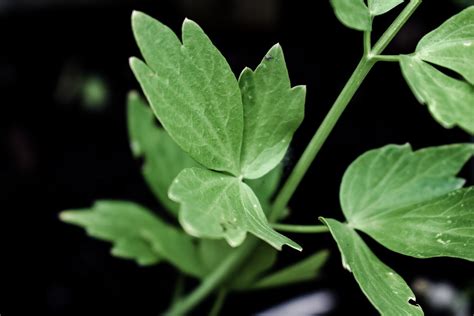
Dehydration is one of the oldest and simplest methods of food preservation, removing moisture to inhibit microbial growth. It’s perfect for concentrating flavors and creating lightweight, shelf-stable ingredients. Herbs like oregano, thyme, and basil dry beautifully, retaining much of their aroma. Tomatoes can be sun-dried or oven-dried for intensely flavorful additions to pasta, salads, and more. You can also dry sliced apples, pears, or make fruit leathers for healthy snacks.
Tips for Dehydration:
- Herbs: Hang small bundles in a warm, dry, well-ventilated area, or use a dehydrator on a low setting.
- Tomatoes: Slice thinly, remove seeds if desired, and dry in a dehydrator or a low oven (around 175°F/80°C) until leathery.
- Fruits: Slice evenly, and consider a light lemon juice dip to prevent browning for apples and pears.
The Art of Canning: Sealing in Flavor and Freshness
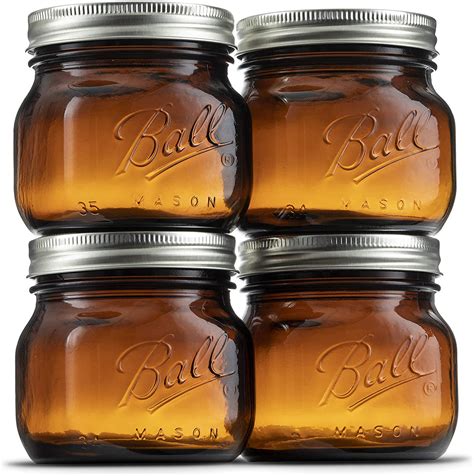
Canning involves sealing food in airtight jars and processing them in a hot water bath or pressure canner to kill bacteria and create a vacuum seal. This method is ideal for creating jams, jellies, pickles, fruit preserves, and various sauces. While it requires adherence to strict safety guidelines, the rewards are shelves lined with colorful, homemade goodness.
Popular Canning Projects:
- Jams & Jellies: Berries, peaches, plums, and apples make fantastic sweet spreads.
- Pickles: Cucumbers, green beans, and even bell peppers can be pickled in a vinegar brine.
- Tomato Products: Whole peeled tomatoes, crushed tomatoes, salsa, and pasta sauce are garden staples that shine when canned.

Always use tested recipes from reliable sources (like Ball or USDA guidelines) to ensure safety and proper sealing. Sterilize your jars and lids meticulously, and follow processing times precisely.
Freezing for Freshness: The Quick & Easy Option
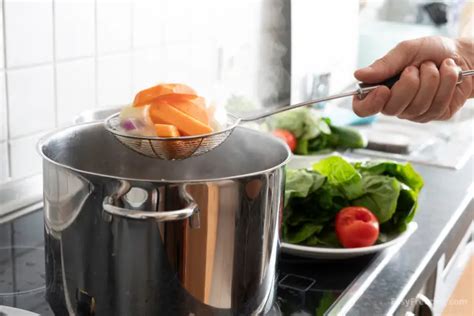
Freezing is arguably the easiest and most accessible preservation method for many garden vegetables and fruits. It retains much of the fresh flavor and nutritional value, making it perfect for later use in cooking. Most vegetables benefit from a quick blanching before freezing to stop enzyme action and preserve color and texture.
What to Freeze:
- Vegetables: Blanch green beans, broccoli, corn, peas, and bell peppers. Flash freeze individual pieces on a baking sheet before transferring to freezer bags to prevent clumping.
- Fruits: Berries, peaches, and cherries can be frozen whole or sliced. They are excellent for smoothies, pies, or sauces.
- Herbs: Chop fresh herbs and freeze them in ice cube trays with a little water or oil for easy portions.
- Pestos & Sauces: Make large batches of pesto or tomato sauce and freeze in small containers or ice cube trays.
Fermentation Fundamentals: Probiotic Powerhouses
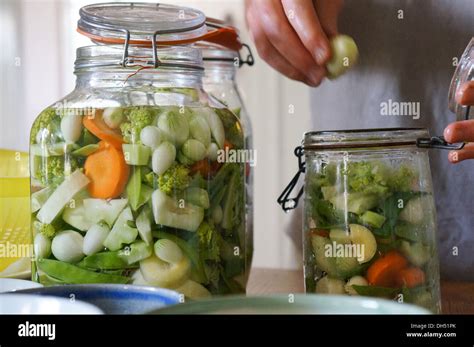
Fermentation is a living preservation method that not only extends shelf life but also enhances flavor and creates beneficial probiotics. Lacto-fermentation, using salt brine, transforms vegetables into delicious and gut-healthy foods like sauerkraut, kimchi, and various pickled vegetables without the need for canning.
Getting Started with Fermentation:
- Sauerkraut: Finely shredded cabbage with salt, left to ferment at room temperature for weeks.
- Kimchi: A spicier Korean fermented cabbage dish, often including radishes, garlic, and chili.
- Pickled Vegetables: Carrots, green beans, and even cauliflower can be fermented in a salt brine.
Ensure a clean environment and proper salt-to-vegetable ratios. Keeping the vegetables submerged under the brine is crucial to prevent mold.
Infused Oils and Vinegars: Culinary Enhancers
Beyond traditional preservation, consider making herb-infused oils and vinegars. These add gourmet touches to your cooking and make wonderful gifts. Fresh rosemary, thyme, garlic, or chili peppers can be steeped in olive oil or white wine vinegar to create flavorful bases for dressings, marinades, and cooking.
Tips for a Successful Pantry Transformation
- Start Small: Don’t try to preserve everything at once. Pick one or two methods you’re comfortable with.
- Use Fresh Produce: The quality of your pantry staples will only be as good as the produce you start with.
- Label Everything: Include the item and the date it was preserved.
- Store Properly: Keep canned goods and dried foods in a cool, dark place. Frozen items need a consistent freezer temperature.
- Invest in Basic Equipment: A good set of canning jars, a dehydrator, or quality freezer bags can make a big difference.
Transforming your garden’s bounty into a well-stocked pantry is a rewarding journey. It’s a practice that reduces waste, promotes healthy eating, and provides a deep satisfaction in knowing you’ve harnessed nature’s abundance. So roll up your sleeves, embrace these methods, and enjoy the fruits (and vegetables!) of your labor all year long.