

How to start family cooking traditions using garden harvest?

Cultivating Connection: The Power of Garden-to-Table Traditions
There’s a unique joy in preparing a meal with ingredients you’ve grown yourself. When you combine this with the warmth of family, you create more than just food; you cultivate traditions, memories, and a deeper connection to nature and each other. Starting family cooking traditions using your garden harvest is a beautiful way to teach children about where their food comes from, foster healthy eating habits, and build lasting bonds in the kitchen.
Imagine the delight of your children plucking a ripe tomato from the vine and then, hours later, transforming it into a delicious sauce for pasta. This farm-to-table experience, even on a small backyard scale, is incredibly enriching. It turns everyday meals into special events and imbues the act of cooking with purpose and excitement.

Step One: Planning Your Harvest with Family Meals in Mind
The journey begins long before harvest day. Involve your family, especially the children, in the gardening process from the very start. Let them help choose what to plant. Are there specific vegetables or fruits they love? Encourage them to pick one or two new things to try. Consider easy-to-grow, quick-yielding plants that will keep their interest, such as cherry tomatoes, bush beans, radishes, or strawberries.
Think about the kinds of meals your family enjoys. If you love salads, focus on lettuce, cucumbers, and herbs. If pasta is a staple, tomatoes, peppers, and garlic are excellent choices. Planning your garden around your family’s culinary preferences ensures that the harvest will be eagerly anticipated and used.
From Soil to Stove: Engaging Everyone in the Process
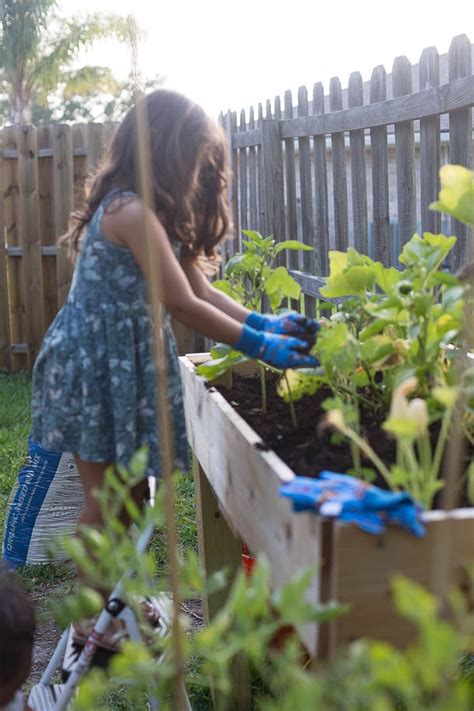
The true magic of garden-to-table traditions lies in the involvement of every family member. Designate specific tasks for different age groups. Younger children can help with watering, gentle harvesting of ripe produce, or washing vegetables. Older children can assist with more precise harvesting, prepping ingredients (under supervision), or even following simple recipe steps.

Turn harvest day into an event. Provide baskets or buckets and let everyone gather their share. Back in the kitchen, set up a washing station where everyone can clean the freshly picked produce. As you cook, talk about the plants – how they grew, what they need, and how they contribute to the meal. This creates a powerful educational experience disguised as fun.
Crafting Culinary Keepsakes: Simple Recipes to Start With
When starting, opt for simple, adaptable recipes that highlight the freshness of your garden produce. Complicated dishes can be daunting and detract from the joy of the process. Think about:
- Fresh Salads: A simple vinaigrette tossed with homegrown lettuce, cucumbers, tomatoes, and herbs is incredibly flavorful.
- Roasted Vegetables: Toss garden carrots, zucchini, bell peppers, and onions with olive oil, salt, and pepper, then roast until tender and slightly caramelized.
- Homemade Pesto: If you’re growing basil, a quick pesto is fantastic for pasta, sandwiches, or as a dip.
- Fruit Crisps/Crumbles: Berries or apples from the garden make a delightful, easy dessert.

Encourage experimentation. Let family members suggest how to use a particular ingredient. Documenting these family recipes, perhaps in a handwritten cookbook, adds another layer to your tradition, creating a legacy to pass down.
Nurturing the Tradition: Making it Last
Consistency is key to forming a tradition. Try to schedule regular “garden harvest cooking days” during peak growing seasons. It could be a weekly dinner or a monthly baking session. These dedicated times create anticipation and reinforce the routine.
Beyond cooking, consider other ways to utilize your harvest. Learning basic food preservation techniques like canning, freezing, or drying can extend the life of your garden bounty and allow you to enjoy your homegrown food year-round. Involve the family in these activities too; it’s a valuable skill and creates a sense of preparedness.

Remember, these traditions are about more than just the food on the table; they’re about the shared experience, the laughter, the learning, and the love that goes into every step. Embrace imperfections, celebrate successes, and most importantly, enjoy the journey of growing and cooking together.