



Best canning methods for abundant summer tomatoes?

Few things rival the taste of a sun-ripened summer tomato, bursting with sweet and tangy goodness. When your garden yields an abundant harvest, it’s a delightful problem to have. Preserving these vibrant gems allows you to savor the taste of summer long after the season fades. But with several methods available, what’s the best way to ensure safety and quality?
Why Can Your Summer Tomato Abundance?
Canning your own tomatoes is more than just a chore; it’s a time-honored tradition that brings a wealth of benefits. Beyond the satisfaction of self-sufficiency, home-canned tomatoes offer superior flavor, free from the preservatives and excessive sodium often found in store-bought varieties. It’s an economical way to manage a large harvest, preventing waste and ensuring your pantry is stocked with wholesome ingredients for sauces, stews, and chilis throughout the colder months.
Essential Steps Before You Begin Canning
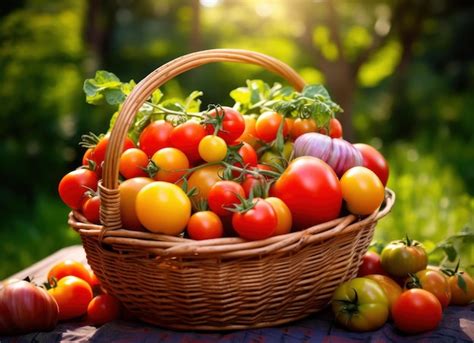
Before diving into the canning process, preparation is key. Always start with fresh, unblemished tomatoes. Wash them thoroughly and remove any cores or bad spots. For most canning recipes, you’ll need to peel and often seed your tomatoes. Blanching them in boiling water for 30-60 seconds, then immediately transferring to an ice bath, makes peeling a breeze. Gather all your canning equipment: clean jars, lids, bands, a jar lifter, a funnel, and the appropriate canner.
Water Bath Canning: The Classic Method for Tomatoes
Water bath canning is the go-to method for high-acid foods, and while tomatoes are borderline, they are generally considered safe for water bath canning with the addition of acid. This typically involves adding bottled lemon juice (2 tablespoons per quart jar, 1 tablespoon per pint jar) or citric acid (½ teaspoon per quart, ¼ teaspoon per pint) directly to each jar before filling. The high temperature of the boiling water creates a vacuum seal, preserving the food. It’s ideal for crushed tomatoes, whole/diced tomatoes, and tomato juice.

Pressure Canning: An Alternative for Versatility
While water bath canning is sufficient for plain tomatoes with added acid, pressure canning offers greater flexibility, especially if you’re making sauces, stews, or salsas that contain low-acid ingredients like onions, peppers, or meats. Pressure canning reaches higher temperatures than a water bath, making it safe for all types of food. If you prefer not to add acid to your plain tomatoes or want to ensure maximum safety for mixed tomato products, a pressure canner is an excellent investment. Always follow tested recipes specific to pressure canning.

Popular Tomato Products to Can
The versatility of canned tomatoes is endless. Here are some popular options:
- Whole or Diced Tomatoes: Perfect for adding to chili, stews, or simply crushing by hand for quick sauces.
- Crushed Tomatoes: A fantastic base for soups and sauces, offering a slightly thicker consistency.
- Tomato Juice: Great for drinking, or as a base for Bloody Marys and soups.
- Tomato Puree/Sauce: Simmered down tomatoes, ready to be seasoned for pasta sauces or pizza bases.
- Salsa: A beloved condiment, but remember to use tested salsa recipes that balance acid levels for safety.
Safety First: Crucial Canning Tips
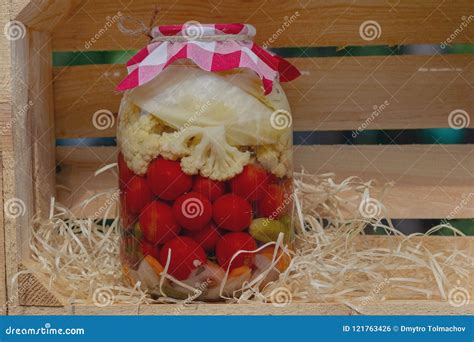
Regardless of the method chosen, food safety is paramount. Always use tested recipes from reliable sources like university extension offices or reputable canning guides. Inspect jars for cracks or chips, and use new lids each time for a proper seal. Follow processing times and headspace requirements precisely. After processing, let jars cool undisturbed for 12-24 hours before checking for a proper seal. Any jars that haven’t sealed should be reprocessed or refrigerated and consumed promptly.
Enjoying Your Preserved Bounty
With your pantry brimming with home-canned tomatoes, you’ve captured the essence of summer. The rich, robust flavor of your own preserved harvest will elevate your cooking all year round, bringing a taste of the garden to your table even on the coldest winter days. Embrace the rewarding tradition of canning, and never let those abundant summer tomatoes go to waste again.