


How to adapt fresh garden recipes for safe canning & freezer storage?

Harvesting Your Garden’s Bounty for Year-Round Enjoyment
There’s nothing quite like the taste of fresh, homegrown produce straight from the garden. The challenge, however, often lies in preserving that peak flavor and nutrition to enjoy long after the growing season ends. While cooking a fresh garden recipe on the spot is straightforward, adapting it for safe canning or freezer storage requires specific knowledge and modifications. The good news is that with a few key principles, you can confidently transform your favorite seasonal dishes into delicious, shelf-stable, or freezer-ready meals.
Why Adaptation is Crucial for Safety and Quality
The primary reason for adapting recipes for preservation is safety. Recipes designed for immediate consumption often contain ingredients or preparation methods that are unsafe for long-term storage, especially canning. For instance, canning relies heavily on specific acidity levels and processing temperatures to prevent the growth of harmful bacteria like Clostridium botulinum. Similarly, freezing requires methods that maintain texture and prevent freezer burn.
Beyond safety, adaptation ensures quality. Ingredients like dairy, fats, and thickeners can separate, curdle, or become unappetizing during the canning or freezing process. Understanding how different ingredients react to these preservation methods is key to retaining the flavor and texture you love.
Essential Principles for Safe Canning
Understanding Acidity and Heat Treatment
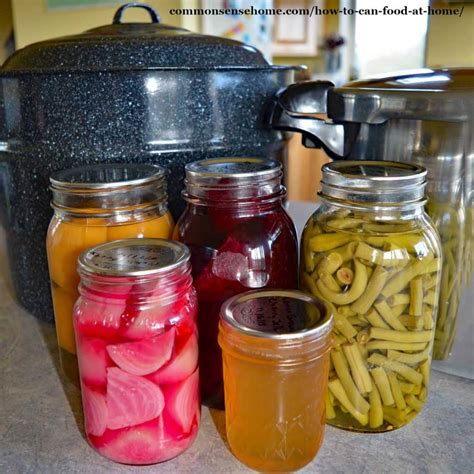
For canning, the most critical factor is acidity. High-acid foods (pH 4.6 or lower), such as most fruits, pickles, and acidified tomatoes, can be safely processed in a boiling water bath canner. Low-acid foods (vegetables, meats, poultry, seafood, and mixtures of low-acid and high-acid ingredients) require a pressure canner to reach temperatures high enough to destroy dangerous bacteria.
- Water Bath Canning: Suitable for jams, jellies, pickles, fruit, and acidified tomatoes/salsas.
- Pressure Canning: Essential for green beans, corn, soups, stews, and non-acidic tomato products.
Recipe Modifications for Canning
When adapting a fresh recipe for canning, you often need to simplify. Avoid adding dairy, fats, oils, and thickeners like flour or cornstarch, as these can interfere with heat penetration and create unsafe canning conditions. If a recipe calls for these, they should be added at the time of serving, not before canning.
For tomato-based recipes, always add a tested amount of acid (lemon juice or citric acid) to ensure safety, even if your tomatoes taste acidic. Never alter the proportions of ingredients in a tested canning recipe, especially if it affects the acid level.
Key Strategies for Effective Freezer Storage
Blanching and Packaging for Vegetables
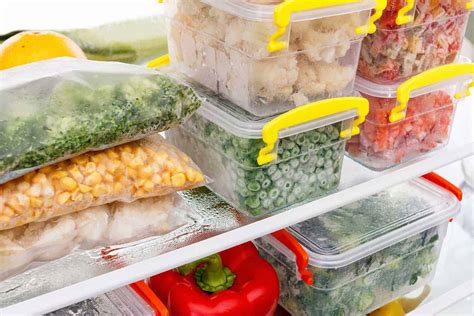
Most vegetables require blanching (briefly cooking in boiling water or steam) before freezing. This process stops enzyme action that causes loss of flavor, color, and texture. After blanching, cool quickly in ice water, drain thoroughly, and package in freezer-safe containers or bags, removing as much air as possible to prevent freezer burn.
Adapting Recipes for the Freezer
Many cooked dishes freeze well with minimal changes. However, some ingredients don’t fare as well. Cooked pasta can become mushy, and dairy-based sauces may separate or become grainy upon thawing. If a recipe contains these, consider freezing the sauce separately or adding them fresh when reheating.
For soups and stews, you can often cook them almost entirely, then cool and freeze. If they contain potatoes, they might become slightly mealy, but are generally acceptable. Remember to leave adequate headspace in containers for liquids, as they expand when frozen.
Common Garden Recipe Adaptations
Salsas and Tomato Sauces
For canning salsa, you MUST use a tested recipe from a reputable source (like your local extension office) to ensure adequate acidity. Do not reduce the amount of vinegar or lemon juice. For freezing, fresh salsa works well, though it may be a bit more watery upon thawing. Tomato sauce for canning requires added acid for water bath canning or must be pressure canned if no acid is added.
Soups, Stews, and Chili
These are fantastic candidates for freezing. For canning, adapt them by omitting pasta, rice, and thickeners. Pressure can the broth and vegetables, then add fresh starches and thickeners upon reheating. Freezing is more forgiving; simply cook, cool, and freeze in meal-sized portions.

Fruit Preserves and Pie Fillings
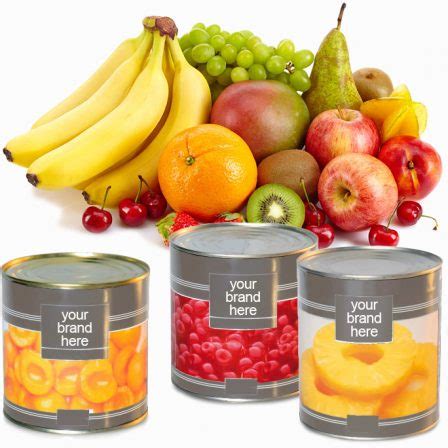
When making jams, jellies, or pie fillings for canning, always follow tested recipes precisely, especially regarding sugar and pectin ratios. Altering these can affect the set and safety of the product. Freezing fruit is simpler; often, it can be frozen whole, sliced, or pureed with or without sugar, perfect for later use in smoothies, pies, or sauces.
Enjoy Your Harvest All Year Long
Adapting your fresh garden recipes for canning and freezing is a rewarding skill that extends the enjoyment of your harvest far beyond the growing season. By understanding the fundamental principles of food safety, appropriate ingredient modifications, and choosing the right preservation method, you can stock your pantry and freezer with homemade goodness, ready to be savored any time of the year. Always prioritize safety by consulting trusted resources and following tested guidelines.