

How to cook healthy, real food in a rustic cabin kitchen?
Embarking on a cabin getaway often means disconnecting from the hustle and bustle, embracing nature, and simplifying life. While the rustic charm is undeniable, a cabin kitchen, with its limited appliances and space, can present a unique challenge for those committed to eating healthy, real food. Fear not! With a bit of planning and a creative approach, you can whip up nourishing, delicious meals that complement your serene surroundings.
Embracing the Rustic Charm: What to Expect
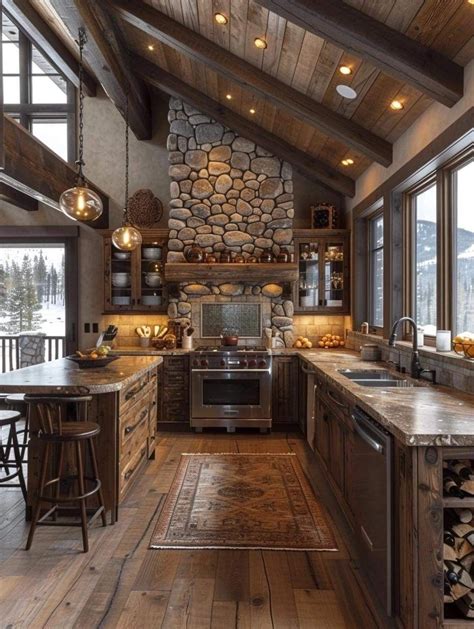
A rustic cabin kitchen is often characterized by its simplicity: perhaps a vintage gas range or a wood-burning stove, limited counter space, a small cooler or icebox instead of a refrigerator, and basic utensils. Modern conveniences like dishwashers, microwaves, or vast arrays of specialty gadgets are typically absent. Instead of seeing these as limitations, view them as an invitation to return to foundational cooking methods, relying on fresh ingredients and time-honored techniques.
This setting encourages a slower pace, mindful preparation, and an appreciation for the elements at hand. It’s an opportunity to connect with your food from scratch, often with a view of the very landscape that inspires your meal.

Essential Gear for Your Cabin Culinary Adventure
While most cabins provide basic cookware, bringing a few key items can significantly elevate your cooking experience. Prioritize versatile tools that serve multiple purposes.
- Cast Iron Skillet: Indispensable for sautéing, frying, baking, and even grilling over an open flame. It retains heat beautifully and adds iron to your food.
- Sharp Chef’s Knife & Small Cutting Board: Precision is key, even with minimal ingredients.
- Sturdy Pot with Lid: For soups, stews, boiling water, and one-pot meals.
- Basic Spices: Salt, pepper, garlic powder, onion powder, and one or two of your favorite herbs can transform simple ingredients.
- Large Mixing Bowl: Useful for salads, preparing dough, or marinating.
- Silicone Spatula/Wooden Spoon: Gentle on cookware and versatile.
These items, combined with what’s available, form the backbone of a functional cabin kitchen.

Sourcing Fresh, Real Ingredients
The foundation of healthy eating is quality ingredients. Before heading to your cabin, research local farmers’ markets, farm stands, or small-town grocery stores along your route. Prioritize whole, unprocessed foods that travel well and require minimal refrigeration.
- Produce: Root vegetables (carrots, potatoes, onions) last well. Apples, oranges, and sturdy greens (kale, cabbage) are good choices.
- Proteins: Eggs are versatile. Consider dried beans, lentils, or canned fish (sardines, tuna) for shelf-stable options. If refrigeration allows, lean meats or fish for immediate consumption.
- Grains: Rolled oats for breakfast, whole grain pasta, rice, or hardy bread.
- Healthy Fats: Olive oil, avocado oil, nuts, and seeds.
Simple Strategies for Healthy Cabin Cooking
One-Pot Wonders & Skillet Meals
With limited cleanup facilities, one-pot or one-pan meals are your best friends. Think hearty stews, chili, lentil soups, or skillet scrambles packed with vegetables and protein. Roasting vegetables and a protein together in a cast iron pan or foil packets over a fire minimizes dishes and maximizes flavor.
Mastering the Art of Grilling & Campfire Cooking
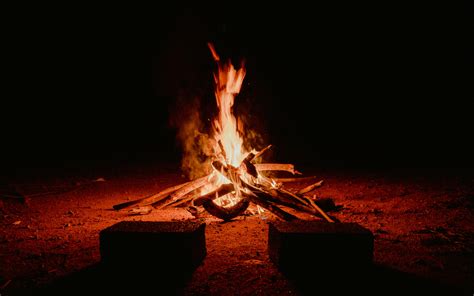
Many cabins come with a fire pit or a simple outdoor grill. Embrace it! Grilling adds a wonderful smoky flavor to meats, fish, and vegetables. Foil packet meals (chopped veggies, protein, a touch of oil and seasoning, sealed in foil) are incredibly easy to cook in embers and offer no-mess cleanup.
Maximizing Fresh Produce
Simple salads, quickly sautéed greens, or rustic vegetable platters are excellent ways to incorporate fresh produce. A simple vinaigrette (oil, vinegar, salt, pepper) can elevate any raw or lightly cooked vegetable dish.
Smart Snacking
Keep hunger at bay with healthy snacks that don’t require cooking: fresh fruit, nuts, seeds, homemade trail mix, or whole-grain crackers with nut butter.
Sample Healthy & Rustic Cabin Meal Ideas
- Breakfast: Hearty oatmeal cooked on the stove with dried fruit and nuts, or scrambled eggs with whatever vegetables you have on hand.
- Lunch: A substantial bean and vegetable soup, or grilled cheese sandwiches on whole wheat bread with a side of apple slices.
- Dinner: Roasted chicken pieces with root vegetables (carrots, potatoes, onions) cooked in a single cast-iron pan, or a robust lentil stew served with crusty bread. For a quicker option, grilled fish and asparagus in foil packets.
Tips for Minimal Waste and Easy Cleanup
Sustainable practices are naturally suited to a cabin environment:
- Plan Meals: Before you shop, plan your meals to minimize food waste.
- Re-purpose Leftovers: Leftover roasted vegetables can go into an omelet or a soup.
- Scrape Plates: Scrape food scraps into a designated compost bin (if available) or trash before washing.
- Wash as You Go: Clean pots and utensils immediately after use to prevent food from drying on.
- Use Less Water: A basin wash system (one for washing, one for rinsing) conserves precious water.

Cooking healthy, real food in a rustic cabin kitchen isn’t just about nutrition; it’s an integral part of the travel experience. It forces you to slow down, be resourceful, and appreciate the simple act of preparing and sharing a meal. Embrace the limitations as opportunities, and you’ll find immense satisfaction in creating delicious, wholesome food amidst the peace and beauty of your cabin getaway.