


DIY natural pest spray recipe for organic garden pests?

Embrace Organic Pest Control for a Thriving Garden
Cultivating an organic garden is a rewarding endeavor, providing fresh produce free from harmful chemicals. However, even the most diligent organic gardener can face the challenge of unwanted pests. Instead of reaching for synthetic pesticides that can harm beneficial insects, soil health, and even your family, consider crafting your own natural pest spray.
DIY natural pest sprays offer an eco-friendly and cost-effective solution to manage common garden pests like aphids, spider mites, and whiteflies. By utilizing readily available ingredients, you can create a potent repellent and insecticide that is safe for your plants and the environment.
Essential Ingredients for Your Natural Pest Spray
The beauty of a DIY pest spray lies in its simplicity and the power of everyday ingredients. Many common kitchen and household items possess natural insecticidal or repellent properties. Understanding these components is key to creating an effective spray.
- Liquid Dish Soap: A mild, biodegradable dish soap acts as a surfactant, breaking down the waxy outer layer of soft-bodied insects, causing dehydration.
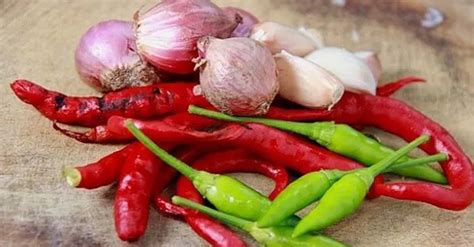
- Garlic: The pungent aroma of garlic is a natural deterrent to many pests. Its compounds can also be toxic to certain insects.
- Chili Powder/Cayenne Pepper: Capsaicin, the active compound in chili, irritates pests, making plants less appealing for feeding.
- Neem Oil (Optional, but Recommended): Derived from the neem tree, this organic insecticide disrupts insect growth and acts as an antifeedant and repellent. It’s safe for beneficial insects once dry.
- Essential Oils (e.g., Peppermint, Eucalyptus): Some essential oils have strong scents that repel various pests and can also have insecticidal properties.

Simple Recipe: Your All-Purpose Pest Defender
Here’s a versatile recipe for a natural pest spray that can be adapted based on the ingredients you have on hand.
What You’ll Need:
- 1 gallon of water (preferably distilled or rainwater)
- 1 tablespoon of mild, biodegradable liquid dish soap
- 4-5 cloves of garlic (minced or crushed)
- 1-2 teaspoons of chili powder or a pinch of cayenne pepper flakes (adjust to strength)
- 1-2 tablespoons of cold-pressed neem oil (optional)
- 5-10 drops of peppermint or eucalyptus essential oil (optional)
- Large mixing bowl or bucket
- Fine-mesh strainer or cheesecloth
- Empty spray bottle
Step-by-Step Instructions:
- Prepare the Infusion: In your mixing bowl, combine 1 cup of warm water with the minced garlic and chili powder. Let this mixture steep for at least 1-2 hours, or even overnight, to allow the active compounds to infuse.
- Strain the Mixture: Using the fine-mesh strainer or cheesecloth, strain the garlic and chili mixture into your large mixing bowl, discarding the solids.
- Add Soap and Oils: To the strained liquid, add the remaining water. Then, stir in the liquid dish soap, neem oil (if using), and any essential oils. Mix thoroughly until all ingredients are well combined.
- Test for Dilution: If using a strong chili or a concentrated essential oil, you might want to test a small, inconspicuous part of a plant first to ensure it doesn’t cause any leaf burn.
- Transfer to Spray Bottle: Pour the finished solution into your clean spray bottle.
How to Apply Your Natural Pest Spray Effectively
Proper application is crucial for the success of your natural pest spray. Follow these guidelines for best results:
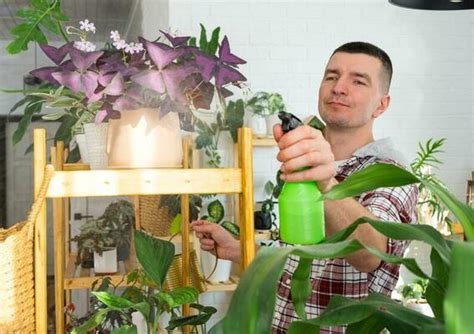
- Timing is Key: Apply the spray in the early morning or late evening when temperatures are cooler and the sun is not directly overhead. This prevents leaf burn and allows the spray to dry without quickly evaporating.
- Target Application: Focus on the undersides of leaves, stems, and any areas where you notice pest activity. Many pests hide on the lower surfaces of foliage.
- Regularity: For active infestations, apply every 3-5 days until the pests are under control. For preventative measures, a weekly application is often sufficient, especially after rain.
- Patch Test: Always test a small area of a plant first and wait 24 hours to ensure there are no adverse reactions before spraying the entire plant.
- Shake Before Use: Some ingredients may separate, so give your spray bottle a good shake before each application.
Beyond the Spray: Holistic Pest Prevention Tips
While natural sprays are effective, they are just one tool in an organic gardener’s arsenal. Incorporating holistic prevention strategies can significantly reduce pest problems in the long run:
- Healthy Soil: Strong, healthy plants are more resistant to pests. Focus on building nutrient-rich soil with compost and organic matter.
- Companion Planting: Plant herbs and flowers that naturally repel pests (e.g., marigolds, nasturtiums, basil) near susceptible crops.
- Attract Beneficial Insects: Encourage predators like ladybugs, lacewings, and hoverflies by planting flowers that provide nectar and pollen.
- Regular Inspection: Routinely check your plants for early signs of pests. Catching an infestation early makes it easier to manage.
- Crop Rotation: Rotate your crops annually to prevent pests from building up in the soil.
- Good Garden Hygiene: Remove diseased leaves and plant debris promptly to eliminate hiding spots and breeding grounds for pests.

Conclusion
Creating your own natural pest spray is an empowering step towards a truly organic and sustainable garden. Not only does it protect your plants without resorting to harsh chemicals, but it also gives you a deeper connection to the natural processes at play in your backyard. With a little effort and common household ingredients, you can keep your garden thriving, healthy, and pest-free, allowing you to enjoy the fruits (and vegetables!) of your labor with peace of mind.