




What real food recipes stretch seasonal garden harvests into homemade pantry staples?

There’s immense satisfaction in harvesting fresh produce from your garden. Yet, the seasonal bounty often presents a delightful challenge: how to enjoy it all before it spoils? The answer lies in transforming these vibrant, ephemeral ingredients into stable, delicious pantry staples. By embracing traditional preservation methods and real food recipes, you can savor the taste of summer long after the growing season ends, all while reducing waste, saving money, and knowing exactly what goes into your food.
The Philosophy of Pantry Stocking from Your Garden
Moving beyond just eating fresh, stocking your pantry with garden-made goods is an act of culinary foresight. It aligns with a real food philosophy, emphasizing whole, unprocessed ingredients. Benefits extend beyond convenience; you gain control over sugar, salt, and additive content, ensuring healthier options for your family. Moreover, it fosters a deeper connection to your food’s origin and the rhythm of the seasons, turning fleeting abundance into lasting nourishment.
Essential Preservation Techniques for Every Gardener
Several tried-and-true methods allow you to extend the life of your garden’s treasures. Each technique offers unique advantages in terms of flavor, texture, and storage. Mastering a few will open up a world of possibilities for your homemade pantry.
Fermentation for Flavor and Health
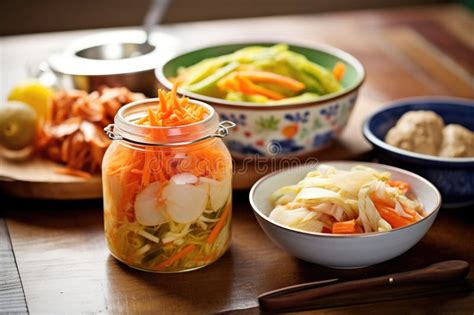
Fermentation is an ancient art that not only preserves food but also enhances its flavor and boosts its nutritional value through probiotics. It’s surprisingly simple and requires minimal equipment.
- Sauerkraut & Kimchi: Perfect for cabbage, these tangy ferments are packed with beneficial bacteria.
- Lacto-Fermented Pickles: Cucumbers, carrots, green beans, or even bell peppers can be transformed into crisp, probiotic-rich pickles.
- Fermented Hot Sauce: Blend fermented peppers with salt and other aromatics for a vibrant, complex hot sauce.
Canning for Long-Term Storage
Canning seals food in airtight jars, creating shelf-stable goods. Water bath canning is suitable for high-acid foods (fruits, pickles, jams), while pressure canning is essential for low-acid vegetables, meats, and soups.
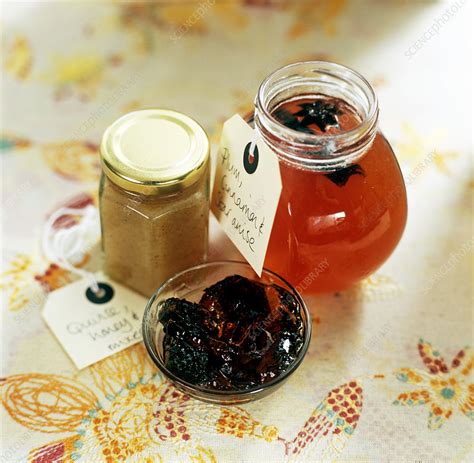
- Jams, Jellies, and Fruit Butters: Berries, peaches, apples, and plums shine in sweet spreads.
- Tomato Sauce & Paste: Preserve your tomato harvest into rich sauces, diced tomatoes, or concentrated paste.
- Pickled Vegetables: Dill pickles, bread and butter pickles, pickled green beans, or beets offer tangy additions to any meal.
- Fruit Pie Fillings: Can pre-cooked fruit fillings for quick desserts later in the year.
Drying and Dehydrating for Compact Goodness
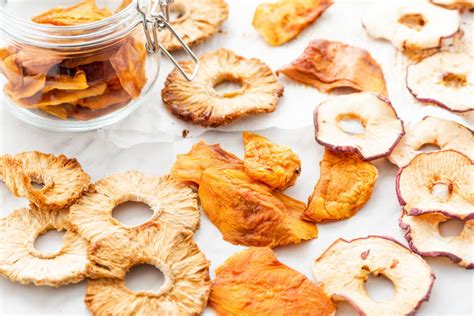
Removing moisture inhibits spoilage, making dried foods lightweight and space-efficient. A simple food dehydrator or even your oven on a low setting can work wonders.
- Dried Herbs: Preserve the intense flavor of basil, oregano, thyme, and rosemary for winter cooking.
- Fruit Leathers: Purée excess berries or stone fruits and spread thinly for healthy, chewy snacks.
- Sundried Tomatoes: Capture the concentrated sweetness of ripe tomatoes.
- Dried Mushrooms: Rehydrate for soups, stews, or risottos.
Freezing for Freshness on Demand
Freezing is arguably the easiest method for preserving the closest taste and texture to fresh produce. Most vegetables benefit from blanching first to retain color and nutrients.
- Pesto Cubes: Freeze fresh basil pesto in ice cube trays for quick pasta sauces.
- Frozen Berries: Flash freeze berries on a baking sheet before transferring to bags for smoothies, muffins, or desserts.
- Blanched & Frozen Vegetables: Broccoli, green beans, corn, and peas freeze beautifully after a quick blanch.
- Vegetable Purées: Freeze excess squash, pumpkin, or sweet potatoes as purées for soups, pies, or baby food.

Creative Recipes for Common Garden Abundance
Let’s look at specific garden heroes and how to transform them.
- Tomatoes: Beyond basic sauce, consider canning whole peeled tomatoes, making homemade tomato paste, or whipping up a batch of spicy tomato jam.
- Cucumbers: Dive into various pickle recipes – crisp dill spears, sweet bread-and-butter slices, or a tangy cucumber relish.
- Zucchini & Squash: Grate and freeze for winter baking, make zucchini relish, or dehydrate into savory chips.
- Peppers: Roast and freeze for later use, ferment into hot sauce, or can as pickled pepper strips.
- Herbs: Beyond drying, infuse oils or vinegars, or make herb-infused salts.
Embracing the bounty of your garden through real food preservation is a rewarding journey. It transforms fleeting seasonal harvests into a year-round pantry of wholesome, homemade goodness. Start small, experiment with methods that appeal to you, and soon you’ll find your shelves stocked with delicious, garden-fresh staples, ready to nourish you through every season.