


Boost soil health: Tips for natural compost to enrich garden beds?
Why Natural Compost Matters for Your Garden
Healthy soil is the foundation of a thriving garden. It provides essential nutrients, retains moisture, and supports a bustling ecosystem of microorganisms crucial for plant growth. While chemical fertilizers offer quick fixes, natural compost provides a sustainable, long-term solution, enriching your soil organically and improving its structure over time. By transforming kitchen scraps and yard waste into nutrient-dense ‘black gold,’ you’re not just reducing waste; you’re actively investing in the vitality and productivity of your garden beds.
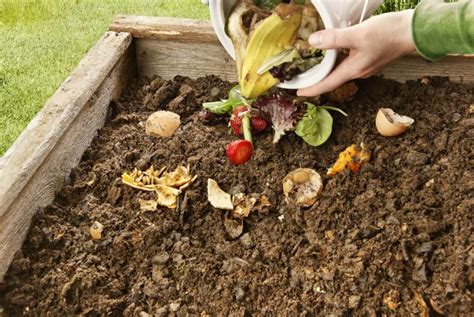
Understanding Natural Compost
At its core, natural compost is decomposed organic matter. It’s a rich, dark, crumbly material that acts as a superfood for your soil. Unlike synthetic fertilizers that merely add specific nutrients, compost improves the soil in multiple ways: it enhances soil structure, increases water retention, improves drainage, balances pH, and introduces a diverse microbial community that breaks down nutrients for plants.
Benefits Beyond Nutrients
- Improved Soil Structure: Compost helps sandy soils retain water and nutrients, and loosens heavy clay soils, promoting better aeration and root penetration.
- Enhanced Water Retention: Its sponge-like quality allows soil to hold more moisture, reducing the need for frequent watering.
- Reduced Erosion: Better soil structure leads to less runoff and soil loss.
- Disease Suppression: A healthy microbial population in compost can help suppress soil-borne diseases.
- Sustainable Waste Management: Diverts organic waste from landfills, reducing methane emissions.
Getting Started: Building Your Composting System
Starting a compost pile is simpler than you might think. You’ll need a suitable location and a method for composting. Choose a spot that’s well-drained, easily accessible, and preferably in partial shade to prevent excessive drying. Options for composting systems include:
- Open Piles: The simplest method, just a heap of organic materials. Best for larger gardens.
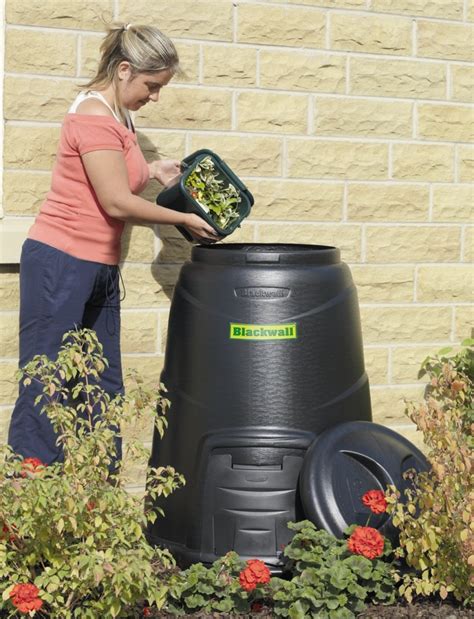
- Compost Bins: Enclosed structures (wooden, plastic, or wire mesh) that keep the pile tidy and can speed up decomposition.
- Tumbling Composter: A sealed drum that you turn regularly, ideal for smaller spaces and faster composting.
What to Compost: The Right Ingredients
The key to successful composting lies in balancing “greens” (nitrogen-rich materials) and “browns” (carbon-rich materials). Aim for a ratio of roughly 25-30 parts brown to 1 part green by weight, or a visual estimate of about 2-3 times more browns than greens.
Green Materials (Nitrogen-rich):
- Vegetable and fruit scraps
- Coffee grounds and tea bags
- Fresh grass clippings
- Plant trimmings (non-diseased)
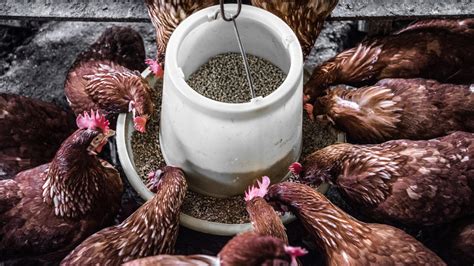
- Manure (from herbivores like chickens, cows, horses)
Brown Materials (Carbon-rich):
- Dried leaves
- Straw and hay
- Shredded newspaper and cardboard (non-glossy)
- Wood chips and sawdust (in moderation)
- Twigs and small branches
What NOT to Compost:
- Meat, bones, dairy products, oils, and greasy foods (attract pests, create odors).
- Diseased plants (can spread pathogens).
- Weeds that have gone to seed (seeds can survive and sprout in your garden).
- Pet waste from carnivorous animals (dogs, cats) (contains harmful pathogens).
- Chemically treated wood.
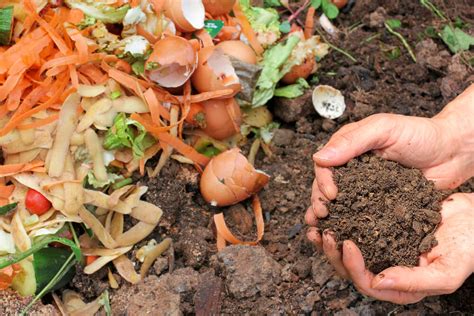
The Art of Composting: Balance is Key
Once you have your ingredients, the composting process needs four main components:
- Greens & Browns: As mentioned, maintain the right balance.
- Moisture: The pile should be consistently damp, like a wrung-out sponge. Water your pile if it’s too dry, especially during hot weather.
- Air: Aeration is crucial for aerobic bacteria, which decompose materials efficiently without producing foul odors. Turn your compost pile regularly (weekly to monthly) with a fork or aerator.
- Temperature: A healthy, active compost pile will generate heat, often reaching 120-160°F (49-71°C), which speeds decomposition and kills weed seeds and pathogens.
Layering is a good technique: start with a layer of browns, then greens, then a thin layer of soil (optional, to introduce microbes), and repeat. Chop larger items into smaller pieces to accelerate decomposition.

Applying Your ‘Black Gold’ to Garden Beds
Your compost is ready when it’s dark brown, crumbly, and smells earthy. It should no longer resemble the original materials. Using it in your garden is simple:
- Top-dressing: Spread a 1-2 inch layer over the surface of your garden beds in spring or fall. It will slowly work its way into the soil.
- Soil Amendment: Incorporate compost directly into the top 6-8 inches of soil when preparing new beds or amending existing ones. Use about 2-4 inches of compost for best results.
- Potting Mix Component: Mix compost with coir, perlite, or other materials to create your own nutrient-rich potting mix for containers.
- Mulch: Use a thicker layer of compost around plants to conserve moisture, suppress weeds, and provide a slow release of nutrients.
Regular application of compost will continuously improve your soil’s health, leading to more vigorous plants, better yields, and a more resilient garden ecosystem.

Troubleshooting Common Composting Issues
- Smelly Pile: Too much green material, not enough air. Add more browns (dried leaves, straw) and turn the pile.
- Pile Not Heating Up: Insufficient greens, too dry, or not enough aeration. Add nitrogen-rich materials, moisten the pile, and turn it.
- Pests: Often due to adding meat, dairy, or oily foods. Remove these items, turn the pile, and ensure it’s enclosed if pests are a recurring problem.
- Too Dry: Not enough moisture. Water the pile thoroughly, especially during dry spells.
Conclusion
Embracing natural composting is one of the most impactful steps you can take for your garden’s health and the environment. It’s a cyclical process that turns waste into a valuable resource, creating a vibrant, fertile foundation for all your plants. With a little effort and understanding, you can transform your garden into a flourishing ecosystem, rich with life and bursting with vitality, all thanks to the magic of homemade compost.