




Best methods for preserving fresh garden herbs for winter cooking?

Harvesting Your Garden’s Bounty for the Colder Months
As the gardening season winds down, don’t let the abundance of fresh herbs go to waste. Preserving your homegrown basil, rosemary, thyme, and mint means you can infuse your winter cooking with the bright, vibrant flavors of summer. There are several effective methods for preserving herbs, each suited to different types of herbs and culinary uses. By employing these techniques, you’ll ensure a steady supply of aromatic goodness for your soups, stews, roasts, and more, long after the first frost.

1. Freezing Herbs: Locking in Freshness
Freezing is arguably one of the best methods for retaining the fresh flavor and vibrant color of many tender herbs. It’s particularly effective for herbs like basil, parsley, cilantro, dill, chives, and mint.
Ice Cube Trays with Oil or Water
This popular method involves chopping herbs finely, packing them into ice cube trays, and covering them with a small amount of water or olive oil. Once frozen solid, pop out the cubes and store them in freezer-safe bags or containers. When you need herbs for cooking, simply drop a cube directly into your dish. The oil option is excellent for herbs destined for sautéing or sauces, while water works well for soups and stews.
Direct Freezing in Bags
For more robust herbs like rosemary, thyme, oregano, and sage, you can simply wash, pat dry, and remove the leaves from the stems. Spread them in a single layer on a baking sheet and flash freeze for an hour. Once firm, transfer them to freezer bags. This method allows you to easily break off pieces as needed, and the herbs will retain much of their texture and flavor.
2. Drying Herbs: The Traditional Approach
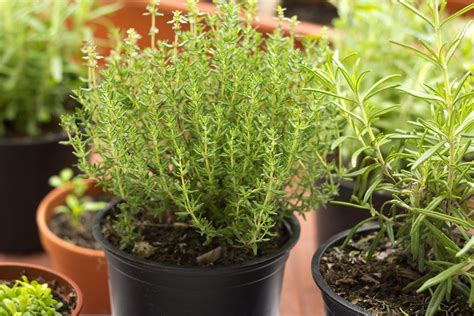
Drying is a time-honored method perfect for woody herbs with lower moisture content, such as rosemary, thyme, oregano, marjoram, and sage. Dried herbs offer a concentrated flavor that can enhance many winter dishes.
Air Drying
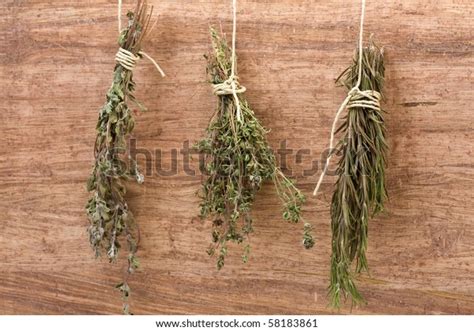
Bundling herbs and hanging them upside down in a warm, dry, and well-ventilated area is a simple and effective technique. Ensure there’s good airflow to prevent mold. Once brittle to the touch (usually 1-3 weeks), strip the leaves from the stems and store them in airtight containers away from direct sunlight. For leafy herbs like basil, a mesh drying rack or paper bag with holes can work better to prevent mold.
Dehydrator or Oven Drying
For a quicker method, a food dehydrator provides controlled heat and airflow. Spread clean, dry herb leaves in a single layer on the dehydrator trays and follow the appliance’s instructions, typically at a low temperature (around 95-125°F or 35-50°C) until fully dry. You can also use your oven on its lowest setting, leaving the door slightly ajar to allow moisture to escape, checking frequently to prevent scorching.
3. Preserving in Oil, Vinegar, or Salt: Flavor Infusion
These methods not only preserve but also infuse other ingredients with the wonderful essence of your herbs, creating versatile culinary building blocks.
Herb-Infused Oils and Vinegars
For robust flavor, steep fresh, clean, and completely dry herbs (like rosemary, thyme, or oregano) in high-quality olive oil or vinegar. These infusions can be used in dressings, marinades, or to finish dishes. Important Note: When making herb oils, especially with fresh garlic or herbs, there’s a risk of botulism if not stored properly. Always refrigerate fresh herb-infused oils and use them within a week, or blanch herbs before infusing and ensure they are completely dry to reduce risk. For longer storage, consider using dried herbs for oil infusions.
Herb Salts
Creating herb salts is a fantastic way to capture flavor. Simply finely chop herbs like rosemary, thyme, sage, or parsley and mix them thoroughly with coarse sea salt. Spread the mixture on a baking sheet and allow it to air dry for a few days, or lightly bake in a very low oven until fully dry. Store in an airtight jar. This makes a wonderful finishing salt for various dishes.
4. Other Creative Methods and Storage Tips
Compound Butters and Pesto
Whip chopped fresh herbs into softened butter to create compound butters, perfect for melting over vegetables, grilled meats, or slathering on bread. Roll into a log, wrap, and freeze. Similarly, homemade pesto (using basil, parsley, or even mint) can be frozen in small containers or ice cube trays for quick use.
Proper Storage is Key
Regardless of the method, proper storage is crucial. Always label your preserved herbs with the date and type of herb. Store dried herbs in airtight containers in a cool, dark place away from direct sunlight, which can degrade their flavor and color. Frozen herbs should be kept in tightly sealed freezer bags or containers to prevent freezer burn.

Enjoying Your Garden All Year Round
By implementing these various preservation methods, you can savor the distinct taste of your garden’s bounty throughout the winter months. Experiment with different techniques for different herbs to find your favorites. Not only will you elevate your winter cooking, but you’ll also reduce food waste and enjoy the satisfaction of using your homegrown produce year-round.