

How to naturally amend clay soil for a productive country garden & better real food yield?
Understanding the Nature of Clay Soil
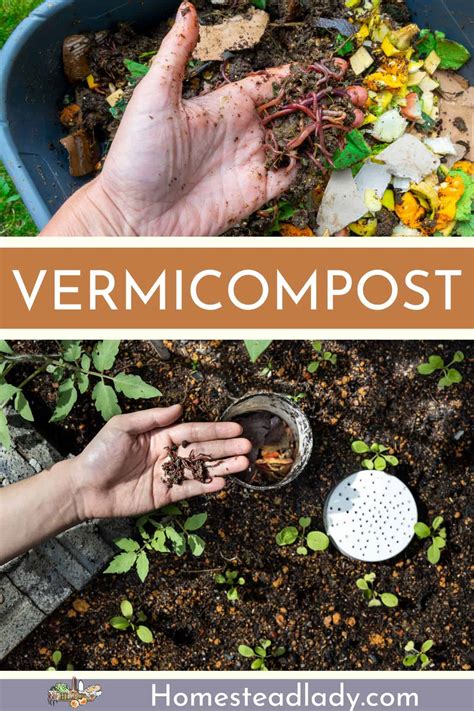
Clay soil, often a common feature in many country landscapes, presents both challenges and opportunities for the aspiring gardener. Known for its dense, heavy texture, clay is characterized by very fine mineral particles that pack together tightly, leading to poor drainage and compaction issues. While this density can make it difficult for roots to penetrate and can lead to waterlogging, clay soil is also rich in essential nutrients because its fine particles have a high cation exchange capacity (CEC), meaning it can hold onto nutrients exceptionally well. The key is to unlock this potential by improving its structure.
Why Amending Clay Soil Matters for Your Yield
For a productive country garden, especially one focused on real food yield, amending clay soil is not just beneficial, it’s often crucial. Unamended clay can suffocate roots, restrict nutrient uptake despite its inherent richness, and create an environment prone to fungal diseases due to poor aeration. By improving soil structure, you enhance drainage, increase oxygen availability to roots, facilitate microbial activity, and make it easier for plants to access the stored nutrients, all of which directly contribute to healthier plants and significantly better yields of vegetables, fruits, and herbs.

The Power of Organic Matter: Your Best Friend
Compost: The Gold Standard
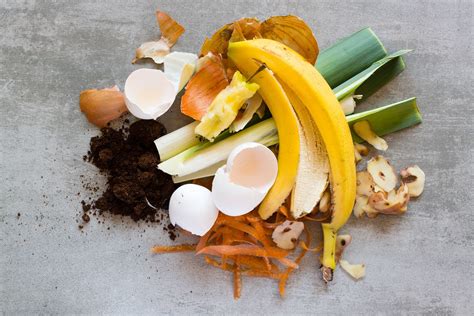
Adding copious amounts of organic matter is the most effective and natural way to amend clay soil. Compost stands out as the absolute best amendment. Its diverse organic materials help to create larger soil aggregates, improving aeration and drainage while also enhancing the soil’s ability to retain moisture and nutrients. Aim for a generous application of 2-4 inches spread over your garden beds annually, working it into the top 6-12 inches of soil, or better yet, applying it as a top dressing in a no-till system. Regular additions will gradually transform even the toughest clay into friable, productive loam.
Other Organic Additions
- Aged Manure: Like compost, well-rotted animal manure (from cows, chickens, horses, etc.) adds organic matter and nutrients. Ensure it is aged to prevent burning plants with excessive nitrogen.
- Leaf Mold: Decomposed leaves are an excellent source of carbon-rich organic matter that greatly improves soil structure over time.
- Wood Chips & Bark: While slow to break down, these can be used as mulch to protect the soil surface and gradually incorporate organic matter as they decompose, especially around perennial plants or pathways. Avoid mixing large amounts directly into the soil where they can temporarily tie up nitrogen.
Cover Cropping: Nature’s Soil Engineers
Cover crops are a natural, living solution to clay soil challenges. Planting specific crops like annual ryegrass, crimson clover, or daikon radish in off-seasons or fallow areas performs several crucial functions. Their extensive root systems physically break up compacted clay, creating pathways for water and air. When these crops are tilled under or left to decompose on the surface (chop and drop), they contribute a wealth of green manure, further enriching the soil with organic matter and nutrients. Leguminous cover crops also fix atmospheric nitrogen, providing a natural fertilizer boost.
Embracing No-Till and Raised Beds
No-Till Gardening
Traditional tilling can actually exacerbate compaction in clay soil by breaking down soil aggregates. Adopting a no-till or minimal-till approach allows the soil food web to flourish undisturbed, promoting the formation of stable soil aggregates through the action of fungi, bacteria, and earthworms. This method, combined with consistent organic matter additions, is incredibly effective for long-term clay soil improvement.

Raised Garden Beds
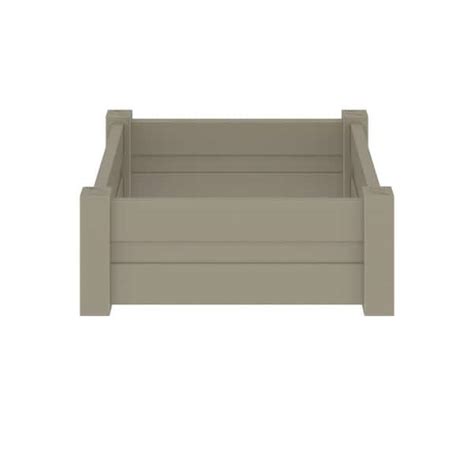
For those facing particularly stubborn clay or wanting to expedite the process, raised garden beds offer an immediate solution. By building frames and filling them with a custom blend of good topsoil, compost, and other organic amendments, you bypass the challenges of the native clay. While this requires an initial investment, it provides instant excellent drainage and soil structure, allowing you to get a head start on productive gardening while you work on improving the surrounding native soil.
Consider Gypsum (with Caution)
Calcium sulfate, commonly known as gypsum, is occasionally recommended for clay soils. It can help improve the structure of sodic (high sodium) clay soils by displacing sodium ions, which cause clay particles to disperse. However, if your clay soil is not sodic, gypsum may offer little to no benefit and is generally not as effective as organic matter for overall soil improvement. It’s wise to perform a soil test to determine if your soil has a sodium problem before considering gypsum.
Long-Term Benefits for Your Country Homestead
Naturally amending your clay soil is a marathon, not a sprint, but the rewards are profound. Over time, you will observe significant improvements: easier digging, better water infiltration, fewer weeds, healthier plant growth, and ultimately, a more abundant and consistent harvest of nutritious real food. This sustainable approach not only benefits your garden but also contributes to the overall health and productivity of your country homestead, fostering a resilient ecosystem that supports vibrant life above and below the ground.