



How to amend heavy clay soil for a productive kitchen garden?

Heavy clay soil can be a gardener’s bane, presenting numerous challenges from poor drainage to compaction. However, with the right approach and consistent effort, this dense soil can be transformed into a highly fertile foundation for a thriving kitchen garden. Rich in nutrients, clay soil just needs a little help to unlock its potential. This guide will walk you through the most effective ways to amend heavy clay soil, ensuring a bountiful harvest.
Understanding Heavy Clay Soil’s Challenges
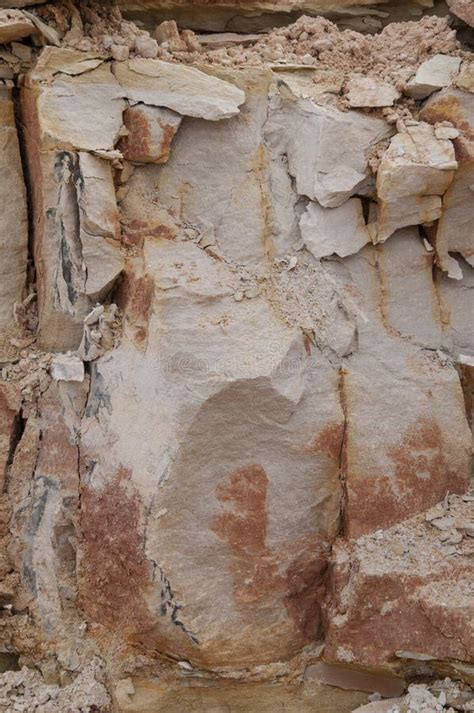
Clay soil particles are tiny and flat, packing together tightly with very little space between them. This structure leads to several common problems:
- Poor Drainage: Water struggles to penetrate and drain, leading to waterlogging and root rot.
- Compaction: When dry, clay can become rock-hard, making it difficult for roots to grow and for air and water to penetrate.
- Slow to Warm Up: Dense, wet clay retains cold, delaying planting in spring.
- Difficult to Work: It’s sticky when wet and brick-like when dry, making digging and planting a chore.
Despite these drawbacks, clay soil is often rich in minerals, holding onto nutrients exceptionally well once they are available. The key is to improve its structure.
The Transformative Power of Organic Matter
The single most important amendment for heavy clay soil is organic matter. It acts like a magic wand, improving almost every aspect of clay soil structure:
- Aeration & Drainage: Organic matter binds clay particles into larger aggregates, creating air pockets and improving water infiltration.
- Nutrient Retention: It improves the soil’s capacity to hold onto vital nutrients, preventing them from leaching away.
- Workability: It makes the soil lighter, looser, and easier to dig and cultivate.
- Microbial Activity: It feeds beneficial soil microbes, enhancing soil health and nutrient cycling.
- Water Retention: Paradoxically, while improving drainage, organic matter also helps the soil retain moisture for longer during dry spells.
Recommended Organic Materials:
- Compost: Well-rotted compost is ideal. It’s balanced and introduces a rich diversity of beneficial microorganisms.
- Well-Rotted Manure: Excellent for adding nutrients and organic matter. Ensure it’s fully decomposed to avoid burning plants or introducing weed seeds.
- Leaf Mold: Decomposed leaves provide superb long-term organic matter.
- Cover Crops: Planting and then tilling in cover crops (green manure) is a natural way to add organic matter and protect soil.

Step-by-Step Amending Techniques
Amending clay soil is a process that yields best results over time, but initial significant improvements can be made quickly.
1. Initial Soil Preparation
Before adding amendments, clear the area of weeds and debris. Consider a soil test to understand your soil’s specific pH and nutrient profile, which can guide further amendments.
2. Incorporating Organic Matter
This is where the real work begins. The goal is to mix a substantial amount of organic matter into the top 6-12 inches of soil.
- Broadforking or Double Digging: For new beds, deeply loosen the soil. A broadfork is less disruptive to soil layers than double digging and helps break up compaction. If double digging, remove the top layer of soil, loosen the subsoil, and then replace the top layer mixed with amendments.
- Mixing In: Spread a 4-6 inch layer of your chosen organic matter (compost, manure) over the surface. Use a garden fork, spade, or tiller to thoroughly mix this into the existing clay soil. Aim to incorporate it deeply for the best results.
3. Consider Gypsum (with caution)
Gypsum (calcium sulfate) can sometimes help flocculate (clump together) clay particles, improving drainage. However, it’s most effective on sodic (high sodium) clay soils and can be detrimental if your soil doesn’t need it. A soil test will indicate if gypsum is appropriate for your specific soil type.
4. Building Raised Beds
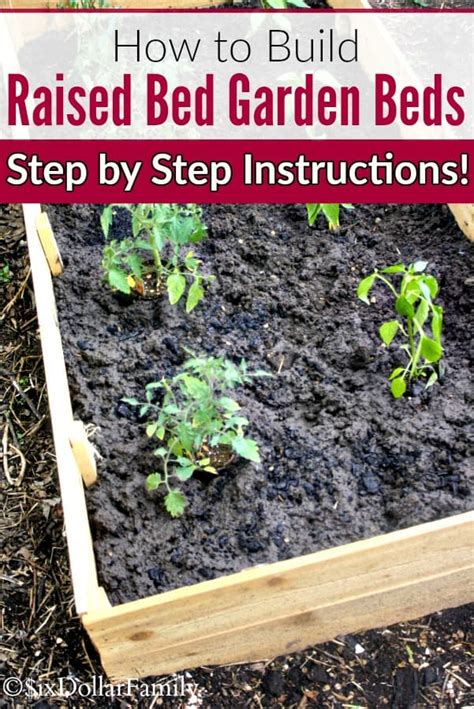
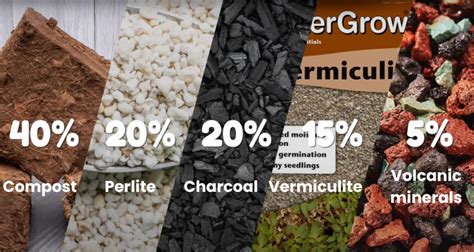
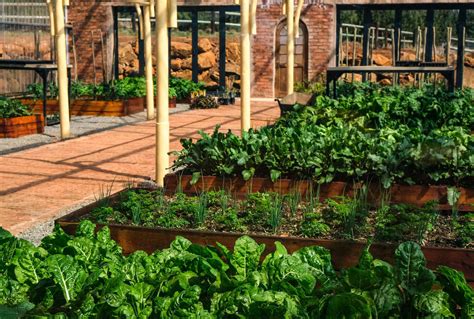
If your clay soil is exceptionally difficult or you want quicker results, building raised beds is an excellent solution. You can fill them with a custom soil mix that drains well and is rich in organic matter, essentially bypassing the challenges of the native clay. Ensure good drainage from the raised bed itself.
Beyond Initial Amending: Long-Term Strategies
Soil improvement is an ongoing process. Here are practices to maintain and further enhance your clay soil:
- Top-Dress Annually: Each spring or fall, apply a 1-2 inch layer of compost over your garden beds. Earthworms and other soil organisms will gradually pull this organic matter down, continuously improving the soil structure.
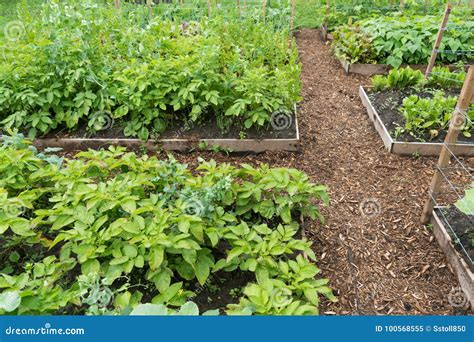
- Mulch Regularly: A layer of organic mulch (straw, wood chips, shredded leaves) helps suppress weeds, conserve moisture, moderate soil temperature, and slowly break down to add more organic matter to the soil.
- Plant Cover Crops: In off-seasons, plant cover crops like clover, vetch, or rye. Their roots break up compaction, and when tilled in, they add valuable organic matter.
- Avoid Compaction: Never walk on wet clay soil, as this compacts it severely. Use dedicated pathways and avoid working the soil when it’s saturated.
- Minimal Tillage: Once your soil is amended, practice minimal tillage to preserve the newly formed soil structure and the delicate soil food web.
The Rewards of Your Efforts
Amending heavy clay soil requires effort and patience, but the rewards are well worth it. You’ll observe significant improvements in:
- Easier Digging and Planting: The soil will become crumbly and pleasant to work with.
- Better Drainage: No more soggy roots or standing water after rain.
- Vigorous Plant Growth: Roots can spread freely, leading to stronger, healthier plants and higher yields.
- Reduced Watering Needs: Improved water retention means less frequent irrigation.
- Increased Productivity: A healthier soil ecosystem supports a more productive and resilient kitchen garden.
By consistently adding organic matter and practicing good soil management, you’ll transform your challenging clay soil into a rich, living medium that will support a thriving and abundant kitchen garden for years to come. Your plants, and your back, will thank you!