




Best ways to preserve garden harvest naturally, no canning?

As gardeners, there’s immense satisfaction in harvesting a bounty of fresh produce. But what do you do when your garden yields more than you can eat in a week? Instead of letting it go to waste or turning to traditional canning methods, there are numerous natural and effective ways to preserve your harvest. These techniques often require less specialized equipment and can maintain the vibrant flavors and nutrients of your homegrown food.
Embrace the Freezer: A Modern Root Cellar
Freezing is arguably one of the simplest and most effective ways to preserve fruits and vegetables while retaining their nutritional value and flavor. Most vegetables require blanching before freezing to stop enzyme activity, which can otherwise lead to loss of flavor, color, and texture. Fruits, however, can often be frozen raw, either whole, sliced, or pureed.
For vegetables like broccoli, green beans, peas, and corn, boil them briefly, then plunge into an ice bath to stop the cooking. Drain thoroughly and pack into freezer-safe bags or containers, removing as much air as possible to prevent freezer burn. Berries, peaches, and even herbs like basil (pureed with a little olive oil) freeze beautifully, ready to be enjoyed months later.

Dehydration: Concentrating Flavor Naturally
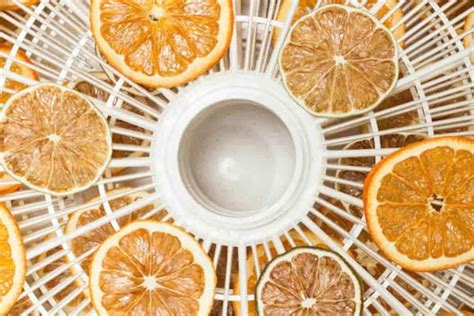
Drying or dehydrating removes moisture from food, inhibiting spoilage and concentrating its flavors. This ancient method can be done using a food dehydrator, a low oven, or even the sun in hot, dry climates. Ideal candidates for dehydration include herbs, fruit leathers, apple rings, tomato slices, and even finely chopped vegetables for soup mixes.
Prepare your produce by washing, slicing uniformly, and removing any blemishes. Arrange pieces in a single layer on dehydrator trays or baking sheets. The drying time will vary depending on the food’s moisture content, thickness, and the method used. Fully dried foods should be pliable but not sticky, or brittle and crisp. Store in airtight containers away from direct light and heat.
The Art of Fermentation: Probiotic Powerhouses
Fermentation is a transformative process where beneficial microorganisms convert sugars into lactic acid, alcohol, or acetic acid, preserving food and often enhancing its nutritional profile. This method creates delicious probiotic-rich foods like sauerkraut, kimchi, and lacto-fermented pickles. It’s a fantastic way to extend the life of cabbage, cucumbers, carrots, and other crisp vegetables.
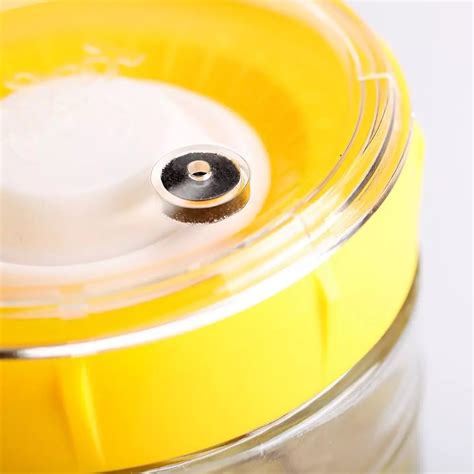
To ferment, vegetables are typically submerged in a brine (salt and water) or massaged with salt to release their own juices. The exclusion of oxygen and the presence of salt create an ideal environment for beneficial bacteria to thrive. Use clean jars, a weight to keep vegetables submerged, and an airlock or loosely fitting lid to allow gases to escape. Fermented foods are typically stored in the refrigerator once fermentation is complete, where they can last for months.
Cool Storage & Root Cellaring: Simple and Effective
Before refrigeration, root cellars and cool storage areas were essential for extending the life of many crops. Even without a dedicated root cellar, you can mimic these conditions in a cool, dark, and moderately humid space like a basement, unheated garage, or even a cool closet. Vegetables like potatoes, carrots, beets, winter squash, and onions are excellent candidates.
Ensure produce is undamaged and dry before storing. Potatoes and apples prefer dark, cool, and humid conditions, often stored in breathable containers like baskets or burlap sacks. Onions and garlic, on the other hand, need cool, dry, and airy conditions, often braided or hung in mesh bags. Regularly check stored items for spoilage to prevent it from spreading.
Other Creative Preservation Methods
Beyond the core methods, there are other natural ways to preserve specific garden treasures. Herbs can be preserved in oil by infusing them into olive oil, creating flavorful cooking oils (though these should be refrigerated and used within a few weeks due to botulism risk if not handled correctly). Another option is making herb vinegars. You can also make fruit compotes or sauces that are stored in the refrigerator for shorter periods, or cooked down significantly and frozen.
Experimentation is key when it comes to preserving your harvest naturally. Each method offers unique flavors and textures, allowing you to enjoy the fruits (and vegetables!) of your labor long after the growing season has ended. By embracing these techniques, you not only reduce food waste but also ensure a supply of healthy, homegrown ingredients year-round.