

Practical ways to involve kids in garden-to-table real food meals?

Cultivating Young Palates from Garden to Plate
Involving children in the journey from garden to table is more than just a fun activity; it’s a powerful way to foster healthy eating habits, develop practical life skills, and deepen their understanding of where food truly comes from. In an era dominated by processed foods, connecting kids directly to fresh, real ingredients can ignite a lifelong passion for wholesome eating. This guide offers practical, age-appropriate ways to get your children excited and engaged every step of the way.

The Garden: Where the Magic Begins
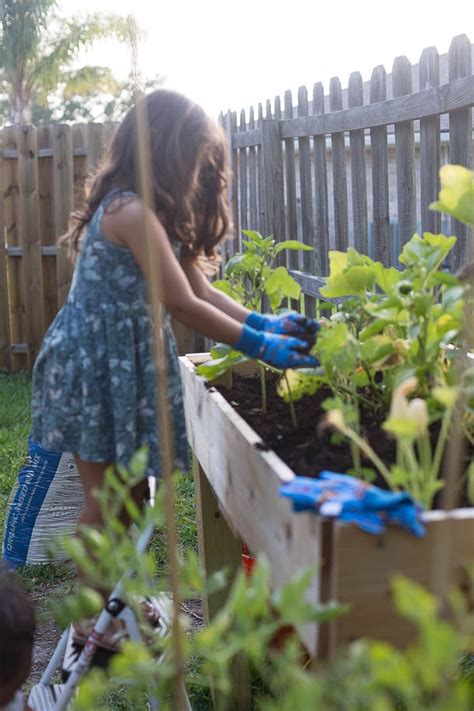
The most fundamental step is getting hands-on in the garden itself. Even a small container garden on a balcony can be a fantastic starting point.
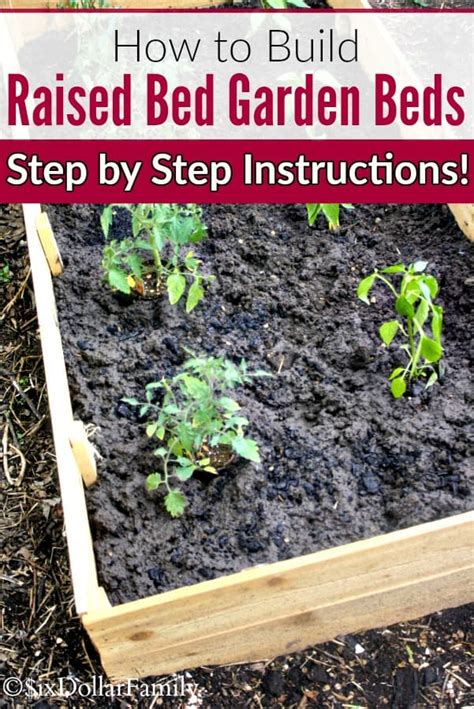
- Seed Selection & Planting: Let kids choose what to grow (within reason!). Provide them with their own small tools, gloves, and a designated patch or pot. Explain the life cycle of a plant as you sow seeds or plant seedlings. They can help dig small holes, gently place seeds, and water them. This simple act of nurturing something from a tiny seed creates immense pride and anticipation.
- Watering & Weeding: Assign age-appropriate garden chores. Younger children can be responsible for watering with a child-sized watering can. Older kids can learn to identify weeds and help pull them, understanding their role in protecting the desired plants.
- Observing Growth: Encourage daily check-ins. “How much has our tomato plant grown today?” “Do you see any new flowers on the zucchini?” This builds curiosity and patience.

The Harvest: The Sweet Reward
The moment of harvest is often the most exciting for children. It’s the culmination of their efforts and the tangible proof of their hard work.
- Picking Together: Involve them in carefully picking ripe fruits and vegetables. Teach them how to identify ripeness and the correct way to pluck or cut produce without damaging the plant. Cherry tomatoes, snap peas, strawberries, and small cucumbers are particularly rewarding for little hands.
- Washing & Cleaning: Bring the bounty indoors and make washing vegetables a joint effort. A basin of water and a scrub brush can turn a chore into a sensory play experience. They can help remove dirt, trim ends, and sort the produce.
The Kitchen: Culinary Adventures Await
Once the fresh produce is clean, the real food transformation begins in the kitchen.
- Age-Appropriate Prep Tasks:
- Toddlers & Preschoolers: Tearing lettuce for salads, washing herbs, stirring ingredients, mashing soft fruits/vegetables (like avocados for guacamole), snapping green beans, spreading butter or jam.
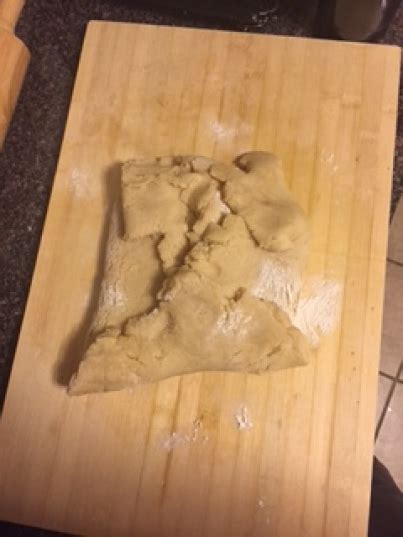
- Elementary Schoolers: Peeling vegetables with a peeler (under supervision), chopping soft ingredients with a child-safe knife, measuring ingredients, whisking eggs, kneading dough, setting the table.
- Tweens & Teens: Following simple recipes, using a chef’s knife with guidance, operating small appliances, taking on more complex cooking tasks, planning menus.
- Recipe Selection: Choose recipes that highlight the garden’s bounty. Simple stir-fries, fresh salads, homemade pizzas with garden toppings, fruit crumbles, or vegetable soups are excellent choices. Let them help pick the recipe.
- Taste Testing: Encourage them to taste ingredients throughout the cooking process. Talk about flavors, textures, and aromas. This helps develop their palate and makes them more adventurous eaters.

Mealtime: Savoring the Fruits of Labor
Eating the meal they helped create is the ultimate reward and reinforces the entire garden-to-table cycle.
- Setting the Table: Involve them in setting the table, arranging napkins, and pouring water. This teaches responsibility and contributes to the mealtime atmosphere.
- Discussing the Meal: During dinner, talk about the ingredients. “Remember how small these carrots were when we planted them?” or “Isn’t it amazing how our tomatoes taste so much better than store-bought ones?” This reinforces the connection to their hard work.
- Praise and Encouragement: Acknowledge their efforts and praise their contributions, no matter how small. This builds confidence and makes them more likely to participate again.

Beyond the Plate: Continuous Learning
The garden-to-table experience doesn’t end when the meal is over.
- Composting: Teach kids about food waste and how scraps can enrich the soil for future planting. They can help collect fruit and vegetable peels for a compost bin.
- Seed Saving: If you grow open-pollinated varieties, show them how to save seeds for next year’s garden. This teaches resourcefulness and the cyclical nature of life.
- Journaling/Drawing: Encourage them to keep a garden journal, drawing the plants at different stages or writing about their favorite recipes.
Involving children in garden-to-table real food meals is a journey of discovery, growth, and delicious rewards. It transforms eating from a passive act into an engaging adventure, cultivating not just healthy produce, but also healthy habits and a deeper appreciation for the food that nourishes us. Start small, be patient, and enjoy the process – the memories and lessons learned will be priceless.