



What authentic recipe testing blunders connect most with home cooks?

Ever wondered what really goes on behind the scenes when a professional chef or food blogger develops a new recipe? It’s rarely a flawless journey from concept to perfect plate. More often, it’s a messy, mistake-ridden process filled with blunders that, surprisingly, make the final product all the more authentic and relatable. For home cooks, these aren’t just professional missteps; they’re echoes of their own kitchen struggles, fostering a deep connection and trust in the recipes they eventually follow.
The Universal Language of “Oops”: Ambiguous Instructions
One of the most common and frustrating blunders, both for testers and home cooks, stems from unclear instructions. A recipe developer might instinctively know what “sauté until softened” means in terms of texture and time, but a novice home cook might end up with burnt onions or raw vegetables. Professional testers often highlight these ambiguities, catching omissions like forgetting to specify a pan size or an exact measurement, leading to wildly inconsistent results. We’ve all been there: staring at a pot, wondering if “medium heat” means a gentle simmer or a vigorous boil.
Ingredient Substitutions: A Tale of Woe
Recipe testers are often tasked with trying out substitutions, but sometimes, even the pros get it wrong. Swapping baking soda for baking powder, using wrong fat percentages, or misjudging the potency of a spice can turn a masterpiece into a disaster. Home cooks intimately understand this blunder because they frequently attempt similar swaps based on pantry availability or dietary needs. A test kitchen might discover that while almond flour works for one cake, it completely ruins another due to differing gluten structures or moisture absorption. These are the “why did my cake collapse?” moments that resonate universally.
The Elusive Art of Temperature and Timing
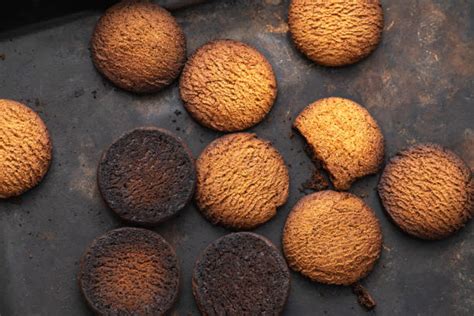
Oven calibrations vary wildly, stovetop burners have different strengths, and even ambient kitchen temperature can affect a dish. A recipe tested in a professional kitchen with a perfectly calibrated oven might yield a burnt top and raw center in a home oven. Testers meticulously record times and temperatures, adjusting for variances, but often encounter their own “undercooked” or “overbaked” moments. For the home cook who has pulled out a seemingly done dish only to find it wanting, this blunder is a familiar, often disheartening, experience.
Scaling Nightmares: More Than Just Math
Doubling or halving a recipe seems straightforward, but it’s a common pitfall even for experienced developers. Baking, especially, is a delicate science where ratios matter more than simple multiplication. Doubling a cake batter might require a longer baking time or a different pan size, not just twice the ingredients. Liquids might evaporate differently, spices might become overwhelming, or a delicate emulsion might break. Testers grappling with a giant, gummy batch of cookies or a soupy sauce after scaling are experiencing the same frustrations that home cooks face when trying to feed a crowd or just themselves.

The Pitfall of Perfectionism: Over-Complicating Simplicity
Sometimes, a recipe tester or developer, in an effort to make a dish unique or gourmet, introduces unnecessary steps or obscure ingredients. This can lead to a recipe that is technically sound but utterly impractical for the average home cook. Blunders here aren’t about failure to execute, but failure to connect with the target audience’s reality. When a tester realizes that a complex technique adds little to the flavor but a lot to the prep time, they’ve hit a relatable snag: the desire for an impressive dish clashing with the realities of a busy life. Simplifying the process is often born out of these “too much work for too little payoff” moments.

The Shared Experience of Culinary Humanity
Ultimately, the reason these authentic recipe testing blunders resonate so deeply with home cooks is that they reveal the shared humanity of cooking. No one is immune to mistakes, whether in a high-tech test kitchen or a cozy home one. These errors, when acknowledged and corrected, don’t diminish the expertise of the recipe developer; they enhance it. They show that the journey to a perfect recipe is iterative, empathetic, and born from real-world trials and tribulations.
It’s in these moments of shared culinary “oops” that trust is built. A recipe that has been refined through identifiable struggles feels more robust, more forgiving, and ultimately, more achievable for the home cook. It’s a subtle nod from the professional kitchen, saying, “We made these mistakes so you don’t have to (or at least, you’ll understand why if you do!).”