


Safely water bath can low-acid garden vegetables?
Understanding the Basics of Home Canning Safety
For generations, home canning has been a cherished tradition in country living, allowing families to preserve the bounty of their gardens and enjoy fresh flavors year-round. However, the question of how to safely preserve different types of produce, especially low-acid vegetables, is paramount. While water bath canning is a popular and relatively simple method for high-acid foods, its suitability for low-acid garden vegetables is a common point of confusion and, critically, a significant food safety concern.

The Dangers of Low-Acid Foods and Water Bath Canning
Water bath canning involves submerging jars of food in boiling water (212°F or 100°C) for a specific duration. This method is effective for high-acid foods like most fruits, pickles, and tomatoes (with added acid) because the high acidity prevents the growth of Clostridium botulinum, the bacterium responsible for botulism, a rare but deadly foodborne illness.
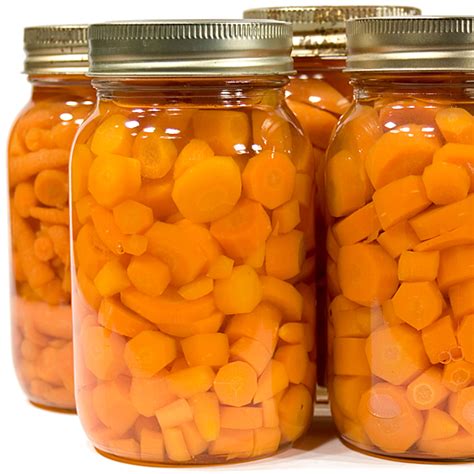
Low-acid vegetables, which include most common garden produce like green beans, corn, peas, carrots, potatoes, and meats, have a pH level above 4.6. In this less acidic environment, Clostridium botulinum spores can survive boiling water temperatures and, in the anaerobic (oxygen-free) environment of a sealed jar, multiply and produce a potent toxin.
Why Pressure Canning is Essential for Low-Acid Foods
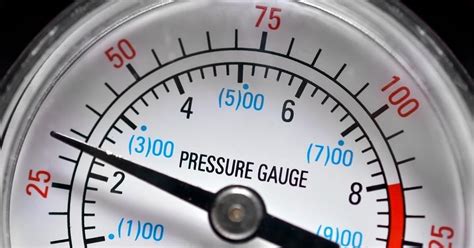
To safely preserve low-acid foods, temperatures significantly higher than boiling water are required to destroy botulism spores. This is where pressure canning becomes indispensable. A pressure canner works by creating steam under pressure, raising the temperature inside the canner well above the boiling point, typically to 240°F (116°C) or higher. These elevated temperatures are sufficient to kill all harmful bacteria, including Clostridium botulinum spores, ensuring the food is safe for long-term storage.
Using a pressure canner is not optional for low-acid foods; it is a critical safety requirement. Modern pressure canners are designed with safety features and are straightforward to use when following manufacturer instructions and tested recipes from reputable sources like the National Center for Home Food Preservation (NCHFP) or university extension offices.
When Can Low-Acid Foods Be Water Bath Canned?
There are a few specific circumstances where low-acid ingredients can be processed in a water bath canner, but these always involve altering the acidity of the food:
- Pickling: When low-acid vegetables like cucumbers, green beans, or beets are brined in a solution with sufficient vinegar (acetic acid) to lower the overall pH of the product to 4.6 or below, they become high-acid foods and can be safely water bath canned.
- Acidified Tomatoes: Tomatoes, while often considered high-acid, sometimes hover near the borderline. For safety, all home-canned tomatoes (whole, crushed, or juiced) require the addition of acid (lemon juice, citric acid, or vinegar) before water bath canning.
- Salsa and Relishes: Many salsa and relish recipes combine low-acid vegetables with large amounts of high-acid ingredients like vinegar, lime juice, or tomatoes, bringing the overall pH down to a safe level for water bath processing.
It is crucial to follow only tested, scientifically validated recipes for these applications to ensure the correct pH is achieved for safe preservation.

Key Takeaways for Safe Home Canning
To summarize the golden rules for preserving your garden’s bounty:
- Know Your Food’s Acidity: Understand which of your garden vegetables are low-acid and which are high-acid.
- Use the Right Method: Always use a pressure canner for low-acid foods unless a tested recipe specifically calls for water bathing due to acidification.
- Follow Tested Recipes: Never guess or experiment with canning recipes. Rely on current, research-backed guidelines from trusted sources.
- Maintain Equipment: Ensure your pressure canner’s gauge is accurate and that gaskets and other parts are in good working order.
By adhering to these safety guidelines, you can confidently preserve your low-acid garden vegetables, ensuring delicious and safe food for your family throughout the year. Embrace the tradition of home canning with knowledge and care, making your country living truly self-sufficient and secure.