




Maximizing rustic flavor in simple, country-style homemade meals?
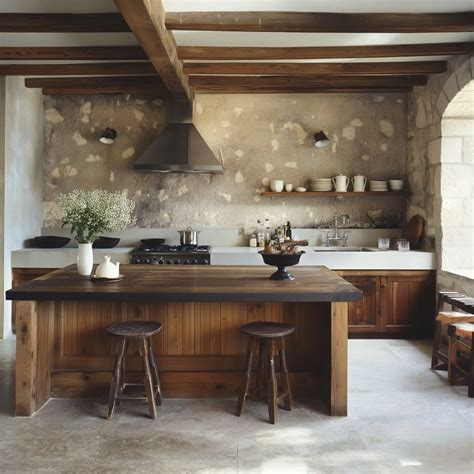
Embracing the Soul of Rustic Cooking
There’s a certain undeniable charm to rustic, country-style meals – a heartwarming simplicity that speaks of tradition, wholesome ingredients, and deep, comforting flavors. It’s not about complex techniques or exotic spices, but rather an honest approach to cooking that brings out the best in natural ingredients. But how do you consistently achieve that profound, earthy, and truly ‘rustic’ taste in your simple homemade dishes?

The Foundation: Start with Quality, Unfussy Ingredients
The secret to rustic flavor begins with your pantry and produce drawer. Prioritize fresh, seasonal, and ideally, locally sourced ingredients. Think robust root vegetables like carrots, potatoes, and parsnips, hardy greens such as kale and collards, and quality cuts of meat, often those that benefit from slower cooking. Avoid overly processed items; the less intervention between the farm and your plate, the better. Rustic cooking celebrates the inherent flavors of each component.
Don’t overlook the importance of good fats. Butter, lard, and high-quality olive oil are not just cooking mediums; they are flavor carriers that add richness and depth essential to country-style cuisine. Similarly, a well-made stock or broth, preferably homemade, can elevate any dish from ordinary to extraordinary, serving as the flavorful backbone for stews, soups, and gravies.
Time-Honored Cooking Techniques for Depth
Rustic cooking often involves techniques that build flavor over time, encouraging ingredients to meld and deepen. Slow cooking, braising, and roasting are your best friends here. These methods allow meats to become fall-apart tender and vegetables to caramelize, developing sweet, savory notes that can’t be rushed. Consider using sturdy cookware like cast iron skillets, Dutch ovens, and clay pots, which distribute heat evenly and contribute to a beautiful crust or tender interior.

Deglazing is another powerful, yet simple, technique. After sautéing meats or vegetables, pour a little wine, stock, or water into the hot pan to scrape up the browned bits (fond) stuck to the bottom. This “fond” is pure flavor gold and should always be incorporated into your sauce or broth.
Harnessing Natural Aromatics and Herbs
While exotic spices have their place, rustic cuisine often relies on a more restrained palette of herbs and aromatics that complement rather than overpower. Onions, garlic, celery, and carrots form the classic “mirepoix” (or soffritto in Italian cooking), providing a foundational aromatic base for countless dishes. Fresh herbs like thyme, rosemary, bay leaves, and parsley are indispensable. They add a fragrant, earthy dimension that is quintessentially rustic. Use them generously, either tied in a bouquet garni for slow-cooked dishes or finely chopped as a fresh finish.

The Magic of Acidity and Seasoning
Balance is key to maximizing flavor. A touch of acidity can brighten heavy, rich dishes and cut through fattiness. A splash of good quality vinegar (apple cider, red wine, or balsamic), a squeeze of lemon juice, or even a can of diced tomatoes can provide this lift. Don’t forget proper seasoning throughout the cooking process. Taste as you go, adjusting salt and pepper, and allowing flavors to develop gradually. Finishing with a pinch of sea salt or a crack of black pepper can make all the difference.

Bringing It All Together: Everyday Tips
- Embrace Imperfection: Rustic food isn’t about perfection; it’s about comfort and flavor. Don’t stress over presentation.
- Cook with Purpose: Understand the role of each ingredient and technique. Sautéing onions until deeply golden, for instance, adds much more flavor than simply translucent onions.
- Utilize Leftovers: Rustic cooking is economical. Turn leftover roasted vegetables into a frittata or combine leftover meat with stock for a hearty soup.
- Simple Grains: Incorporate hearty grains like farro, barley, or even simple white beans or lentils into your meals for texture and substance.
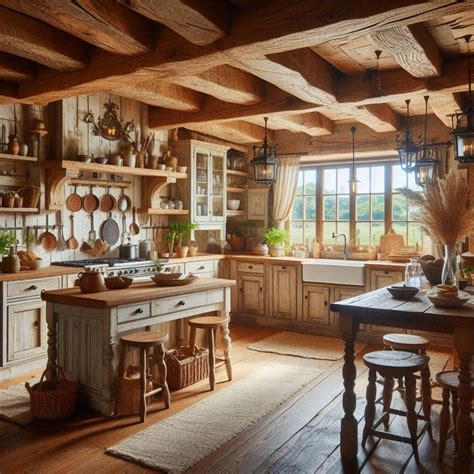
Conclusion
Maximizing rustic flavor in simple, country-style homemade meals is an art born from appreciation for quality ingredients, patience in traditional cooking methods, and a discerning use of aromatics and seasonings. By focusing on these core principles, you can transform your everyday cooking into a soulful, satisfying experience that truly tastes of home and hearth.