

Tips for turning real food scraps into wholesome, no-waste homemade country meals?

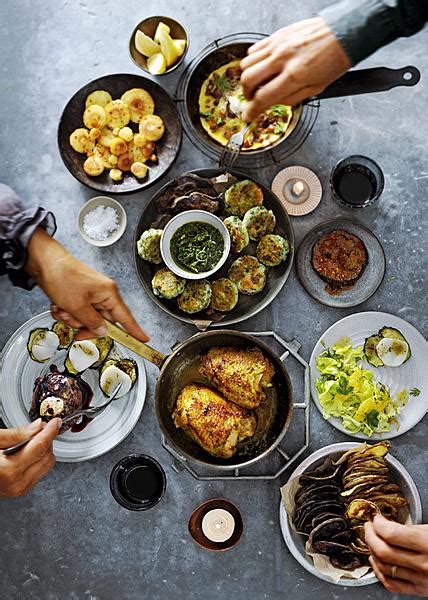
In an age where sustainability is paramount, the kitchen remains one of the most significant battlegrounds against waste. For generations, country cooks intuitively understood the value of every ingredient, turning what many now consider ‘scraps’ into hearty, flavorful meals. Embracing this heritage not only saves money but also unlocks incredible depth of flavor and reduces your environmental footprint. Let’s delve into how you can elevate your cooking by giving a second life to your real food scraps.
The Heart of No-Waste Cooking: Why It Matters
Moving towards a no-waste kitchen isn’t just a trend; it’s a return to fundamental cooking principles that prioritize resourcefulness and respect for food. By utilizing every part of your ingredients, you unlock a richer spectrum of flavors often discarded, reduce your grocery bill, and contribute to a healthier planet by minimizing landfill waste. It’s about seeing potential where others see discards.

Category is King: Mastering Your Scrap Collection
The first step to successful scrap cooking is understanding what you have and how to store it effectively. A dedicated container in your freezer for each category of scrap is a game-changer.
Vegetable Scraps: From Roots to Rinds
Vegetable peels, roots, wilted greens, onion skins, and herb stems are culinary goldmines. Instead of tossing them, collect them in a freezer bag. Once you have a good quantity, they are the foundation for the most flavorful homemade vegetable broth or stock. This stock can then be used in soups, stews, risottos, or as a base for cooking grains.
Harder vegetable ends, like broccoli stalks or cauliflower cores, can be finely grated into fritters, added to stir-fries, or roasted alongside other vegetables. Even potato peels, when seasoned and baked, make crispy, delicious ‘skin chips’.

Meat & Dairy Scraps: Building Flavor Foundations
Bones from roasted chickens or beef, pan drippings, and even small bits of leftover cooked meat are invaluable. Bones simmered slowly create rich, nutritious bone broth, a cornerstone of country cooking. Pan drippings can be rendered into flavorful fat for roasting vegetables or making gravies. Leftover bits of cooked meat can be finely diced and added to hashes, omelets, or as a savory filling for hand pies.
Bread & Grain Scraps: From Stale to Stellar
Stale bread is a versatile ingredient. Turn it into croutons for salads, breadcrumbs for coating or topping casseroles, or a hearty bread pudding. Harder, dried-out bread can be softened with milk or broth to thicken soups and stews or form the basis of a panzanella salad. Cooked grain leftovers, like rice or quinoa, can be transformed into fried rice, grain bowls, or even savory pancakes.
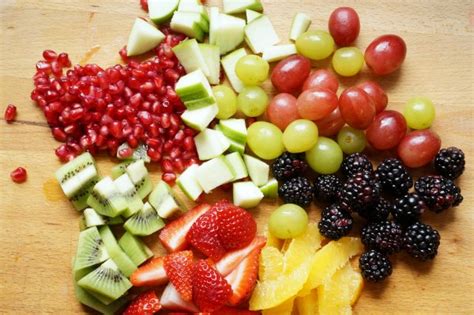
Fruit Scraps: Sweet Surprises
Apple cores, berry stems, and citrus peels often go overlooked. Apple cores and peels can be boiled with a bit of water and sugar to make a simple apple sauce or jelly. Citrus peels are fantastic for infusing oils, vinegars, or making candied peels. Even bruised fruit can be cooked down into compotes, jams, or used in smoothies and baked goods.
Essential Techniques for Scrap Transformation
Mastering a few key techniques will empower your no-waste kitchen:
- Stock & Broth Making: This is arguably the most impactful skill. A pot of simmering scraps transforms into a deeply flavorful liquid that forms the base of countless dishes.
- Freezing: Your freezer is your best friend. Keep labeled bags or containers for different scrap types. This allows you to accumulate enough for a batch recipe.
- Fermentation: Consider lacto-fermenting some vegetable scraps to create delicious, probiotic-rich condiments like kraut or pickles.
- Repurposing: Always think creatively about how a scrap can be integrated. Could those carrot tops be pesto? Could the tough outer cabbage leaves be used to wrap a filling?

Wholesome Country Meal Ideas from Your Scraps
- The Everything Frittata/Omelet: Whisk eggs with any small bits of leftover cooked vegetables, cheese ends, and diced meat scraps.
- Hearty Scrap Soup: Start with your homemade scrap broth, add leftover roasted vegetables, cooked grains, and any small pieces of meat.
- Rustic Bread Puddings: Use stale bread, any extra milk or cream, and bruised fruit or fruit scraps for a sweet or savory dish.
- Root-to-Stem Roasted Vegetables: Roast carrot peels, broccoli stalks, and potato skins alongside whole vegetables for a textural, flavorful side.
- Gravy from Drippings: Turn pan drippings from roasted meats into a rich gravy, thickened with a little flour and your homemade broth.
Embrace the Scrap: A Sustainable & Flavorful Journey
Transitioning to a no-waste kitchen is a journey, not a destination. Start small, perhaps by committing to making one batch of scrap broth a month. As you become more comfortable, you’ll find joy in the creativity and resourcefulness it fosters. Not only will you discover incredible new flavors, but you’ll also nurture a deeper connection to your food and a more sustainable way of living, truly embodying the spirit of wholesome country cooking.