


DIY root cellar tips for storing garden harvest without electricity?
Embrace Off-Grid Food Preservation with a DIY Root Cellar
As gardeners, we often face the delightful challenge of an abundant harvest. While canning, freezing, and dehydrating are popular preservation methods, they often rely on electricity. What if there was a simple, ancient, and energy-free way to store your produce for months? Enter the root cellar. A well-designed root cellar provides a naturally cool, dark, and humid environment, mimicking the conditions that allow many root vegetables, fruits, and even some leafy greens to remain fresh for extended periods without refrigeration.
Building a DIY root cellar is a rewarding project that reconnects you with traditional food storage methods, reduces your reliance on electricity, and extends the enjoyment of your garden’s bounty well into the colder months. It’s an investment in self-sufficiency and a testament to clever, sustainable living.

Understanding the Core Principles of Root Cellaring
The success of any root cellar hinges on three critical environmental factors: temperature, humidity, and ventilation. Ideal conditions vary slightly by crop but generally aim for:
- Temperature: Consistently cool, typically between 35-50°F (2-10°C). This slows down respiration and spoilage. Below freezing can damage most produce, while too warm accelerates ripening and decay.
- Humidity: High humidity, around 85-95%, prevents produce from drying out and shriveling. This is crucial for root vegetables and apples.
- Ventilation: Gentle air circulation is necessary to prevent the buildup of ethylene gas (released by ripening fruits, which can spoil other produce) and to inhibit mold growth. It also helps regulate temperature and humidity.
Selecting the Ideal Location for Your Root Cellar
Choosing the right spot is paramount for passive cooling and humidity control. Look for:
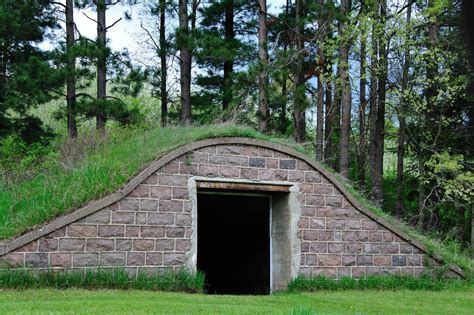
- Naturally Cool Spots: An existing unheated basement corner, a shed that can be insulated and partially buried, or a north-facing hillside are excellent candidates.
- Shade and Drainage: A location that receives minimal direct sunlight will stay cooler. Good drainage is also vital to prevent water accumulation and excessive dampness, which can lead to mold and rot. Avoid areas prone to flooding.
- Accessibility: Consider how easily you can access your cellar in all seasons, especially during winter when you’ll be retrieving produce.
Simple DIY Root Cellar Designs for Every Budget
You don’t need a massive excavation project to build an effective root cellar. Here are a few accessible ideas:
- Buried Trash Can/Bin: Dig a hole deep enough for a large, food-grade plastic trash can or sturdy bin. Place 6-8 inches of gravel at the bottom for drainage. Install a small vent pipe extending above ground and another near the bottom. Surround the bin with straw for insulation, and cover it with a thick layer of soil, straw, or an insulated lid.
- Earth Pit/Mound: For a very basic solution, dig a pit (2-3 feet deep), line it with straw, place your produce (e.g., potatoes, carrots in sand), cover with more straw, and then mound soil over the top. Add a small vent pipe.
- Modified Basement Corner: If you have an unheated basement, you can partition off a corner with insulated walls, install a separate door, and ensure passive ventilation by adding vents to the outside.
- Insulated Shed/Outbuilding: A small shed can be converted by heavily insulating the walls, ceiling, and floor, burying parts of the foundation, and adding proper ventilation and drainage.

Essential Construction Tips for Your No-Power Cellar
Regardless of the design, certain elements are crucial for optimal performance:
- Insulation: Natural insulators like straw, sawdust, sand, wood chips, or even packed earth are excellent for maintaining stable temperatures. For more permanent structures, consider rigid foam insulation.
- Ventilation: Install at least two vents: an intake pipe near the floor (to draw in cool, dense air) and an exhaust pipe near the ceiling (to allow warmer, stale air to escape). Screen both ends to keep out pests.
- Drainage: A layer of gravel or sand at the bottom of your cellar or pit will help manage any moisture and prevent standing water. Ensure the cellar floor is slightly sloped towards a drain or the outside if possible.
- Shelving and Storage: Use sturdy, slatted wooden shelves or plastic crates that allow for air circulation around your produce. Avoid direct contact with the ground.

Optimizing Storage for Various Garden Crops
Different crops have slightly different storage needs and preparation methods:
- Root Vegetables (Carrots, Beets, Potatoes, Turnips): Store in damp sand, sawdust, or peat moss to maintain humidity. Brush off excess soil but don’t wash. Cure potatoes and sweet potatoes for a week or two in a warm, humid place before storing.
- Apples and Pears: Store individually wrapped in newspaper to prevent them from affecting other produce. They release ethylene, which can ripen other fruits and vegetables prematurely.
- Cabbage and Celery: Can be stored with roots intact, planted upright in damp sand, or wrapped in newspaper.
- Onions and Garlic: Prefer slightly drier conditions (around 60-70% humidity) than root vegetables. Store in mesh bags or braids where air can circulate.
- Pumpkins and Winter Squash: Store at slightly warmer temperatures (50-55°F / 10-13°C) and moderate humidity (50-70%). Cure them in a warm, sunny spot for a week or two after harvest.

Maintenance and Monitoring for Long-Term Success
Your root cellar isn’t a set-it-and-forget-it solution, but it requires minimal maintenance:
- Monitor Conditions: Periodically check the temperature and humidity with a thermometer and hygrometer. Adjust ventilation if needed.
- Inspect Produce: Regularly check your stored items and remove any that show signs of spoilage. One bad apple can indeed spoil the bunch.
- Clean Annually: After emptying your cellar each spring, clean and sanitize it to prevent pathogen buildup for the next season.
Conclusion: Harvest Abundance, Sustainably Stored
Building a DIY root cellar is a fantastic way to extend your garden’s generosity without relying on modern utilities. It’s an empowering project that connects you to time-honored practices, reduces waste, and enhances your food security. With careful planning and a little effort, you can enjoy fresh, homegrown produce long after the first frost, embracing a more sustainable and self-sufficient lifestyle.