

Easy ways to preserve summer garden bounty without a canner?
As summer peaks, so does the abundance in our gardens. Lush tomatoes, vibrant berries, crisp cucumbers, and fragrant herbs flood our senses and our countertops. While the harvest is a joy, the thought of letting any go to waste can be daunting, especially if you don’t own a traditional pressure canner or water bath canner. Fear not! There are numerous simple and effective ways to preserve your garden’s bounty using common kitchen tools, ensuring you can savor the taste of summer long after the season ends.
Freezing Your Fresh Harvest
Freezing is arguably one of the easiest and most versatile preservation methods. Most fruits and vegetables freeze beautifully, maintaining much of their flavor and nutritional value. For many vegetables, a quick blanching in boiling water followed by an ice bath helps preserve color, texture, and nutrients. Berries, chopped peppers, corn kernels, and peas can often be frozen raw, spread out on a baking sheet before transferring to freezer bags to prevent clumping. Herbs can be finely chopped and frozen in ice cube trays with a little water or oil, ready to be dropped into soups and stews.

Dehydrating for Shelf-Stable Goodness
Dehydration removes moisture, stopping spoilage and concentrating flavors, resulting in lightweight, shelf-stable ingredients. A food dehydrator is ideal, but you can also use your oven on its lowest setting with the door ajar, or even air dry in warm, low-humidity environments. Thinly sliced fruits like apples, berries, and peaches make fantastic snacks. Vegetables such as tomatoes, zucchini, and peppers can be rehydrated for cooking. Herbs dry wonderfully, becoming potent additions to your spice rack. Think about making your own tomato powder from dried tomatoes for a burst of umami!
The Art of Fermentation
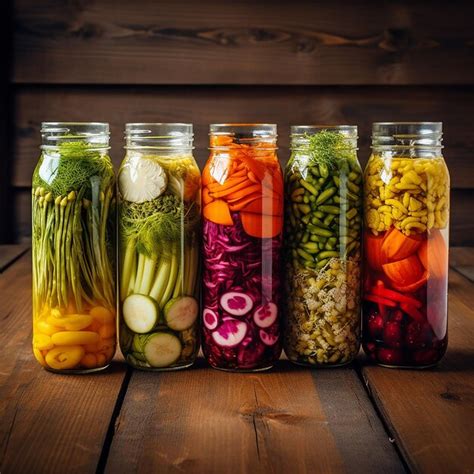
Fermentation is an ancient and fascinating method that uses beneficial bacteria to preserve food while enhancing its flavor and nutritional profile. It requires very little specialized equipment – often just jars, salt, and your produce. Sauerkraut from cabbage, brined carrots, or quick lacto-fermented pickles are excellent starting points. The process is surprisingly simple: submerge vegetables in a saltwater brine, seal them in a jar (allowing for gas release), and let beneficial microbes do the work. The tangy, complex flavors are a delightful reward.
Quick Refrigerator Pickles and Jams
If you love the taste of pickles and preserves but shy away from canning, refrigerator methods are your answer. Refrigerator pickles involve submerging vegetables (cucumbers, beans, carrots) in a vinegar-based brine and storing them in the fridge. They typically last for several weeks and offer a crisp, tangy crunch. Similarly, small-batch refrigerator jams or freezer jams don’t require water bath processing. Cook fruit with sugar and pectin (optional), then store in clean jars in the refrigerator for a few weeks or freeze for longer storage. These are perfect for enjoying fresh, vibrant fruit spreads without the fuss.
Infusing Oils and Vinegars
For a unique way to preserve the essence of your herbs and some vegetables, consider making infused oils and vinegars. Rosemary, thyme, oregano, garlic, or even chili peppers can be steeped in good quality olive oil or vinegar. These make wonderful additions to dressings, marinades, or as a finishing drizzle for dishes. Always remember to use clean, sterilized bottles and store infused oils in the refrigerator to prevent spoilage and potential bacterial growth (especially with garlic), using them within a few weeks. Infused vinegars are generally more shelf-stable due to their acidity.
Embracing these canner-free preservation methods opens up a world of possibilities for extending the life of your summer garden bounty. Whether you choose to freeze, dehydrate, ferment, or make quick preserves, you’ll be able to enjoy the flavors of your hard work throughout the year, proving that preserving isn’t just for seasoned canners. Experiment, have fun, and savor every delicious bite!