



How to effectively preserve garden surplus for winter without refrigeration?
Embracing Traditional Methods for Winter Food Storage
As summer fades and autumn leaves begin to fall, many gardeners find themselves with an abundant harvest that needs to be preserved. While modern refrigeration and freezers offer convenience, relying solely on them can be limiting, especially for those seeking greater self-sufficiency or living off-grid. Fortunately, countless traditional methods exist to extend the life of your garden surplus well into winter, all without a single watt of electricity.
These time-honored techniques not only save energy but also often enhance the flavor and nutritional value of your produce. From cool, dark cellars to the magic of microbial transformation, preparing your harvest for the colder months can be a deeply rewarding aspect of country living.
Root Cellaring and Cold Storage
One of the most effective and oldest forms of preservation is root cellaring or cold storage. This method relies on maintaining a consistently cool (just above freezing) and humid environment, ideal for many root crops and some fruits. A dedicated root cellar can be an underground structure, but even a cool, dark corner of a basement, a buried barrel, or an unheated shed can serve the purpose.
Before storing, ensure your produce is free from blemishes and dirt. Potatoes, carrots, beets, parsnips, and turnips thrive in cool, damp conditions, often stored in layers of damp sand, sawdust, or peat moss to prevent moisture loss. Apples, pears, and cabbages also store well, though they benefit from being kept separate from root vegetables as they can emit ethylene gas, which may affect other produce.
Drying and Dehydration Techniques
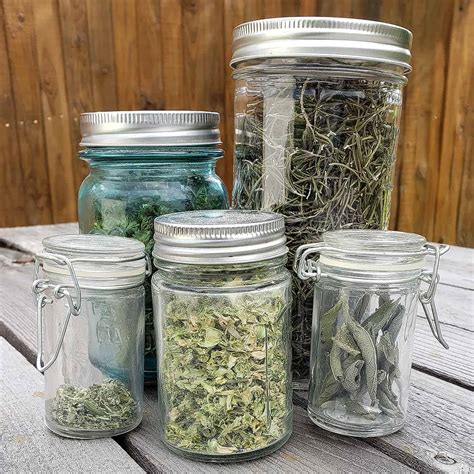
Drying is a simple yet powerful preservation method that removes moisture, inhibiting spoilage. This technique works wonders for herbs, fruits, and even some vegetables. Sun-drying is the most traditional approach, requiring consistent sunshine and low humidity. Thinly sliced fruits like apples, peaches, and plums, along with tomatoes and various herbs, are excellent candidates.
For areas with less reliable sun, air drying in a well-ventilated space is perfect for herbs, peppers, and beans. Creating bunches of herbs and hanging them upside down or stringing beans to dry are classic examples. While an electric dehydrator offers speed and control, understanding the principles of air and sun drying provides valuable resilience.
Fermentation: A Living Preservation Method
Fermentation is a transformative process where beneficial microorganisms convert sugars into acids, gases, or alcohol, creating a stable, nutrient-rich, and incredibly flavorful product. This method is incredibly versatile and requires no refrigeration for storage once properly fermented and sealed.
Sauerkraut (fermented cabbage), kimchi, and various lacto-fermented pickles (cucumbers, carrots, green beans) are prime examples. The key is using clean produce, a brine solution (salt and water), and an anaerobic environment to encourage the right kind of microbial growth. Beyond vegetables, kombucha (fermented tea) and sourdough starters also showcase the power of fermentation in your kitchen.

Curing and Salt Preservation
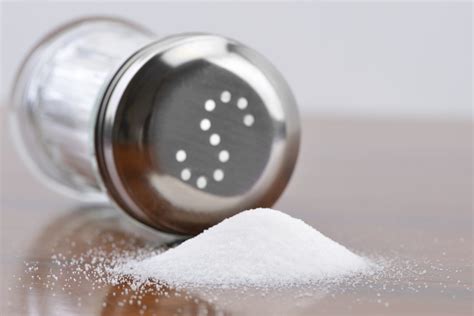
Salt has been a cornerstone of food preservation for millennia, acting as a powerful desiccant and antimicrobial agent. While often associated with meats, salt can also be used to preserve certain vegetables and even herbs. Salt-curing green beans, for example, involves layering beans with salt in a crock or jar, which draws out moisture and creates an anaerobic environment, similar to fermentation but relying purely on salt.
This method results in very salty produce that needs to be thoroughly rinsed before consumption but offers an extremely long shelf life. Herbs can also be layered with salt, creating flavorful, preserved ingredients for winter cooking, though they will lose their fresh texture.
Long-Term Storage for Specific Crops
Certain crops have natural long-term storage capabilities when properly handled. Winter squash and pumpkins, for instance, benefit from a curing period in a warm, sunny spot for a week or two after harvest, which hardens their skins. After curing, they can be stored in a cool, dry place (like a pantry shelf or basement) for several months.
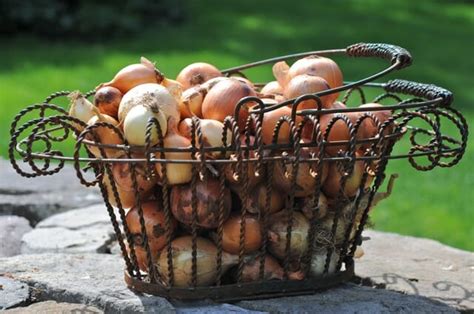
Onions and garlic also require proper curing after harvest – allowing them to dry thoroughly in a warm, airy spot for a few weeks until their outer skins are papery. Once cured, they can be braided or netted and hung in a cool, dry, well-ventilated area, where they will last for many months without refrigeration.

Conclusion
Preserving your garden surplus without refrigeration is more than just a practical skill; it’s a reconnection with age-old wisdom and a step towards greater self-sufficiency. By employing methods like root cellaring, drying, and fermentation, you can enjoy the fruits (and vegetables) of your labor long after the growing season has ended. Experiment with different techniques, find what works best for your specific climate and produce, and savor the rich flavors of your preserved harvest throughout the winter months.