



Practical ways to get kids involved in real food prep & country living chores?

In an increasingly digital world, connecting children with the origins of their food and the rhythms of rural life offers invaluable lessons in responsibility, practical skills, and appreciation for nature. Getting kids involved in real food preparation and country living chores isn’t just about lightening your load; it’s about nurturing capable, resilient, and grounded individuals. From tiny tots to teenagers, there are countless age-appropriate ways to make these activities engaging and educational.
Cultivating Culinary Confidence in the Kitchen
The kitchen is a fantastic classroom. Start early by involving even the youngest children in simple, safe tasks. Toddlers can wash fruits and vegetables in a bowl of water, tear lettuce for salads, or stir ingredients with a large spoon. As they grow, progress to measuring dry ingredients, cracking eggs (with supervision), and kneading dough.

Older children can take on more complex roles: chopping vegetables with appropriate knives (teaching proper technique is key), following simple recipes from start to finish, or even planning an “entire meal.” Make it a game: “mystery ingredient” challenges, blind taste tests, or letting them choose a new recipe to try each week. This fosters creativity, builds confidence, and ensures they develop essential life skills.
Beyond the actual cooking, involve them in meal planning and grocery list creation. Discuss where food comes from, why certain ingredients are chosen, and the concept of balanced nutrition. When children understand the entire process, they’re more likely to try new foods and appreciate the effort that goes into preparing meals.
Embracing the Rhythms of Rural Chores
Country living offers a wealth of opportunities for hands-on learning, connecting children directly to the land and its creatures. These chores build a strong work ethic, physical coordination, and a deep respect for the natural world.
Gardening: From Seed to Supper
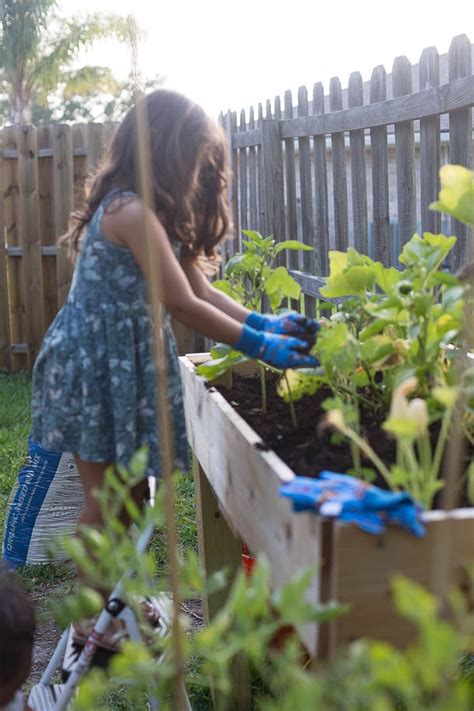
Even a small patch of garden can become a family project. Let kids choose what to plant, give them their own small tools, and assign them specific responsibilities like watering designated plants or weeding a particular row. They can help prepare the soil, plant seeds or seedlings, and experience the wonder of watching something grow from nothing. Harvesting is a particular joy for children, seeing the tangible results of their efforts. They’ll be much more enthusiastic about eating vegetables they helped grow!
Animal Care: Nurturing Responsibility
If you have farm animals, involving children in their care teaches empathy, routine, and the cycle of life. Simple tasks like feeding chickens, collecting eggs, refilling water troughs, or helping to brush a goat or horse are perfect starting points. Older children can learn about animal health, help with mucking stalls, or assist in moving animals. These experiences teach valuable lessons about consistency, observation, and the interdependence of living things.
Homestead Maintenance: Keeping Things Tidy
Beyond the garden and animals, there are countless other chores. Gathering firewood, raking leaves, sweeping the barn, or helping with minor repairs (under supervision) are all ways children can contribute. These tasks teach practical skills and the importance of maintaining their environment. Turn these chores into games or races, or play music while working to make them more enjoyable.
Tips for Successful Involvement
- Start Small & Be Patient: Introduce tasks gradually and don’t expect perfection. Focus on participation over flawless execution.
- Make it Fun: Play music, tell stories, turn chores into games, or offer small rewards (not necessarily monetary) for a job well done.
- Be a Role Model: Kids learn by watching. Show enthusiasm for your own tasks and work alongside them.
- Explain the ‘Why’: Help them understand the purpose of each chore. “We feed the chickens so they lay eggs for breakfast,” or “We weed the garden so our vegetables have room to grow.”
- Praise Effort, Not Just Results: Acknowledge their hard work and willingness to help, even if the outcome isn’t perfect.
- Age-Appropriate Tasks: Ensure tasks are challenging but achievable for their developmental stage.
- Safety First: Always supervise, especially with sharp tools, hot stoves, or around larger animals.

Involving children in real food prep and country living chores is more than just delegating tasks; it’s an investment in their development. It builds character, teaches essential life skills, fosters a connection to the natural world, and strengthens family bonds. These shared experiences create lasting memories and equip children with an invaluable foundation for a self-sufficient and responsible future.