
How do you make real food prep BTS engaging without looking chaotic?

The Challenge of Authenticity in Food Prep BTS
Showing the authentic, often messy, reality of food preparation behind the scenes (BTS) can be a goldmine for engagement. Audiences love transparency and the ‘real’ story. However, the line between authentic and chaotic is thin, especially when dealing with multiple ingredients, hot stoves, and tight deadlines. The goal is to demystify the process without making it look like a disaster zone. Here’s how to craft compelling food prep BTS that is both engaging and organized.
Strategic Planning: The Foundation of Order
Chaos rarely happens by accident, but neither does order. The secret to a smooth BTS food prep shoot lies in meticulous planning before the cameras even roll.
Mise en Place, Elevated
Beyond just having all ingredients prepped, consider how they will be presented. Will they be in aesthetic bowls? Labeled clearly? A well-organized prep station is the first visual cue of a controlled environment. Think about the flow of ingredients from raw to cooked, ensuring easy access and minimal clutter.
The Shot List: Your Visual Roadmap
A detailed shot list isn’t just for the final product; it’s crucial for BTS. Identify key moments: a close-up of chopping, a unique stirring technique, the satisfaction of a perfect sear. Knowing what you want to capture helps you focus, reducing wasted shots and minimizing the appearance of aimless wandering.
Visual Storytelling: Crafting a Compelling Narrative
Even a chaotic kitchen can be made engaging through smart camerawork and storytelling. It’s about directing the viewer’s eye and creating a sense of progression.
Dynamic Camera Angles and Movement
Static shots of a messy counter are dull. Use a variety of angles: overhead shots for organization, close-ups for detail, and tracking shots to follow ingredients. Handheld cameras can add a raw, energetic feel without being shaky if used intentionally. Focus on the action, not the mess around it.
The Power of Time-Lapses and B-Roll
Time-lapses are perfect for condensing long, repetitive tasks like chopping vegetables or a slow simmer, instantly transforming potential boredom into dynamic content. Similarly, B-roll footage (e.g., steam rising, a chef smiling, bubbling sauce) can be strategically inserted to cover messy transitions or provide visual breaks, maintaining engagement.
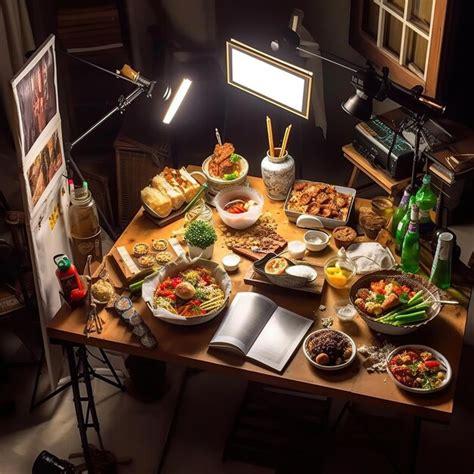
Managing the Mess: Practical Tips for a Tidy Set
While some mess is inevitable and even desirable for authenticity, uncontrolled clutter screams unprofessionalism. Implement strategies to manage it in real-time.
Designated Prep and Waste Zones
Have specific areas for clean prep, dirty dishes, and compost/trash. This minimizes cross-contamination and makes clean-up efficient. A ‘reset’ button approach, where surfaces are cleared between major steps, can visually segment the process and make it look more organized.
Constant Cleaning and Decluttering
It’s not about hiding the mess, but managing it. Assign someone (or take turns) to wipe down surfaces, put away unused tools, and clear discarded scraps frequently. This keeps the visible areas tidy and prevents the accumulation of overwhelming clutter that distracts from the main action.
The Human Element: Connecting with Your Audience
The human touch is what truly elevates BTS content, turning technical processes into relatable stories.
Showcasing the Chef’s Personality
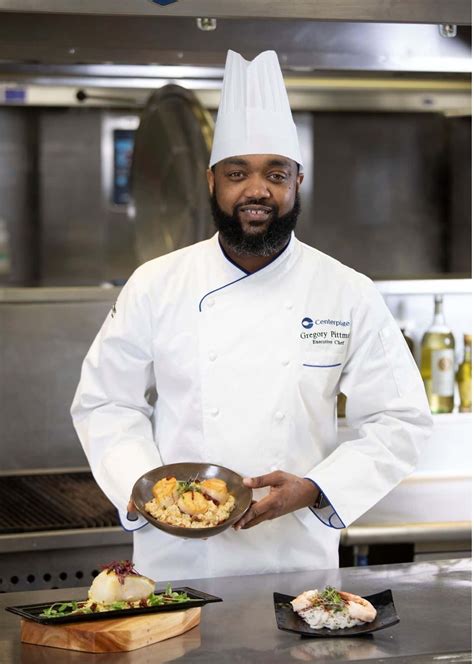
Let the chef or cook’s personality shine through. Their passion, struggles, triumphs, and even their quirky habits make the content relatable. Authentic reactions to spills, successes, or even just the joy of cooking create a genuine connection.
Authentic Reactions and Interactions
Encourage natural conversation among the crew or self-commentary from the chef. Audiences want to feel like they’re part of the team, witnessing the behind-the-scenes camaraderie and the real challenges faced during food preparation.
Post-Production Magic: Polishing the Raw Footage
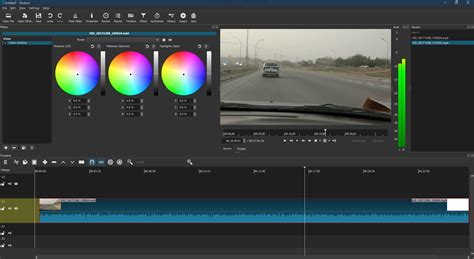
Even with excellent on-set practices, post-production is where the magic truly happens, transforming raw footage into a polished, engaging narrative.
Pacing and Flow
Edit ruthlessly. Cut out dead air, repetitive actions (unless used in a time-lapse), and moments where nothing significant is happening. A fast, dynamic pace keeps viewers engaged. Use transitions to smooth over any visual bumps or messy moments you couldn’t avoid on set.
Sound Design and Music
A great soundtrack can dramatically enhance the mood and energy. Use upbeat music for fast-paced segments and more relaxed tones for reflective moments. Don’t underestimate sound effects – the sizzle of oil, the chop of a knife, the clinking of dishes – these add realism and immersion. Use audio to direct attention and mask unwanted background noise.
Conclusion: Embrace Authenticity with Intent
Making real food prep BTS engaging without looking chaotic is about intentionality. It’s about embracing the authenticity of the process while employing strategic planning, smart visual storytelling, proactive set management, a focus on human connection, and clever post-production. By combining these elements, you can create compelling content that not only entertains but also educates and inspires, showcasing the art behind the culinary craft without any overwhelming visual clutter.