




What’s the best homemade recipe for organic garden fertilizer?

Nourishing your garden doesn’t require expensive, chemical-laden products. With a few common household items and a little effort, you can create powerful organic fertilizers that enhance soil health, boost plant growth, and contribute to a more sustainable environment. Making your own fertilizers is not only cost-effective but also ensures you know exactly what’s going into your soil and feeding your beloved plants.
The Case for Homemade Organic Fertilizers
Opting for homemade organic fertilizers brings a multitude of benefits. Firstly, they’re environmentally friendly, reducing your reliance on synthetic chemicals that can harm beneficial insects, soil microbes, and local water sources. Secondly, they’re often slow-release, providing a steady supply of nutrients to your plants over time, rather than a sudden surge that can lead to nutrient burn. Lastly, they enrich the soil structure, fostering a vibrant ecosystem beneath the surface that supports strong, resilient plants.

Essential Ingredients You Already Have
Many of the best ingredients for organic garden fertilizers are likely already in your kitchen or backyard. From fruit peels to coffee grounds, these everyday items can be transformed into potent plant food.
1. Nutrient-Rich Compost Tea
Compost tea is essentially a liquid extract of compost, brimming with beneficial microorganisms and soluble nutrients. It’s a fantastic all-purpose fertilizer that can be watered directly into the soil or used as a foliar spray.
- How to Make: Fill a porous bag (like a burlap sack or old pillowcase) with mature compost. Suspend the bag in a bucket of dechlorinated water (leave tap water out for 24 hours to dissipate chlorine). Let it steep for 2-3 days, stirring occasionally.
- How to Use: Dilute the dark brown liquid with water until it resembles weak iced tea. Apply directly to the soil around plants or spray on leaves in the early morning or late evening.
2. The Magic of Banana Peels
Banana peels are a fantastic source of potassium, crucial for flowering and fruiting plants. They also provide phosphorus, calcium, and magnesium.
- How to Make: Chop fresh banana peels into small pieces and bury them directly into the soil around the base of plants. As they decompose, they’ll release their nutrients. Alternatively, dry the peels in the sun or oven until brittle, then grind them into a powder to sprinkle around plants.
- How to Use: Bury chopped peels a few inches deep to deter pests and ensure nutrients reach the roots. For a quick liquid feed, soak chopped peels in water for a few days, then use the infused water.

3. Coffee Grounds for Acid Lovers
Used coffee grounds are a mild source of nitrogen, which promotes lush green growth. They also improve soil structure and can help slightly acidify the soil, making them perfect for acid-loving plants like blueberries, azaleas, hydrangeas, and roses.
- How to Make & Use: Simply sprinkle a thin layer of used coffee grounds directly onto the soil surface around appropriate plants. You can also mix them into your compost pile to enrich its nitrogen content.
4. Calcium Boost with Eggshells
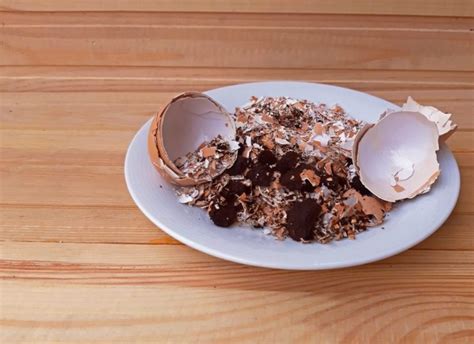
Eggshells are almost pure calcium carbonate, essential for strong cell walls in plants and preventing issues like blossom end rot in tomatoes and peppers.
- How to Make: Rinse eggshells thoroughly and allow them to dry. Crush them into a fine powder using a blender or mortar and pestle. For faster breakdown, you can bake them at 200°F (93°C) for 10-15 minutes before crushing.
- How to Use: Sprinkle the powdered eggshells around the base of plants or work them into the soil during planting.
5. Epsom Salt for a Green Boost
While not a traditional plant food, Epsom salt (magnesium sulfate) provides magnesium and sulfur, two vital secondary nutrients. Magnesium is crucial for photosynthesis, giving plants a vibrant green color, while sulfur aids in vitamin production and disease resistance.
- How to Make & Use: Dissolve 1 tablespoon of Epsom salt in 1 gallon of water. Use this solution to water plants every 2-4 weeks, or as a foliar spray for plants showing signs of magnesium deficiency (yellowing leaves between green veins).
General Application Tips for Success
- Don’t Overdo It: Even organic fertilizers can cause issues if applied in excess. Start with smaller amounts and observe your plants’ reactions.
- Water In: After applying dry fertilizers, water them into the soil to help nutrients reach the roots.
- Observe Your Plants: The best indicator of your fertilizer’s effectiveness is your plants themselves. Healthy growth, vibrant foliage, and abundant blooms are all good signs.
- Rotate & Combine: Different plants have different needs, and a combination of various homemade fertilizers can provide a balanced diet.
Final Thoughts for a Thriving Garden
Creating your own organic garden fertilizers is a rewarding practice that connects you more deeply with your garden and promotes environmental stewardship. By repurposing kitchen scraps and simple ingredients, you’re not just feeding your plants; you’re nurturing the entire ecosystem of your garden, leading to healthier soil, more robust plants, and a more sustainable lifestyle. Experiment with these recipes, observe your results, and enjoy the bounty of your organically nourished garden!