


Best tips for preventing mushy home-canned green beans?

The Quest for Crisp: Avoiding Mushy Home-Canned Green Beans
There’s nothing quite as satisfying as opening a jar of home-canned green beans, ready to be enjoyed as a side dish or in a casserole. However, the experience can quickly turn disappointing if those beans emerge from the jar as a limp, mushy mess. Achieving that desirable crisp-tender texture is a common goal for home canners, and fortunately, it’s entirely attainable with the right techniques. Let’s dive into the best practices to ensure your efforts result in perfectly preserved, non-mushy green beans every time.
Start with Superior Beans
The journey to crisp canned green beans begins long before they hit the canner. The quality and freshness of your raw ingredients are paramount. Always select young, tender, and firm green beans. Avoid any beans that are bruised, limp, discolored, or showing signs of age like bulging seeds. Older, tougher beans tend to break down more during the canning process, leading to a mushy texture. If possible, pick beans from your garden or source them from a local farmer’s market on the day you plan to can.
Some varieties of green beans hold up better to canning than others. Bush beans like ‘Blue Lake’ and ‘Provider’ are popular choices known for maintaining good texture. Pole beans can also work well, provided they are harvested at their prime tenderness.
Prepare Them Just Right
Proper Washing and Trimming
Thoroughly wash your green beans under cool running water, then snap off the ends. You can leave them whole, snap them into 1-inch pieces, or cut them into 1 to 1.5-inch segments, depending on your preference. Smaller pieces might seem to cook faster, but they also have more surface area exposed and can become mushier if over-processed.
Raw Pack vs. Hot Pack
This is a crucial decision for texture. While both methods are safe, they yield different results:
- Raw Pack: Beans are packed raw into jars, then boiling water is added. This method often results in a better texture because the beans cook less initially. However, raw-packed beans tend to shrink more during processing, so jars may appear less full.
- Hot Pack: Beans are blanched (boiled briefly for 5 minutes) before being packed into hot jars with the hot blanching liquid or fresh boiling water. Hot packing helps remove air and prevents excessive shrinkage in the jar, but the initial blanching can soften beans slightly. For optimum crispness, many canners prefer the raw pack method for green beans.
Mind Your Headspace and Don’t Overpack
When packing beans into your jars, whether raw or hot, ensure you leave adequate headspace – typically 1 inch for green beans. Overfilling jars can lead to inadequate processing and seal failures. Conversely, leaving too much headspace can sometimes cause discoloration at the top of the jar, although it’s less likely to impact texture directly. Don’t try to cram too many beans into the jar; this can also hinder heat penetration and result in uneven processing.

The Golden Rule: Accurate Pressure Canning
Green beans are a low-acid food and must be pressure canned. Water bath canning is not safe for green beans. The single biggest culprit for mushy home-canned green beans is over-processing. Every recipe specifies a precise processing time and pressure (PSI) based on jar size and altitude. Adhering strictly to these guidelines is non-negotiable for both safety and quality.
- Follow Tested Recipes: Always use up-to-date, tested canning recipes from reliable sources like the National Center for Home Food Preservation (NCHFP), university extension offices, or reputable canning guides.
- Calibrate Your Gauge: Ensure your pressure canner’s gauge is accurate. Have dial gauges tested annually. Weighted gauges are generally more reliable as they don’t require calibration.
- Adjust for Altitude: If you live at an altitude above 1,000 feet, you must increase the pressure accordingly. Failure to do so will result in under-processed food, which is a safety risk.
- Maintain Steady Pressure: Once the canner reaches the target pressure, maintain it as steadily as possible. Fluctuations can lead to liquid loss from jars and impact texture.
- Do NOT Over-Process: Resist the urge to add extra time “just to be safe.” Excess heat is the primary cause of mushy vegetables. Trust the tested times.
Cool Down Safely and Naturally
Once the processing time is complete, turn off the heat and allow the pressure canner to depressurize naturally. Do NOT force-cool the canner by running cold water over it or opening the vent. Rapid temperature changes can cause liquid loss from jars, weaken seals, and most importantly for our goal, shock the beans, potentially making them mushier.
Once the canner has fully depressurized (the gauge reads zero, or the vent lock drops), wait another 10 minutes before carefully removing the lid. Remove jars using a jar lifter and place them on a towel-lined counter or wire rack, ensuring they are not touching each other. Let them cool undisturbed for 12-24 hours. Do not tighten rings or check seals until the jars are completely cool.
Conclusion: Crispness is Within Reach
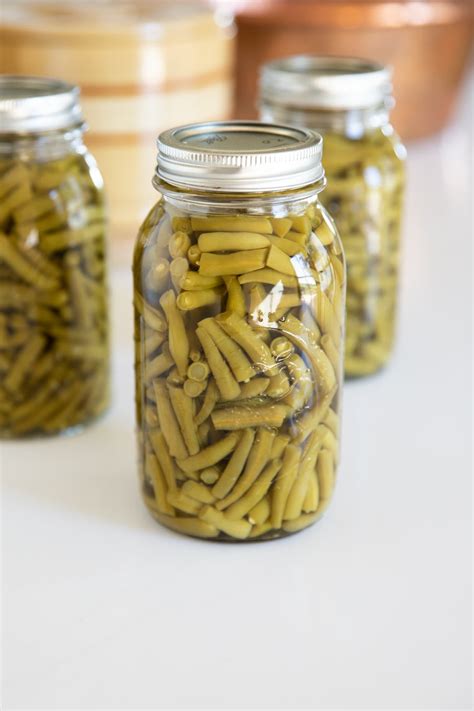
Preventing mushy home-canned green beans boils down to a few critical steps: selecting the freshest, youngest beans, preparing them thoughtfully (many prefer raw pack), ensuring proper headspace, and most importantly, strictly adhering to tested pressure canning times and pressures. By mastering these techniques, you’ll be well on your way to enjoying jars of perfectly crisp-tender green beans that taste as good as they look. Happy canning!